Ingredient guide
High-Fructose Corn Syrup (HFCS) in Kids' Food
High-fructose corn syrup is an added sugar made by converting some of the glucose in corn syrup to fructose. FDA treats the two food grades, HFCS 42 (42% fructose) and HFCS 55 (55% fructose), as similar in safety to sucrose. A 2022 meta-analysis of 33 trials found no significant metabolic difference between HFCS and sucrose for weight, blood lipids, or blood pressure. Count the Added Sugars grams. The AHA ceiling is 25 g per day for ages 2 to 18 and 0 g under age 2. Those limits apply whether the sweetener is HFCS, cane sugar, or honey.
Reviewed September 2026
Added sugar, same limit as cane sugar
AHA counts every added-sugar gram the same way. A 2022 meta-analysis found no metabolic difference versus sucrose. Read the Added Sugars line.
Also listed as: HFCS, high fructose syrup, high-fructose corn syrup, HFCS 42, HFCS 55, glucose-fructose syrup
What high-fructose corn syrup is
High-fructose corn syrup (HFCS) is a liquid sweetener made from corn starch. Enzymes break the starch into glucose, then a second enzyme, glucose isomerase, converts part of that glucose into fructose. FDA names the common food grades HFCS 42 and HFCS 55 after the approximate fructose share on a dry-weight basis.
The word "high" compares HFCS with regular corn syrup, which is almost all glucose. It does not mean the syrup is mostly fructose.
Table sugar (sucrose) is an even 50/50 split of glucose and fructose locked in one molecule. HFCS 42 sits below that fructose share. HFCS 55 sits slightly above it. Once sucrose hits stomach acid and gut enzymes, the bond opens and the two sugars travel the same metabolic paths. The fructose difference between HFCS 55 and table sugar is about 5 percentage points, not a category gap.
On a kids pack, HFCS is an added sugar. The Added Sugars grams on the Nutrition Facts panel already include it, and those grams count toward the same AHA child ceiling as cane sugar, honey, or brown rice syrup.
HFCS 42, HFCS 55, and the regulation
21 CFR 184.1866 defines HFCS as a sweet, nutritive saccharide mixture containing approximately 42 or 55 percent fructose. It is prepared as a clear aqueous solution from a high dextrose-equivalent corn starch hydrolysate by conversion with an insoluble glucose isomerase enzyme. The grade above 50 percent fructose is made by concentrating the fructose portion of a lower-fructose mix.
HFCS 42 goes mainly into processed foods, cereals, baked goods, and some beverages. HFCS 55 goes primarily into soft drinks.
The regulation allows HFCS in food "with no limitation other than current good manufacturing practice." That is a factory rule, not a child intake target. Kids packs almost never print "HFCS 42" or "HFCS 55." Parents see "high fructose corn syrup," "high-fructose corn syrup," or, on some imported packs, "glucose-fructose syrup."
Corn syrup
HFCS 42
Sucrose (table sugar)
HFCS 55
How common caloric sweeteners compare on a kids label
| Sweetener | What it is | Fructose share | Added sugar on the US label |
|---|---|---|---|
| HFCS 42 | Corn-starch glucose partly converted to fructose | About 42% (dry weight) | Yes |
| HFCS 55 | Same process, fructose portion concentrated | About 55% (dry weight) | Yes |
| Sucrose (cane or beet sugar) | Glucose bound to fructose, then split in the gut | 50% | Yes |
| Corn syrup | Almost all glucose; not isomerized | Near 0% | Yes |
| Honey | Free glucose and fructose in nectar | About 1 to 1 | Yes, when added |
| Sugar in intact fruit or plain milk | Fructose in fruit, lactose in milk | Varies | No |
How to use this page in the snack aisle
Start with the Nutrition Facts Added Sugars line. Write grams per serving and how many servings the child will eat. Then read the ingredient list for HFCS and other syrups so you know what is driving those grams.
FDA treats 5% Daily Value or less as a low source and 20% or more as high. The Daily Value is 50 grams on a 2,000 calorie adult reference diet, so a "high" stamp of 20% DV is 10 grams, already 40% of the AHA 25 gram ceiling for children ages 2 to 18.
If the child is under 2, skip the percentage math. AHA and the Dietary Guidelines say to avoid added sugars entirely in that age band.
Ingredient order is not a gram count. Two sweeteners split across the list can still produce a large Added Sugars number. The panel adds them for you.
Formula and worked examples
Share of the AHA child ceiling equals added-sugar grams times servings eaten, divided by 25. Under age 2 the ceiling is 0 g.
FDA's sample yogurt label lists 7 grams of added sugars in one serving. 7 divided by 25 is 0.28, or 28% of the child ceiling. The same 7 grams is 14% of the adult 50 gram Daily Value. The child share is twice the adult %DV because the child ceiling is half the adult reference.
One 12-ounce regular soda holds about 10 teaspoons of sugar, roughly 40 grams. 40 divided by 25 is 1.6. One can uses 160% of the child daily ceiling before any bar, yogurt, or ketchup.
A granola bar with 8 grams plus a juice drink with 15 grams is 23 grams. Two grams left for the rest of the day.
Dashed line: AHA child ceiling (25 g)
FDA sample yogurt
7 g
Granola bar
8 g
Bar plus juice drink
23 g
12 oz regular soda
About 40 g
Added-sugar grams against the AHA child ceiling of 25 g (ages 2 to 18)
| What you have | Added sugars | Share of 25 g | What to do next |
|---|---|---|---|
| FDA sample yogurt, 1 serving | 7 g | 28% | Fits a snack slot if the rest of the day stays plain |
| Granola bar listed at 8 g | 8 g | 32% | Count it as the sweet in that lunchbox |
| Bar 8 g plus juice drink 15 g | 23 g | 92% | Water at dinner, not another sweet drink |
| 12 oz regular soda (AHA 10 tsp) | About 40 g | 160% | Already over the day; no room for a second sweet |
| Any HFCS food, child under 2 | Any grams above 0 | Over | Choose a food with 0 g added sugars |
How to read the result and what to do next
The useful number is remaining grams for the rest of the day, not a verdict on the molecule.
If breakfast cereal already used 15 grams, a 12 gram HFCS yogurt at lunch leaves little for after school. Swap the largest gram source first. CDC names sugar-sweetened beverages, desserts, and sweet snacks as the leading US sources of added sugars. Replacing the drink usually moves the tally more than hunting a gram of HFCS in ketchup.
Convert grams to teaspoons only if a child needs a picture. Four grams is about one teaspoon of table sugar. Syrup density differs from dry sugar, so keep the official unit in grams when comparing brands.
What US kids eat, and what ERS availability is not
There is no official USDA figure for grams of HFCS eaten each day by children ages 2 to 18. Treat any such claim as unverified unless it cites a named NHANES or FPED table.
USDA ERS publishes per capita availability for the whole population. In 2023, 123.5 pounds of caloric sweeteners were available per person. Corn sweeteners (HFCS, glucose syrup, and dextrose together) were 53.0 pounds. Refined cane and beet sugar were 68.4 pounds. Those pounds are disappearance into the food system, not a Tuesday lunch for a 7-year-old. Per capita HFCS availability peaked in 1999 and has since fallen by roughly a third, while cane and beet sugar availability has climbed, reflecting brand reformulations that swap one caloric sweetener for another without cutting total grams.
Measured intake of all added sugars sits well above the AHA child ceiling. CDC reports about 17 teaspoons a day for ages 2 to 19 (NHANES 2017-2018), roughly 68 grams.
USDA ARS Dietary Data Brief No. 26 used NHANES 2015-2016. Children ages 2 to 19 got about 14% of energy from added sugars. Only 35% stayed under the 10% calorie cap. Mean intake was 44.2 grams at ages 2 to 5 and 69.5 grams at ages 6 to 11. Sweetened beverages, sweet bakery products, and candy led the list for children who exceeded the cap.
Dashed line: AHA child ceiling (25 g)
AHA ceiling, ages 2 to 18
25 g
Ages 2 to 5, NHANES 2015-2016
44.2 g
Ages 2 to 19, NHANES 2017-2018
About 68 g
Ages 6 to 11, NHANES 2015-2016
69.5 g
Child added-sugar intake versus the AHA 25 g ceiling
| Group and source | Added sugars | Versus 25 g |
|---|---|---|
| AHA ceiling, ages 2 to 18 | ≤25 g/day (about 6 tsp) | The target used on this site |
| AHA, under age 2 | 0 g | Any HFCS serving is over |
| Ages 2 to 5, NHANES 2015-2016 mean | 44.2 g | About 1.8 times the ceiling |
| Ages 6 to 11, NHANES 2015-2016 mean | 69.5 g | About 2.8 times the ceiling |
| Ages 2 to 19, NHANES 2017-2018 (CDC) | 17 tsp, about 68 g | About 2.7 times the ceiling |
Where HFCS shows up in kids food
HFCS is common in US sugar-sweetened drinks, fruit drinks, candy, sweetened yogurt, chocolate milk, granola bars, breakfast cereal, ketchup, barbecue sauce, some breads, and salad dressing. It is a liquid, so it blends without waiting for crystals to dissolve.
For years HFCS was also the cheaper caloric sweetener for US manufacturers. That price gap has narrowed, and many brands have reformulated to cane sugar or beet sugar for label appeal. The reformulated product often carries similar Added Sugars grams.
A category average is not the bar in your hand. Two granola bars on the same shelf can use HFCS, cane sugar, or no added sweetener.
"Natural" on the front of the pack does not ban HFCS.
Metabolic evidence: HFCS versus sucrose
FDA states it is not aware of evidence that HFCS 42 or HFCS 55 differs in safety from similar amounts of other nutritive sweeteners with roughly equal glucose and fructose, including sucrose and honey. AHA names HFCS as one of several added-sugar names and does not set a separate HFCS gram limit.
The largest pooled analysis comes from a 2020 systematic review in Nutrition Reviews that gathered 25 isoenergetic substitution trials with 1,744 volunteers. When HFCS replaced glucose or sucrose at equal calories, total cholesterol, LDL, HDL, triglycerides, systolic and diastolic blood pressure, fasting glucose, and body weight did not change. The only signal was a small increase in apolipoprotein B when HFCS replaced sucrose, which the authors called "of uncertain clinical significance."
A 2022 meta-analysis of 4 studies and 767 participants told the same story for most markers. Weight, BMI, and lipid fractions did not differ. CRP was 0.27 mg/L higher with HFCS than sucrose, a small inflammatory signal that has not been replicated in a pediatric trial.
The two sweeteners are not pharmacokinetically identical. Free fructose in HFCS enters the portal vein without the enzymatic splitting that the sucrose bond requires. A crossover trial in 40 adults gave 24 oz of HFCS-sweetened soft drink versus the same calories from sucrose. HFCS produced higher peak blood fructose, higher serum uric acid, and higher systolic blood pressure. Whether that acute difference translates to long-term harm at an 8 g granola-bar dose is unresolved.
A two-week crossover feeding 50 g of carbohydrate per day from honey, sucrose, or HFCS 55 found similar glucose, insulin, lipid, and inflammatory-marker responses across all three sweeteners.
High-dose fructose protocols can raise de novo lipogenesis, but those protocols pump 100 to 200 g of pure fructose per day into adult volunteers. That is not a kids snack bar. The practical harm of HFCS in children's food is the same as other cheap added sugars: liquid sweeteners make it easy to overshoot the daily gram budget before the child notices fullness, especially from drinks.
USDA Organic, "natural," and other front-of-pack words
A USDA Organic processed food may use a nonorganic ingredient only if it appears on the National List in 7 CFR 205.605 or 205.606. HFCS is not on that list. A USDA Organic mark means conventional HFCS should not be in the jar.
Organic cane sugar, organic tapioca syrup, or fruit puree used as a sweetener can still add grams to the Added Sugars line. The organic mark answers a production rule, not a sugar question.
WHO free-sugar advice is a different meter. WHO counts sugars in honey, syrups, fruit juice, and juice concentrate. A 100% juice box can show 0 g added sugars on a US label and still count as free sugar under WHO rules. Use the juice-limit tool for ounces, this page for HFCS grams.
Accuracy limits, edge cases, and safety
This page does not diagnose fatty liver, diabetes, or a cavity. It does not estimate how many grams of HFCS sit in a product that only lists the name. Quantity lives on the Added Sugars line.
Recipes and restaurant foods often lack that line.
CDC's April 2026 added-sugar page restates a stricter current Dietary Guidelines message: children younger than 11 should not have added sugar, and older groups should keep added sugars to no more than 10 grams per meal. This site's lunchbox tally uses the AHA 25 gram daily ceiling for ages 2 to 18 so a parent can compare one packed lunch with a published child gram number. Both rules treat HFCS as added sugar.
HFCS 90 exists as an industry blending stream. It is not the GRAS identity FDA describes for the common food grades. Do not assume a kids snack uses it.
If a child has hereditary fructose intolerance or a clinician set a fructose limit, follow that plan. Seek care for excessive thirst, frequent urination, unexplained weight loss, or dental pain. Dental risk tracks how often teeth sit in sugar, not only the daily total. Water and plain milk remove drink sugars without a special HFCS hunt.
Snacks that do not list High-fructose corn syrup
Open a product page in an aisle where this name is common. We check the stored ingredient text, not a front-of-pack claim.
A snack can skip high-fructose corn syrup and still add cane sugar or juice concentrate. Count the Added Sugars grams.
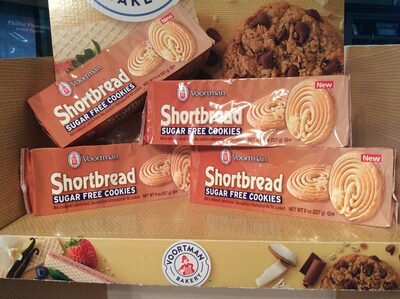
Shortbread Cookies zero sugar
- No added sugar
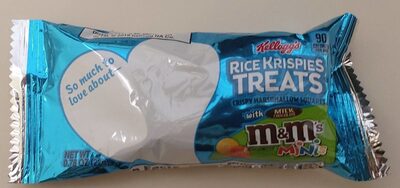
Rice Krispies- M&M minis
- No added sugar
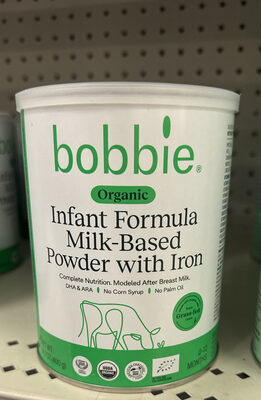
Infant Formula Milk-Based Powder With Iron
- No added sugar
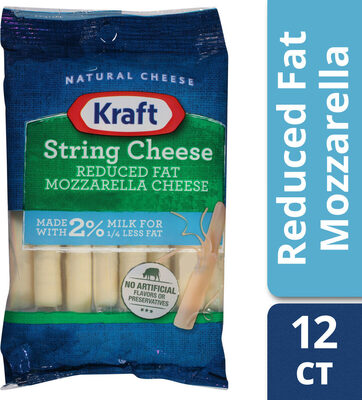
String cheese
- No added sugar
Zero Sugar Greek Yogurt
- No added sugar
Sweet Potatoes First Stage
- No added sugar
Spearmint Sugarfree Gum
- No added sugar
Frequently asked questions
Is high-fructose corn syrup worse than regular sugar for kids?
FDA says it is not aware of a safety difference between HFCS and sucrose at similar fructose-to-glucose ratios. A 2022 meta-analysis of 33 controlled trials found no significant difference for body weight, blood lipids, or blood pressure, though it noted a small increase in CRP (an inflammation marker). AHA counts every added-sugar gram the same way. The problem on the label is the total grams, not a separate HFCS toxicity score.
Does HFCS count as added sugar on the Nutrition Facts label?
Yes. FDA classifies sugars from syrups, including HFCS, as added sugars. The Added Sugars gram line already includes it. Do not add a second HFCS number on top of that line.
Is corn syrup the same as high-fructose corn syrup?
No. Regular corn syrup (21 CFR 184.1865) is almost entirely glucose. HFCS starts as corn syrup, then an enzyme called glucose isomerase converts part of that glucose to fructose. Labels that say only "corn syrup" are a different ingredient with a different sugar profile. Both count as added sugar.
Can USDA Organic kids food contain HFCS?
HFCS is not on the USDA Organic National List of allowed nonorganic ingredients. A product carrying the USDA Organic seal should not contain conventional HFCS. Organic cane sugar, organic tapioca syrup, and fruit juice concentrate can still add grams to the Added Sugars line.
Why is HFCS in so many packaged kids foods?
HFCS is a liquid, so it blends into drinks, yogurt, and bars without dissolving crystals. It was also the cheaper caloric sweetener for US manufacturers for decades because corn subsidies kept the price below imported cane sugar. Reformulations away from HFCS often substitute cane sugar at the same gram count.
What should I do if HFCS is the first ingredient?
Treat the food as a sweet. Multiply Added Sugars grams by the number of servings the child eats, then compare with 25 g for ages 2 to 18 or 0 g under 2. If one serving uses most of the daily ceiling, swap that product first. Do not chase trace HFCS listings in condiments before addressing the large sources.
Related tools and guides
References
- FDA. High Fructose Corn Syrup Questions and Answers
- Cornell LII / eCFR. 21 CFR 184.1866 High fructose corn syrup
- FDA. Added Sugars on the Nutrition Facts Label
- Vos et al., AHA Circulation 2016. Added Sugars and Cardiovascular Disease Risk in Children
- CDC. Get the Facts: Added Sugars
- USDA ERS. Food Availability and Consumption
- Bowman et al., USDA ARS. Sources of Added Sugars in American Children's Diet (Dietary Data Brief No. 26)
- WHO. Guideline: sugars intake for adults and children
- Li et al., Front Nutr. 2022. The effect of high-fructose corn syrup vs. sucrose on anthropometric and metabolic parameters: A systematic review and meta-analysis
- USDA AMS. The National List of Allowed and Prohibited Substances
- American Heart Association. Added Sugars
- Raatz et al., J Nutr 2015. Consumption of honey, sucrose, and high-fructose corn syrup produces similar metabolic effects
- Fattore et al., Nutrition Reviews 2020. Effect of fructose instead of glucose or sucrose on cardiometabolic markers: a systematic review and meta-analysis of isoenergetic intervention trials
- Le et al., Metabolism 2012. Effects of high fructose corn syrup and sucrose on the pharmacokinetics of fructose and acute metabolic and hemodynamic responses in healthy subjects
Label guides are screening aids for packaged food, not a diagnosis. They are not a substitute for a pediatrician or registered dietitian. Added-sugar limits cited here come from AHA, CDC, FDA, and the Dietary Guidelines. Quantity always comes from the Nutrition Facts Added Sugars line.