Ingredient guide
Carrageenan in Kids' Food: Thickener, Not Sugar
Carrageenan is a seaweed-derived gum used as a thickener and stabilizer (21 CFR 172.620). It is not a sweetener and does not count as added sugar. Food-grade carrageenan is a high-molecular-weight hydrocolloid, distinct from poligeenan, the acid-degraded, low-molecular-weight industrial gum that older papers labeled "degraded carrageenan." McKim 2018 documented how conflation of the two compounds in earlier literature created persistent safety confusion. JECFA reviewed infant-formula use and did not flag levels up to 1,000 mg/L in formula for special medical purposes. Carrageenan remains on the USDA Organic National List, so organic yogurt can still contain it.
Reviewed September 2026
Not added sugar; seaweed thickener
Food-grade carrageenan is not poligeenan (the acid-degraded industrial gum behind older inflammation studies). Allowed in organic products. JECFA cleared infant-formula use up to 1,000 mg/L.
Also listed as: carrageenan, E407, Irish moss extract, salts of carrageenan
What carrageenan is
Carrageenan is a sulfated polysaccharide extracted from red seaweeds in the families Gigartinaceae and Solieriaceae. FDA regulates it as a food additive under 21 CFR 172.620. The dominant sugar units are galactose and anhydrogalactose, with sulfate content between 20% and 40% on a dry-weight basis.
It is a thickener, not a sweetener.
Kids packs print "carrageenan." The additive keeps chocolate milk from separating, holds yogurt at a creamy consistency, and stops pouch contents from weeping liquid. It does not appear on the Added Sugars line. A creamy pouch can still carry 10 g of added sugars from other ingredients.
Three types dominate commercial food use: kappa, iota, and lambda. Kappa-carrageenan forms firm gels with potassium. Iota forms elastic gels with calcium. Lambda does not gel at all and works as a thickener in dairy. A yogurt label does not tell you which type is inside. The CFR does not require that level of disclosure.
FDA allows carrageenan in the amount needed for its emulsifier, stabilizer, or thickener function, except in standardized foods that do not provide for it. Salts of carrageenan (ammonium, calcium, potassium, sodium) have a separate listing at 21 CFR 172.626.
Food-grade carrageenan is not poligeenan
Most of the scare content online confuses two different substances.
Food-grade carrageenan has a weight-average molecular weight above 100,000 Da. Poligeenan has a molecular weight between 10,000 and 20,000 Da. Poligeenan is made in a laboratory by subjecting carrageenan to harsh acid hydrolysis at pH below 2.0 and temperatures above 80°C. It is not a food additive. It does not thicken yogurt. Early studies used the word "carrageenan" for both materials, and that naming error is still circulating in wellness blogs and parenting forums.
A 2018 critical review in Critical Reviews in Food Science and Nutrition traced the full history of this confusion. The authors concluded that concerns over food-additive carrageenan "are unfounded" because carrageenan cannot be hydrolyzed to poligeenan inside the body. A separate 2002 review in the same journal, analyzing the full toxicological database, found that food-grade carrageenan is not degraded to any meaningful extent in the gastrointestinal tract of rodents, dogs, or primates, and has shown no carcinogenic or tumor-promoting activity in long-term bioassays.
That does not mean every question is settled. A 2018 review in Food & Function identified three specific gaps: limited data on actual public exposure levels, an incomplete picture of how carrageenan interacts with the colon microbiome and inflammation, and almost no data on how carrageenan behaves in the gut of vulnerable populations such as elderly adults or people with existing inflammatory bowel disease. These are research gaps, not child ADI numbers.
Three names that get collapsed in blog posts
| Name | What it is | In US food |
|---|---|---|
| Carrageenan (E407) | High-molecular-weight food gum, 21 CFR 172.620, above 100,000 Da | Yes, as a thickener |
| Salts of carrageenan | Carrageenan with one salt made dominant, 21 CFR 172.626 | Yes |
| Poligeenan / degraded carrageenan | Acid-hydrolyzed industrial gum, 10,000 to 20,000 Da | Not a food additive |
How to use this page in the snack aisle
Read the ingredient list for "carrageenan." The name is a yes or no. There is no gram or milligram box.
Then read Added Sugars grams. A chocolate milk with carrageenan can carry 18 g of added sugars. The gum is not the sugar. Those two facts live on different lines and answer different questions.
If a clinician has asked the family to drop carrageenan for a gut workup or allergy investigation, treat the name as a skip. This page does not diagnose colitis or prescribe an elimination diet.
Formula and worked examples
There is no FDA ADI in mg/kg printed for parents. JECFA assigned a group ADI of "not specified" for carrageenan and processed Eucheuma seaweed, meaning the committee saw no need for a numerical cap at food-additive use levels. The practical formula for this page is still the AHA sugar meter: added-sugar grams times servings, divided by 25.
A yogurt pouch with 9 g added sugars and carrageenan uses 36% of a 25 g day. Dropping carrageenan but keeping 9 g does not change the 36%.
A chocolate milk with 18 g added sugars and carrageenan uses 72% of the day. The stabilizer is why the cocoa stays suspended. The grams are why the AHA meter moves.
Infant formula is a separate case. JECFA concluded in 2015 that carrageenan use in infant formula or formula for special medical purposes at concentrations up to 1,000 mg/L is not of concern. That is a committee conclusion for manufacturers, not a number parents can check from a name on a can.
Dashed line: AHA child ceiling (25 g)
Yogurt pouch, 9 g
9 g
Chocolate milk, 18 g
18 g
AHA child ceiling
25 g
12 oz regular soda
About 40 g
Worked checks when carrageenan is on the list
| What you have | What the name tells you | What the panel tells you |
|---|---|---|
| Yogurt lists carrageenan, 9 g added sugars | A thickener is present | 36% of the 25 g sugar ceiling |
| Same yogurt, pectin instead, 9 g sugars | A different gum | Still 36% |
| Infant formula lists carrageenan | Allowed under FDA additive rules | Ask the pediatrician about a swap |
| Child with a clinician gum-avoid plan | Skip the name | Do not invent a milligram compromise |
How to read the result and what to do next
If the goal is sugar, ignore the gum and use remaining Added Sugars grams. If the goal is to drop carrageenan, filter on the name and expect texture changes: more settling in chocolate milk, a thinner pouch, a less smooth ice cream.
CDC still names drinks, desserts, and sweet snacks as the leading added-sugar sources for US children. Replace the largest gram source first.
Gut inflammation research and where it stands
A 2021 review in Comprehensive Reviews in Food Science and Food Safety analyzed the structure-function relationships of carrageenan and concluded that carrageenans with random-coil conformations (primarily lambda-carrageenan) may have adverse effects on gastrointestinal health, while helical types (kappa and iota) used in most gelling applications showed a different profile. The authors called for personalized guidance based on individual health status.
The mechanism under study involves the TLR4 signaling pathway. A 2024 review traced how carrageenan activates toll-like receptor 4, triggers NF-kB, and produces pro-inflammatory cytokines in animal models. That pathway is real. Whether it fires at yogurt-level doses in a child with an intact gut barrier is the question no human trial has answered.
A 2024 review in Nutrients examined carrageenan in the context of inflammatory bowel disease and found that degraded carrageenan triggered intestinal ulceration and inflammation in animal studies, reduced bacterial diversity, and increased intestinal permeability. The paper distinguished degraded from food-grade carrageenan throughout. The group most exposed to harmful effects were people already suffering from IBD.
A 2023 scoping review screened 2,572 records and included 196 research publications on carrageenan. The authors found extensive animal and in vitro data on inflammation, microbiome effects, intestinal permeability, and cancer, but only five human research publications. They called for randomized controlled trials at realistic dietary exposure levels across all ages, including vulnerable groups.
No regulatory agency has withdrawn carrageenan from the food supply based on these studies.
Where carrageenan shows up in kids food
Chocolate milk, drinkable yogurt, dairy pouches, ice cream, deli meat, and plant milks. USDA also lists carrageenan as a binder in certain meat and poultry products under 9 CFR 424.21.
Plant milks use it because unsweetened almond or oat drinks separate without a stabilizer. A "barista" oat milk can list carrageenan and still hold added sugars. An "unsweetened" carton can list carrageenan and 0 g added sugars. The gum and the sugar move independently.
Deli turkey that lists carrageenan is using it as a water binder. If the family already cut processed meat for nitrite reasons, this gum leaves on the same trip.
A "no carrageenan" banner can sit next to 14 g added sugars. Read both labels.
Infant formula and the JECFA timeline
Carrageenan keeps minerals and fats from separating in liquid formula. JECFA reviewed the additive for infant-formula use four times between 2007 and 2015.
In 2007, JECFA said it was "inadvisable to use carrageenan or processed Eucheuma seaweed in infant formula intended for infants up to and including 12 months of age" because the database was insufficient on three points: effects on the immature gut, absorption by the immature gut, and effects on the GI immune response.
By 2015, new neonatal pig studies showed no adverse effects on gut or immune parameters at the highest dose tested. JECFA reversed course and concluded that carrageenan use in infant formula at up to 1,000 mg/L is not of concern.
EFSA took a more cautious position. Its 2018 re-evaluation concurred with the SCF 1998 view that "it remains inadvisable to use carrageenan in infant formulae that are fed from birth" but had no objection to its use in follow-on milks and weaning foods. That split between JECFA and EFSA is still standing.
If a parent wants a carrageenan-free formula, that is a pediatrician and supply question.
USDA Organic
Carrageenan has been on the National List as an allowed nonorganic ingredient in organic processed food. NOSB voted to remove it, but USDA kept it. A USDA Organic yogurt can still list carrageenan.
Organic cane sugar in the same cup still adds grams to the panel.
Limits, edge cases, and safety
This page does not convert a name into milligrams of gum. It does not diagnose inflammatory bowel disease.
People with a seaweed or iodine concern should ask the clinician. Food-grade carrageenan is a refined extract, not a kelp supplement. The refining process removes most non-carrageenan material.
Carrageenan with polysorbate 80 has a separate listing (21 CFR 172.623) and extra labeling. That pairing is uncommon on kids snacks.
Agar is another seaweed gel with a different CFR listing. Gelatin is animal collagen. A "gelatin-free" gummy can use carrageenan, pectin, or neither. Read the word on the pack, not the category in a blog post.
If chocolate milk settles after you switch to a carrageenan-free brand, shake it. Settling is a texture difference, not a safety finding.
AAP 2018 focused its food-additive concerns on colors, nitrates, and several packaging chemicals. It did not publish a carrageenan milligram cap. A family GI plan can be stricter than the CFR. Write the name on the skip list and keep the sugar meter on a separate line so the two filters do not collapse into one vague "chemicals" rule.
If two yogurts have the same Added Sugars grams and only one lists carrageenan, the sugar decision is a tie. Pick the texture the child will eat. A rejected pouch that gets replaced with a juice box is a worse sugar day.
Snacks that do not list Carrageenan
Open a product page in an aisle where this name is common. We check the stored ingredient text, not a front-of-pack claim.
A snack can skip carrageenan and still add cane sugar or juice concentrate. Count the Added Sugars grams.
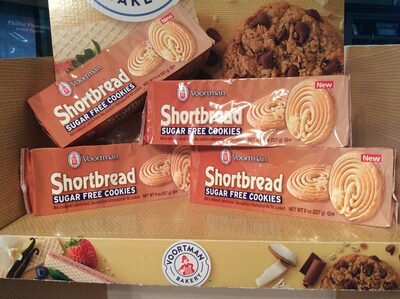
Shortbread Cookies zero sugar
- No added sugar
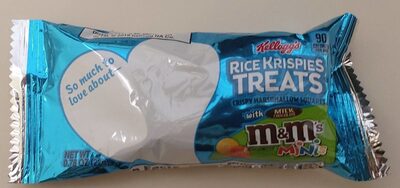
Rice Krispies- M&M minis
- No added sugar
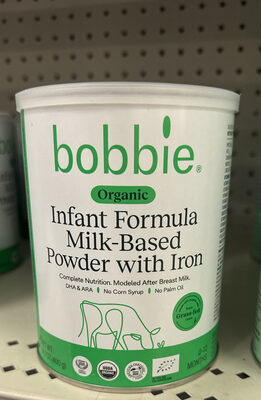
Infant Formula Milk-Based Powder With Iron
- No added sugar
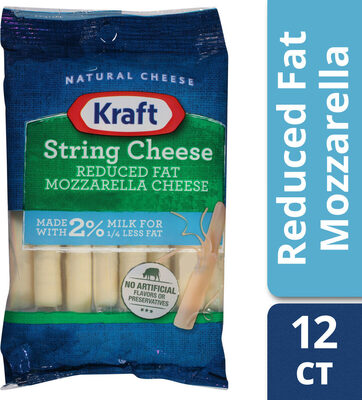
String cheese
- No added sugar
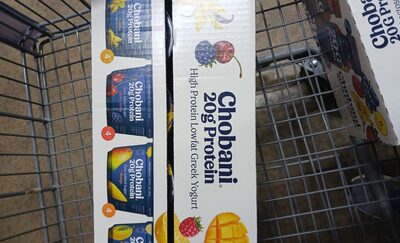
Zero Sugar Greek Yogurt
- No added sugar
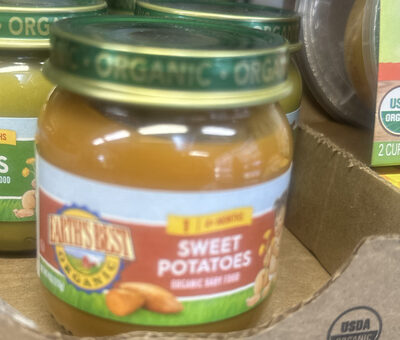
Sweet Potatoes First Stage
- No added sugar
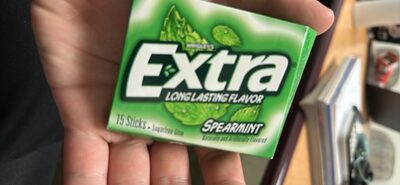
Spearmint Sugarfree Gum
- No added sugar
Frequently asked questions
Does carrageenan count as added sugar?
No. Carrageenan is a thickener, stabilizer, or emulsifier. A chocolate milk can list carrageenan and still contain 18 g of added sugars from sucrose or HFCS. The gum and the sugar are separate label checks.
Is carrageenan the same as poligeenan?
No. Poligeenan is acid-hydrolyzed to a low molecular weight for industrial use (wound dressings, barium enemas). McKim 2018 documented how older papers that used the term "degraded carrageenan" created lasting confusion between the two compounds. Food-grade carrageenan (21 CFR 172.620) is a high-molecular-weight gum not processed with strong acid.
Is carrageenan in infant formula safe?
JECFA reviewed infant-formula use and did not flag levels up to 1,000 mg/L in formula for special medical purposes. A 1977 primate study (baboons, 1 year) found no GI damage at several times commercial concentrations. If a family prefers carrageenan-free formula, several brands omit it. Ask the pediatrician for a recommendation.
Can USDA Organic kids food contain carrageenan?
Yes. Carrageenan remains on the USDA Organic National List as an allowed nonorganic ingredient in organic processed food. The organic seal certifies production practices, not the absence of approved thickeners.
Does carrageenan cause gut inflammation?
Some animal studies report gut inflammation with certain carrageenan preparations, particularly low-molecular-weight fractions that overlap with poligeenan. These studies do not establish a human ADI or a clinical diagnosis. If a child has a diagnosed GI condition and the clinician advises removing carrageenan, treat the name as a binary skip.
How do I remove carrageenan from yogurt?
Read the ingredient list for "carrageenan" and choose a brand that does not list it. Texture may thin without the gum. Gellan gum, locust bean gum, and pectin are common replacements. The Added Sugars line is a separate decision from the thickener choice.
Related tools and guides
References
- eCFR. 21 CFR 172.620 Carrageenan
- eCFR. 21 CFR 172.626 Salts of carrageenan
- WHO / JECFA. JECFA carrageenan evaluations (Chemical 377)
- McKim et al., Crit Rev Food Sci Nutr 2018. Clarifying the confusion between poligeenan, degraded carrageenan, and carrageenan
- Cohen et al., Crit Rev Toxicol 2002. A Critical Review of the Toxicological Effects of Carrageenan on the Gastrointestinal Tract
- David et al., Food Funct 2018. Revisiting the carrageenan controversy: do we really understand the digestive fate and safety of carrageenan in our foods?
- Liu et al., Compr Rev Food Sci Food Saf 2021. Food-grade carrageenans and their implications in health and disease
- CDC. Get the Facts: Added Sugars
- EFSA Panel on Food Additives, 2018. Re-evaluation of carrageenan (E 407) and processed Eucheuma seaweed (E 407a)
- Komisarska et al., Nutrients 2024. Carrageenan as a Potential Factor of Inflammatory Bowel Diseases
- Wahnou et al., Recent Adv Inflamm Allergy Drug Discov 2024. Carrageenan and TLR4 Crosstalk: A Comprehensive Review of Inflammatory Responses in Animal Models
- Tahiri et al., Crit Rev Toxicol 2023. Evidence and hypotheses on adverse effects of carrageenan (E 407) on the intestines: a scoping review
- eCFR / USDA FSIS. 9 CFR 424.21 Use of food ingredients
- McGill et al., Gastroenterology 1977. Carrageenan in formula and infant baboon development
- USDA AMS. The National List
- AAP, 2018. Food Additives and Child Health (AAP policy)
Label guides are screening aids for packaged food, not a diagnosis. They are not a substitute for a pediatrician or registered dietitian. Added-sugar limits cited here come from AHA, CDC, FDA, and the Dietary Guidelines. Quantity always comes from the Nutrition Facts Added Sugars line.