Ingredient guide
BHA and BHT in Kids' Food: Cereal Caps, IARC 2B, and Alternatives
BHA (butylated hydroxyanisole) and BHT (butylated hydroxytoluene) are synthetic antioxidants that slow fat rancidity in cereal, potato flakes, and chewing gum. FDA regulates them under 21 CFR 172.110 and 172.115 with a combined cap of 50 ppm for dry breakfast cereal, meaning a 30 g bowl holds at most 1.5 mg. IARC classifies BHA as Group 2B (possibly carcinogenic) based on rodent forestomach tumors at high doses, but a 2021 review in Regulatory Toxicology and Pharmacology noted that IARC itself later determined the forestomach mechanism is not relevant to humans. A 2019 urinary biomarker study detected BHT in 88% of urine samples across five countries. FDA has not withdrawn either listing. USDA Organic cereal uses mixed tocopherols instead.
Reviewed September 2026
Not added sugar; synthetic antioxidant
Combined BHA+BHT cap is 50 ppm in cereal (1.5 mg per 30 g bowl at maximum). IARC Group 2B for BHA, but the rodent forestomach mechanism does not apply to humans. Organic products substitute mixed tocopherols.
Also listed as: BHT, BHA, butylated hydroxytoluene, butylated hydroxyanisole
What BHA and BHT are
BHA (butylated hydroxyanisole) and BHT (butylated hydroxytoluene) are synthetic antioxidants. They slow the rancid smell that fats pick up in cereal, potato flakes, and chewing gum. Kids packs print "BHA," "BHT," or both.
They are not sweeteners. They do not count as added sugar. A cereal can list 0 g added sugars and still name BHT. A 0 g sugar bowl can still be a daily BHT source.
FDA regulates them as food additives. 21 CFR 172.110 sets BHA identity (at least 98.5% BHA) and a table of foods with a combined BHA-plus-BHT cap in parts per million. 21 CFR 172.115 does the same for BHT (at least 99% BHT) on a shorter food list. Dry breakfast cereals sit at 50 ppm total BHA and BHT. Potato granules sit at 10 ppm. Emulsion stabilizers for shortenings sit at 200 ppm. Those numbers are factory caps, not bowl assays.
The legal ppm table is the formula
Parents do not get milligrams on the box. The regulation is a factory cap, not a lunchbox assay. The cereal 50 ppm figure means 50 mg of BHA plus BHT combined per kg of cereal, not 50 mg in the bowl.
A 30 g serving of cereal at the 50 ppm cap would hold 1.5 mg of the antioxidants if the maker used the entire allowance. Most makers sit under the cap. You cannot see which.
BHA-only lines in 172.110 include active dry yeast at 1,000 ppm, beverages and desserts made from dry mixes at 2 ppm in the prepared food, dry diced glazed fruit at 32 ppm, and dry mixes at 90 ppm. The mix label must tell the factory how to stay at 2 ppm in the glass.
A separate general antioxidant rule in 21 CFR 172.5 keeps total antioxidants at not more than 0.02% of the oil or fat content of some foods. That is 200 ppm of the fat, not of the whole snack. Do not mix that percentage with the cereal 50 ppm line.
Potato granules
10 ppm
Potato flakes / cereal
50 ppm
Shortening stabilizer
200 ppm
FDA food caps for BHA and BHT (21 CFR 172.110 and 172.115)
| Food | Cap (total BHA + BHT unless noted) | Which listing |
|---|---|---|
| Dry breakfast cereals | 50 ppm | Both |
| Potato flakes / dehydrated shreds / sweet potato flakes | 50 ppm | Both |
| Potato granules | 10 ppm | Both |
| Emulsion stabilizers for shortenings | 200 ppm | Both |
| Beverages and desserts from dry mixes | 2 ppm BHA only, in the prepared food | BHA |
| Active dry yeast | 1,000 ppm BHA only | BHA |
How to use this page in the snack aisle
Read the ingredient list for BHA, BHT, butylated hydroxyanisole, and butylated hydroxytoluene. The name is a yes or no.
Then read Added Sugars grams. Many cereals that use BHT also carry a sugar load. The antioxidant is not the sugar.
If a clinician has already asked you to drop synthetic antioxidants, treat the name as a skip. AAP 2018 listed BHA and BHT among additives that deserve closer attention in children.
Formula and worked examples
You cannot finish a milligram ADI from the name. The worked check is: (ppm cap ÷ 1,000,000) × grams of food. At 50 ppm, each gram of cereal can legally hold 0.05 mg of BHA plus BHT.
A 30 g bowl at the cereal cap is 1.5 mg. A 60 g bowl is 3 mg. Those numbers are ceilings, not lab results for the box in your hand.
Added-sugar grams still use the AHA 25 g ceiling. A cereal with 12 g added sugars uses 48% of that day whether or not BHT is present.
Chewing gum and food-contact packaging sometimes list BHT as well. Packaging BHT is a different regulatory path from 172.115 food use. If the wrapper is the only place you see the name, the food list may still be clean.
Dashed line: AHA child ceiling (25 g)
Cereal, 12 g
12 g
Cereal plus bar, 20 g
20 g
AHA child ceiling
25 g
12 oz regular soda
About 40 g
Worked checks when BHA or BHT is on the list
| What you have | What you can calculate | What you cannot |
|---|---|---|
| Cereal lists BHT, 12 g added sugars | 48% of the 25 g sugar ceiling; 50 ppm legal cap | Milligrams actually in the bowl |
| Cereal lists BHT, 0 g added sugars | Sugar meter is 0 g | A BHT-free claim |
| Dry drink mix lists BHA | Prepared drink must stay at 2 ppm BHA | A kids ADI from the powder scoop |
| Child with an antioxidant-avoid plan | Skip the name | A ppm compromise from this page |
How to read the result and what to do next
If the goal is sugar, use remaining Added Sugars grams. If the goal is to drop BHA and BHT, filter on those four letters. Texture and shelf life may shorten. That is a pantry trade, not a diagnosis.
CDC still names drinks, desserts, and sweet snacks as the leading added-sugar sources. Replace the largest gram source first.
IARC, rodents, and what FDA still allows
IARC classifies BHA as Group 2B, possibly carcinogenic to humans, based mainly on forestomach tumors in rodents given high doses. BHT has a separate, more mixed monograph history. Group 2B is the same bucket IARC used for aspartame in 2023. It is not a kids-food ban and it is not a proof of cancer at cereal ppm.
FDA has not withdrawn 21 CFR 172.110 or 172.115. The legal caps above are still the US rule. Quote both the classification and the CFR.
AAP 2018 treated synthetic antioxidants as part of the child-additive exposure problem and called for more research and a stronger FDA review posture. It did not publish a replacement ppm table.
Rodent forestomach is a keratinized organ humans do not have. A 2021 review in Regulatory Toxicology and Pharmacology noted that IARC itself later determined the mechanism behind BHA forestomach tumors is not relevant to humans, but the Group 2B classification was never revoked. A 1999 review in Food and Chemical Toxicology concluded that BHA and BHT "pose no cancer hazard and, to the contrary, may be anticarcinogenic at current levels of food additive use."
A 2019 urinary biomarker study detected BHT in 88% of urine samples from five countries. Estimated median daily intakes in children ranged from 0.38 to 56.6 micrograms per kg body weight per day. That confirms widespread low-level exposure, not a crisis at cereal-cap concentrations.
California's Proposition 65 list has included BHA. A Prop 65 warning on a warehouse bag is not an FDA withdrawal and not a child ADI. Read the ingredient list anyway if you want the name gone.
Where BHA and BHT show up in kids food
Dry breakfast cereals, instant mashed potato, some snack crackers, chewing gum, and butter-flavor items. BHT also appears in some vitamin premixes and in packaging films.
Chewing gum is an easy miss because parents hunt cereal first. A child who chews two sticks after lunch is a daily-use product, the same way a dyed vitamin is. The legal cap for gum is not the cereal 50 ppm line. The name is still BHT.
Instant mashed potato sits on the same 50 ppm flakes line, with granules tighter at 10 ppm. School-cafeteria flakes are a volume food. If BHT is a household skip, check the potato flakes next to the cereal.
A "no artificial preservatives" banner can still hide a large Added Sugars number. Read both.
USDA Organic
BHA and BHT are synthetic preservatives and are not allowed in USDA Organic processed food. A USDA Organic mark means conventional BHA or BHT should not be in the cereal. Organic cane sugar can still add grams. Mixed tocopherols (vitamin E) are a common organic stand-in.
Limits, edge cases, and safety
This page cannot assay the bowl. The 50 ppm cereal line is a legal maximum.
People with a clinician-noted additive plan should follow that plan. Forestomach biology in rodents does not map one-to-one onto a child esophagus. Do not turn IARC 2B into a one-bowl panic, and do not pretend the classification is nothing.
TBHQ and tocopherols are different antioxidants with their own listings. This page is BHA and BHT only.
A cereal that dropped BHT and added mixed tocopherols is a preservative swap. Check whether the Added Sugars grams moved. Many "cleaner" redesigns keep the sugar and change the four-letter antioxidant.
If BHT appears only under "BHT added to packaging to preserve freshness," the food itself may not list it. That is still a household choice. It is not the same as 50 ppm in the flakes. If you want both gone, you need a cereal that lists neither the food nor the film.
Gum, cereal, and instant potato are the three kids places worth a first pass. Condiment-size listings in a spice blend are a later pass. Start where the child eats daily, the same way you would start a sugar cut with drinks rather than ketchup. One breakfast cereal swap moves more BHT than hunting a rare listing in a spice rub.
Snacks that do not list BHA and BHT
Open a product page in an aisle where this name is common. We check the stored ingredient text, not a front-of-pack claim.
A snack can skip bha and bht and still add cane sugar or juice concentrate. Count the Added Sugars grams.
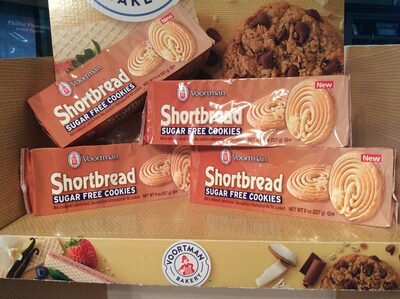
Shortbread Cookies zero sugar
- No added sugar
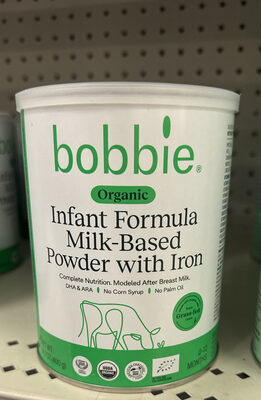
Infant Formula Milk-Based Powder With Iron
- No added sugar
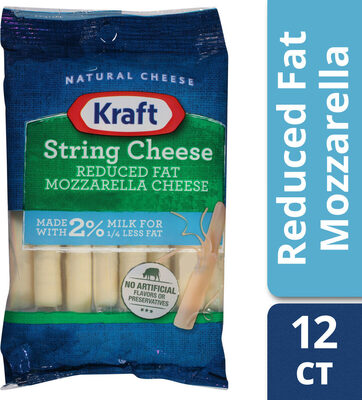
String cheese
- No added sugar
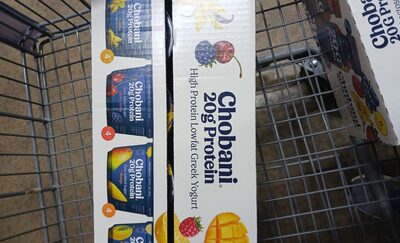
Zero Sugar Greek Yogurt
- No added sugar
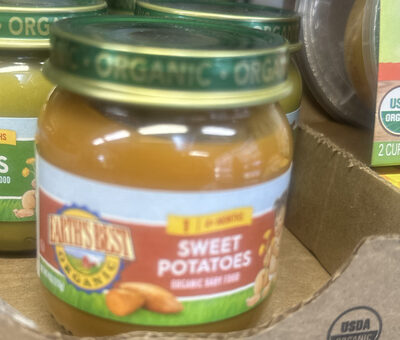
Sweet Potatoes First Stage
- No added sugar
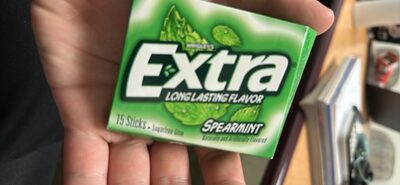
Spearmint Sugarfree Gum
- No added sugar
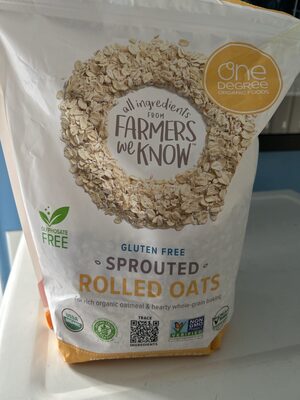
Sprouted Rolled Oats
- No added sugar
Frequently asked questions
Do BHA and BHT count as added sugar?
No. They are synthetic antioxidants that prevent fat from going rancid. A cereal can show 0 g on the Added Sugars line and still list BHT. Many cereals that use BHT also contain 10 to 15 g of added sugars from other ingredients. The antioxidant and the sugar are separate label checks.
How much BHT is in a bowl of cereal?
Labels do not print milligrams. The legal cap for dry breakfast cereal is 50 ppm total BHA plus BHT combined, which translates to 1.5 mg in a 30 g bowl if the manufacturer used the full allowance. Most cereals sit below the cap. A 2019 urinary biomarker study confirmed widespread low-level BHT exposure across five countries, with children's median intakes ranging from 0.38 to 56.6 micrograms per kg body weight per day.
Did IARC ban BHA in cereal?
No. IARC classified BHA as Group 2B (possibly carcinogenic) based mainly on forestomach tumors in rodents at high doses. A 2021 review in Regulatory Toxicology and Pharmacology noted that IARC itself later concluded the forestomach mechanism is not relevant to humans (humans lack a keratinized forestomach), but the Group 2B classification was never revoked. FDA has not withdrawn 21 CFR 172.110 or 172.115.
Can USDA Organic kids food contain BHA or BHT?
No. BHA and BHT are synthetic preservatives prohibited in USDA Organic processed food. Organic cereals substitute mixed tocopherols (vitamin E) as the antioxidant. Organic sugar in the same product can still add grams to the Added Sugars line.
Is BHT in the cereal itself or just in the bag?
Sometimes both. Food-use BHT is regulated under 21 CFR 172.115. Packaging films can also contain BHT to preserve freshness. If the label says "BHT added to packaging material to preserve freshness," the food itself may not contain it. If you want both gone, look for a cereal that lists neither the food additive nor the film treatment.
Are BHA and BHT the same as TBHQ?
No. TBHQ (tert-butylhydroquinone) is a different synthetic antioxidant with its own FDA listing and separate food-use caps. This page covers BHA and BHT only. All three are synthetic antioxidants prohibited in USDA Organic food.
Related tools and guides
References
- eCFR. 21 CFR 172.110 BHA
- eCFR. 21 CFR 172.115 BHT
- eCFR. 21 CFR 172.5 General provisions for direct food additives
- AAP. Food Additives and Child Health (AAP policy)
- CDC. Get the Facts: Added Sugars
- IARC. IARC list of classifications
- USDA AMS. The National List
- FDA. Added Sugars on the Nutrition Facts Label
- Felter et al., Regul Toxicol Pharmacol 2021. Butylated Hydroxyanisole: Carcinogenic food additive to be avoided or harmless antioxidant important to protect food supply?
- Williams et al., Food Chem Toxicol 1999. Safety assessment of butylated hydroxyanisole and butylated hydroxytoluene as antioxidant food additives
- Wang et al., Environ Int 2019. Quantitative Identification of and Exposure to Synthetic Phenolic Antioxidants, including Butylated Hydroxytoluene, in Urine
Label guides are screening aids for packaged food, not a diagnosis. They are not a substitute for a pediatrician or registered dietitian. Added-sugar limits cited here come from AHA, CDC, FDA, and the Dietary Guidelines. Quantity always comes from the Nutrition Facts Added Sugars line.