Ingredient guide
Sodium Nitrite in Kids' Food: Curing Salt, IARC Group 1, and Celery Powder
Sodium nitrite is a curing salt (21 CFR 172.175) used in hot dogs, bacon, deli meat, and cured fish. It does not count as added sugar. USDA limits finished meat to 200 ppm ingoing nitrite and prohibits nitrates in baby, junior, and toddler foods (9 CFR 424.21). Household curing-salt packs must print "Keep out of the reach of children" because concentrated nitrite is a poisoning risk. IARC classifies processed meat as Group 1 (carcinogenic to humans), estimating an 18% higher colorectal-cancer risk per 50 g per day in adults. Celery-powder "uncured" products carry the asterisk "except those naturally occurring" but still supply nitrate that converts to nitrite.
Reviewed September 2026
Not added sugar; processed-meat frequency is the check
IARC Group 1: 18% higher colorectal-cancer risk per 50 g/day of processed meat in adults. USDA caps finished meat at 200 ppm nitrite. Infant foods cannot contain nitrates. Celery-powder "uncured" products are not nitrite-free.
Also listed as: sodium nitrite, sodium nitrate, celery powder, curing salt, nitrite
What sodium nitrite is
Sodium nitrite is a curing salt used in meat and fish processing. It fixes the pink color consumers expect in deli ham, blocks Clostridium botulinum growth, and slows fat rancidity. Kids packs print "sodium nitrite," sometimes alongside "sodium nitrate" or "celery powder."
It is not a sweetener and does not count as added sugar.
FDA regulates sodium nitrite as a food additive under 21 CFR 172.175 for three specified uses: as a color fixative in smoked cured tuna at not more than 10 ppm; as a preservative and color fixative in smoked cured sablefish, salmon, and shad at not more than 200 ppm sodium nitrite and 500 ppm sodium nitrate; and in home-curing mixes at the same 200/500 ppm caps with directions that keep the finished meat inside those numbers. Retail packages intended for household use must print "Keep out of the reach of children" because concentrated nitrite is acutely toxic in quantities far smaller than table salt.
EFSA re-evaluated sodium nitrite (E 250) in 2017 and derived an ADI of 0.07 mg nitrite ion per kg body weight per day. The panel noted that children at the highest exposure percentile slightly exceeded that ADI from food-additive nitrite alone. FDA has not published a comparable mg/kg ADI for consumers; the US system relies on finished-product ppm caps instead.
USDA meat rules and infant foods
Most hot dogs and lunch meats fall under USDA FSIS jurisdiction, not just FDA fish listings. 9 CFR 424.21 caps nitrite at 200 ppm (calculated as sodium nitrite) in the finished product for general meat and poultry. Nitrates may not be used in baby, junior, or toddler foods.
Bacon gets its own, tighter rule. 9 CFR 424.22 limits pumped bacon to 120 ppm sodium nitrite ingoing, requires 550 ppm sodium ascorbate or erythorbate to inhibit nitrosamine formation during frying, and offers a reduced-nitrite path (40 to 80 ppm) when a fermentable carbohydrate and lactic acid bacteria are added. Dry-cured bacon is capped at 200 ppm ingoing. These are factory formulation numbers, not milligrams on the package label.
That infant-food ban is the line AAP repeats.
Celery powder and celery juice concentrate appear on labels marked "uncured" or "no nitrates or nitrites added except those naturally occurring in celery." FSIS considers celery powder an antimicrobial and flavoring, not an approved curing agent under 9 CFR 424.21(c). Products that use it instead of synthetic sodium nitrite must be labeled "uncured" under 9 CFR 319.2, and the Center for Science in the Public Interest petitioned FSIS in 2019 to stop allowing the "no nitrate or nitrite added" claim on these products, arguing it misleads consumers. FSIS signaled in 2024 that a proposed rule on uncured labeling is forthcoming.
Residual nitrite in celery-powder products can reach levels comparable to conventionally cured meat. The plant still supplies nitrate that bacteria convert into nitrite. The label language changed. The chemistry did not.
Legal caps next to sodium nitrite on the label
| Rule | Limit | What it covers |
|---|---|---|
| 21 CFR 172.175(a)(1) | 10 ppm sodium nitrite | Smoked cured tuna, color fixative |
| 21 CFR 172.175(a)(2) | 200 ppm nitrite / 500 ppm nitrate | Smoked cured sablefish, salmon, shad |
| 21 CFR 172.175(a)(3) | 200 / 500 ppm in finished meat | Home-cure mixes, including poultry and game |
| 9 CFR 424.21 | 200 ppm nitrite in finished product | USDA meat and poultry (general) |
| 9 CFR 424.22(b) | 120 ppm ingoing (pumped bacon) | Bacon, with 550 ppm ascorbate/erythorbate required |
| 9 CFR 424.21 | No nitrates in baby/junior/toddler foods | Foods produced specifically for those ages |
How to use this page in the snack aisle
Scan the ingredient list for sodium nitrite, sodium nitrate, potassium nitrite, and the celery-powder asterisk. There is no milligram box on a hot-dog pack.
Then ask how often processed meat shows up in the lunchbox. IARC classified processed meat as Group 1 (carcinogenic to humans) based on colorectal cancer evidence. The working group estimated an 18% increase in colorectal cancer risk for each 50 g of processed meat eaten daily. That is an adult epidemiology figure, not a children's ADI, but it is the number public health agencies cite when they recommend limiting intake.
AAP 2018 asked clinicians to counsel families on reducing processed-meat exposure in children, specifically for the nitrate/nitrite pathway and the broader ultra-processed dietary pattern. The report restated that infant and toddler foods must not contain added nitrates or nitrites. A toddler-sized hot dog from the regular meat case is not the same regulatory object as a jar of baby food.
Formula and worked examples
There is no parent-facing mg/kg ADI printed on the hot-dog pack. The practical check is frequency: how many servings of processed meat per week, plus the AHA added-sugar meter for whatever else is in the meal.
IARC's 50 g example is roughly one standard hot dog.
A child who eats one 50 g frank every school day is in the range of that daily-portion estimate. This page does not convert that into a personal cancer probability. It is a frequency marker for the same reason the AHA 25 g ceiling is a sugar marker: the evidence supports limiting habitual intake, not banning a birthday hot dog.
A 50 g frank with 2 g added sugars uses 8% of the AHA 25 g child ceiling. The nitrite question and the sugar question are both open. Do not let 2 g hide the cured-meat frequency.
Household curing salt is a poisoning hazard. 21 CFR 172.175 requires "Keep out of the reach of children" on retail packs because a teaspoon of concentrated sodium nitrite can cause methemoglobinemia. Store it like a chemical, not like table salt.
Dashed line: IARC 50 g example (50 g)
Half a frank, 25 g
25 g
One frank, 50 g
50 g
Two franks, 100 g
100 g
Worked checks when sodium nitrite is on the list
| What you have | What you can do | What you cannot do |
|---|---|---|
| Lunch meat lists sodium nitrite | Count how many days a week it appears | Read milligrams off the name |
| "Uncured" ham, celery powder asterisk | Treat it as nitrite-cured meat for frequency | Call it nitrite-free |
| Baby food jar | Nitrates and nitrites are barred in that category | Assume a toddler hot dog follows the same ban |
| Home-cure packet | Lock it away; follow the 200 ppm directions exactly | Taste or measure casually |
How to read the result and what to do next
If processed meat is a daily habit, swap in leftover chicken, beans, egg, or peanut butter on some weekdays. Frequency is the lever families can pull without a milligram assay.
If the pack is also high in added sugars, use the AHA 25 g meter on those grams separately. Some glazed sausages and teriyaki sticks carry 6 to 8 g added sugars per serving, which is 24 to 32% of the child ceiling on top of a cured-meat day.
CDC names sugar-sweetened drinks, desserts, and sweet snacks as the leading US sources of added sugars. A processed-meat swap does not automatically fix the sugar column.
Processed meat, nitrite, and what the papers say
IARC Group 1 for processed meat covers the food category as a whole: salted, cured, fermented, or smoked. Nitrite is one hypothesized mechanism because it can form N-nitroso compounds (NOCs) in the gut. Red meat as a class was placed in Group 2A (probably carcinogenic).
Crowe et al. (2019) reviewed preclinical and human evidence on nitrite-containing meat and colorectal cancer. Animal results were mixed, but when the authors limited human studies to those involving specifically nitrite-cured meat, the majority reported an association with increased CRC risk. They concluded that "this focused perspective based on the current body of evidence links the consumption of meat containing nitrites and CRC risk."
Deveci et al. (2023) described how N-nitrosamines form when secondary amines in meat interact with added nitrites and nitrates. Cooking at high temperatures accelerates the reaction. Eom et al. (2026) confirmed this in a factorial study: NDMA formation increased substantially under high-temperature, high-nitrite conditions, while other nitrosamines formed primarily during simulated gastric digestion.
Zapico et al. (2026) measured age-stratified dietary N-nitrosamine exposure across 116 children in northern Spain. The highest mean intake was at 48 months, driven by processed meats. Margins of exposure below 10,000, the benchmark EFSA uses for genotoxic carcinogens, appeared from age 12 months through adulthood. The authors concluded that early childhood is a critical window for reducing exposure.
A 2026 UK Biobank analysis by Shi et al. estimated endogenous NDMA formation from dietary nitrite and nitrate using a pharmacokinetic model. Over 12 years of follow-up among 27,438 cancer cases, the highest NDMA category carried a 4% higher overall cancer risk (95% CI 1.01 to 1.08) and a 12% higher colorectal cancer risk (95% CI 1.00 to 1.26).
Chazelas et al. (2022) linked high food-additive nitrite intake with higher prostate cancer risk and additive nitrate with higher breast cancer risk in French adults from the NutriNet-Sante cohort. Adult cohorts are not a children's dosing chart, but they are the datasets driving current WHO and WCRF guidance on processed meat.
Quote IARC's 50 g / 18% sentence as an adult processed-meat finding. It is not "one hot dog causes cancer."
What drives nitrosamine formation
Not all cured meats produce the same amount of N-nitroso compounds. Temperature, nitrite concentration, fat content, the presence of ascorbate or erythorbate, and cooking method all matter. Bacon fried at high heat generates more volatile nitrosamines than a cold-sliced ham sandwich, which is why USDA wrote a separate, lower bacon cap with a mandatory ascorbate requirement.
Sodium ascorbate and sodium erythorbate inhibit NOC formation by scavenging nitrous acid before it can react with amines. That is not optional chemistry for regulated bacon; 9 CFR 424.22 requires 550 ppm of either.
EFSA's 2017 re-evaluation estimated the margin of exposure for exogenous nitrosamines in meat products to be below 10,000 in all age groups at high-level exposure, a threshold the panel flagged as a potential health concern. The panel could not clearly separate nitrosamines produced from added nitrite at authorized levels from those already present in the food matrix without any external nitrite.
Leafy vegetables and root vegetables supply more dietary nitrate than cured meat on some days. AAP still singles out added nitrite in processed meat and bars it from infant foods because cured meat is a concentrated, avoidable source consumed habitually, not incidentally.
Where sodium nitrite shows up in kids food
Hot dogs, bologna, ham, bacon, pepperoni, some smoked fish, and some jerky.
The lunchbox version is usually the sliced deli packet. Some "clean" brands print celery powder and a legal disclaimer instead of sodium nitrite, but the frequency check is the same. Pepperoni on Friday pizza and a ham sandwich on Monday are two processed-meat days. The IARC 50 g example works better as a weekly tally than as a one-off alarm.
School-lunch franks are a volume food. If you pack lunch four days a week, swapping leftover chicken or a bean burrito on two of those days cuts processed-meat frequency in half without eliminating birthday hot dogs.
Jerky and meat sticks look like protein snacks and still list sodium nitrite or celery powder. Count them as processed meat, then read sodium and Added Sugars. Some teriyaki sticks hide 6 g added sugars in a glaze. That is 24% of the child sugar ceiling stacked on a cured-meat serving.
USDA Organic
Synthetic sodium nitrite is not allowed in USDA Organic processed meat. Organic "uncured" products use celery powder instead, which still supplies nitrate that bacteria convert to nitrite.
The organic seal answers a production-method question. It does not remove the N-nitroso compound pathway. Organic sugar in a glazed ham still adds grams to the Added Sugars line.
Limits, edge cases, and safety
This page is not a botulism primer or a cancer clinic. Curing exists because Clostridium botulinum is a real and lethal pathogen. Do not start a home "nitrite-free" canning project from a snack article.
Methemoglobinemia from concentrated nitrite or from well-water nitrate in infants is a separate, acute emergency. The household warning on 21 CFR 172.175 is about that risk class, not about one frank at lunch.
People on a clinician-set low-nitrite plan should follow that plan.
This page cannot assay milligrams in the product you are holding. The 200 ppm USDA cap is a factory maximum, not a lab result for the brand in your hand. Frequency of processed-meat servings is the variable a parent can actually control from the grocery aisle.
Snacks that do not list Sodium nitrite
Open a product page in an aisle where this name is common. We check the stored ingredient text, not a front-of-pack claim.
A snack can skip sodium nitrite and still add cane sugar or juice concentrate. Count the Added Sugars grams.
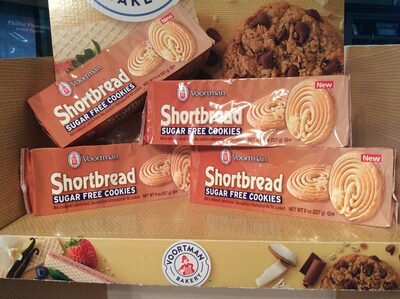
Shortbread Cookies zero sugar
- No added sugar
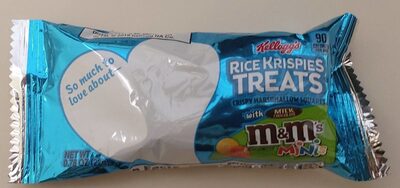
Rice Krispies- M&M minis
- No added sugar
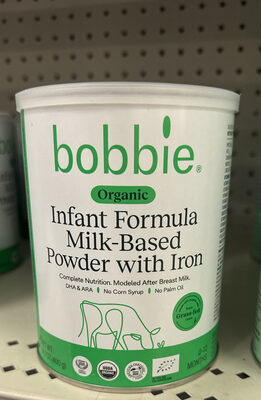
Infant Formula Milk-Based Powder With Iron
- No added sugar
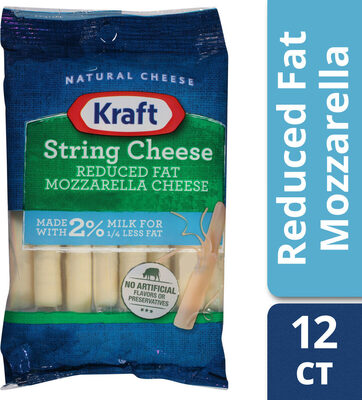
String cheese
- No added sugar
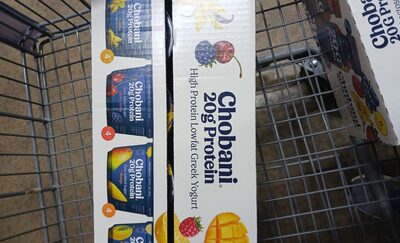
Zero Sugar Greek Yogurt
- No added sugar
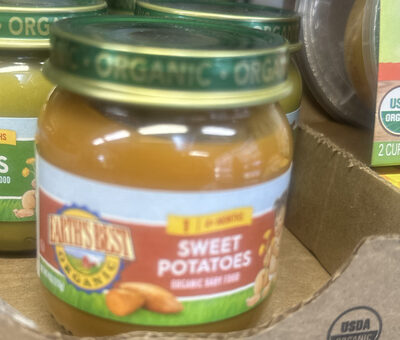
Sweet Potatoes First Stage
- No added sugar
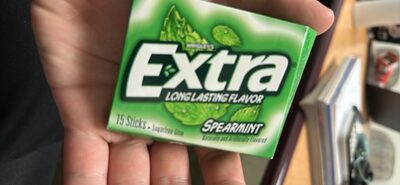
Spearmint Sugarfree Gum
- No added sugar
Frequently asked questions
Does sodium nitrite count as added sugar?
No. Sodium nitrite is a curing salt, not a sweetener. A hot dog can show 0 g on the Added Sugars line and still be processed meat. The sugar check (AHA 25 g ceiling) and the processed-meat frequency check are two separate assessments.
Is "uncured" or celery-powder meat nitrite-free?
Usually not. Celery powder, celery juice concentrate, and cherry powder supply nitrate that bacteria and cooking convert to nitrite. The label carries the asterisk "no nitrates or nitrites added except those naturally occurring." For lunchbox frequency, treat celery-powder products the same as conventionally cured meat.
Can baby food contain sodium nitrite?
9 CFR 424.21 prohibits nitrates in baby, junior, and toddler foods. A regular toddler hot dog in the refrigerated meat case is not classified as baby food and is not covered by this rule. The restriction applies to products specifically formulated and labeled for infants and toddlers.
Did IARC say hot dogs cause cancer in children?
IARC classified processed meat as Group 1 (carcinogenic to humans) based on colorectal-cancer evidence in adults. The 50 g per day / 18% relative risk increase is an adult epidemiology estimate, not a child milligram ADI. It does not mean one hot dog at a birthday party is a diagnosis. It does mean daily processed-meat frequency matters over years.
Why does the curing-salt jar say keep out of reach of children?
21 CFR 172.175 requires that warning on household packs containing sodium nitrite. Concentrated nitrite is an acute poisoning risk at gram quantities. The amount in one hot dog is orders of magnitude smaller than a toxic dose. The label warning applies to the jar, not the frank.
Can USDA Organic meat contain sodium nitrite?
Synthetic sodium nitrite is generally not allowed in organic processed meat. Organic "uncured" products substitute celery powder or celery juice concentrate, which are classified as natural flavorings. Those supply nitrate that converts to nitrite during processing. The organic seal changes the source of the nitrite, not its presence.
Related tools and guides
References
- eCFR. 21 CFR 172.175 Sodium nitrite
- eCFR / USDA FSIS. 9 CFR 424.21 Use of food ingredients and sources of radiation
- AAP. Food Additives and Child Health (AAP policy)
- IARC. IARC Monographs evaluate red meat and processed meat
- CDC. Get the Facts: Added Sugars
- Crowe et al., Nutrients 2019. A Review of the In Vivo Evidence Investigating the Role of Nitrite Exposure from Processed Meat Consumption in the Development of Colorectal Cancer
- Chazelas et al., Int J Epidemiol 2022. Nitrites and nitrates from food additives and cancer risk (NutriNet-Sante)
- USDA AMS. The National List
- Mortensen et al., EFSA Journal 2017. Re-evaluation of potassium nitrite (E 249) and sodium nitrite (E 250) as food additives
- Zapico et al., Scientific Reports 2026. Dietary exposure to N-nitrosamines and their precursors: an age-stratified assessment
- eCFR / USDA FSIS. 9 CFR 424.22 Certain other permitted uses
- Deveci et al., J Sci Food Agric 2023. N-Nitrosamines: A Potential Hazard in Processed Meat Products
Label guides are screening aids for packaged food, not a diagnosis. They are not a substitute for a pediatrician or registered dietitian. Added-sugar limits cited here come from AHA, CDC, FDA, and the Dietary Guidelines. Quantity always comes from the Nutrition Facts Added Sugars line.