Ingredient guide
Corn Syrup in Kids' Food: Not HFCS, Still Added Sugar
Corn syrup is a glucose syrup made by hydrolyzing corn starch (21 CFR 184.1865). It is not high-fructose corn syrup. HFCS starts as corn syrup, then an enzyme converts part of the glucose to fructose. Regular corn syrup contains near-zero fructose. Both are added sugars. Count the Added Sugars grams toward the AHA ceiling of 25 g per day for ages 2 to 18 and 0 g under age 2. A "no HFCS" front-of-pack banner can sit on a product that still lists corn syrup or corn syrup solids as the second ingredient.
Reviewed September 2026
Added sugar, not the same as HFCS
Almost all glucose, near-zero fructose. A "no HFCS" label can still mean corn syrup or corn syrup solids are in the product. Same AHA 25 g child limit applies.
Also listed as: corn syrup, glucose syrup, corn syrup solids, glucose sirup
What corn syrup is
Corn syrup is a glucose syrup made by partially hydrolyzing corn starch with acid or enzymes. FDA lists it as GRAS under 21 CFR 184.1865, which also calls it glucose sirup or glucose syrup. The dried version, corn syrup solids, is the same product with the water removed.
The starch chains break into glucose, maltose, and longer saccharides. How far they break is measured by dextrose equivalent (DE). A higher DE means more free glucose, a thinner syrup, and a sweeter taste. 21 CFR 168.120 defines glucose sirup as having a DE of 20 or higher and total solids of at least 70%. Below DE 20, the product is classified as maltodextrin under 21 CFR 184.1444, not corn syrup.
Corn syrup is not isomerized. That last enzymatic step, glucose isomerase, is what converts corn syrup into high-fructose corn syrup under a separate regulation, 21 CFR 184.1866. Regular corn syrup holds almost no fructose.
Kids packs print "corn syrup," "glucose syrup," or "corn syrup solids." Those names are not HFCS. If the pack means HFCS, it must say high fructose corn syrup or a listed synonym such as glucose-fructose syrup on some imports.
Corn syrup is an added sugar. FDA confirmed in the 2016 Nutrition Facts label final rule that mono- and disaccharides in corn syrup created through controlled hydrolysis must be declared as added sugars on the label. Those grams count toward the AHA ceiling of 25 g per day for ages 2 to 18 and 0 g under age 2.
Corn syrup versus HFCS
Regular corn syrup never meets the glucose isomerase enzyme. The fructose share stays near zero. HFCS 42 and HFCS 55 sit at about 42% and 55% fructose on a dry-weight basis.
Both are added sugars.
A granola bar can use corn syrup, HFCS, or both. The panel adds the grams together. You should not add a second mental number because the corn-syrup name sounds milder than HFCS.
Imported packs may say glucose syrup. That is still corn syrup or another starch syrup, not fruit sugar. Some Canadian and European lists print glucose-fructose syrup when they mean HFCS. The extra word is what separates the two. Glucose syrup alone is the non-isomerized product.
Corn syrup
HFCS 42
Sucrose
HFCS 55
Corn syrup next to nearby label names
| Name | What it is | Fructose share | Added sugar |
|---|---|---|---|
| Corn syrup / glucose syrup | Hydrolyzed corn starch, DE 20 or higher, GRAS 21 CFR 184.1865 | Near 0% | Yes |
| Corn syrup solids | Dried corn syrup, same DE range | Near 0% | Yes |
| HFCS 42 or 55 | Corn syrup after glucose isomerase, 21 CFR 184.1866 | About 42% or 55% | Yes |
| Maltodextrin | Hydrolyzed starch below DE 20, 21 CFR 184.1444 | Near 0% | Mono- and disaccharides count as added sugars |
| Sucrose | Cane or beet sugar | 50% after digestion | Yes |
Dextrose equivalent: what the number means
DE is a scale from 0 to 100. Pure starch sits at 0. Pure dextrose (glucose) sits at 100. A corn syrup with DE 42 is 42% of the way to pure glucose in terms of reducing-sugar content.
Higher-DE syrups are sweeter, thinner, and raise blood glucose faster. A 2015 review in Critical Reviews in Food Science and Nutrition found that exchanging unprocessed starch with higher-DE maltodextrins and glucose syrups increases the glycemic load and postmeal glycemia of the finished food. The authors concluded that the food-technology benefits of these ingredients "should also be viewed in light of" their glycemic impact.
Brand-Miller and colleagues tested children's milk powders containing added glucose syrups and corn syrups in a 2013 trial. Products with these additions raised the glycemic index more than 2-fold and the glycemic load 7-fold compared with milk powders containing no added carbohydrate sources. Insulin responses rose in parallel.
Parents do not see DE on the label. The ingredient list says corn syrup. The Added Sugars line captures the grams. The glycemic speed of those grams depends on the DE, which only the manufacturer knows.
How to use this page in the snack aisle
Write the Added Sugars grams and the servings the child will eat. Then scan the ingredient list for corn syrup, glucose syrup, corn syrup solids, and HFCS so you know which names are driving those grams.
FDA treats 5% Daily Value or less as a low source of added sugars and 20% or more as high. The Daily Value is 50 g on a 2,000-calorie adult reference diet. A "high" stamp of 20% DV is 10 g, already 40% of the AHA 25 g ceiling for a child.
Ingredient order is not a gram count. Two syrups split across the list can still total a large Added Sugars number. The panel adds them for you.
If the child is under 2, skip the percentage math. AHA and the 2020-2025 Dietary Guidelines say to avoid added sugars entirely in that age band.
Formula and worked examples
Share of the AHA child ceiling equals added-sugar grams times servings eaten, divided by 25. Under age 2 the ceiling is 0 g, so any positive gram amount is over.
A fruit snack with 10 g added sugars from corn syrup uses 40% of a 25 g day in one pouch. Two pouches use 80%.
A granola bar with 8 g plus a juice drink with 15 g totals 23 g, whether the bar used corn syrup or cane sugar. That leaves 2 g for the rest of the day. Dinner sauce has almost no room.
AHA notes that one 12-ounce regular soda holds about 10 teaspoons of sugar, roughly 40 g. One can uses 160% of the child daily ceiling before any bar or ketchup. The AHA scientific statement specifically recommended that children consume no more than 25 g of added sugars per day because associations with increased cardiovascular disease risk factors in children were present at levels far below current consumption.
Dashed line: AHA child ceiling (25 g)
Fruit snack, 10 g
10 g
Granola bar, 8 g
8 g
Bar plus juice, 23 g
23 g
12 oz regular soda
About 40 g
Worked checks when corn syrup is on the list
| What you have | Added sugars | Share of 25 g | What to do next |
|---|---|---|---|
| Fruit snack, 10 g from corn syrup | 10 g | 40% | Count it as the sweet in that lunchbox |
| Bar 8 g plus juice 15 g | 23 g | 92% | Water at dinner |
| Same bar made with cane sugar, 8 g | 8 g | 32% | The name changed; the grams did not |
| Any corn-syrup food, child under 2 | Any grams above 0 | Over | Choose 0 g added sugars |
How to read the result and what to do next
The useful number is remaining grams for the rest of the day.
Swapping HFCS for corn syrup without cutting grams does not help the AHA meter. The fructose share changed; the grams did not. If a pack says "no high-fructose corn syrup" and the Added Sugars line still reads 12 g, treat it as a 12 g sweet. The banner answered a different question.
CDC names sugar-sweetened drinks, desserts, and sweet snacks as the leading US sources of added sugars. Replace the largest gram source first. A ketchup packet is usually a smaller slot than a pouch drink.
ESPGHAN echoed the same priority in its 2017 position paper on sugar in children: intake of free sugars should be reduced and minimized, with a target below 5% of energy intake for ages 2 to 18. Sugar-containing beverages were named as the primary reduction target because they increase the risk of overweight, obesity, and dental caries.
What US kids eat
There is no official USDA table for grams of corn syrup alone eaten by children ages 2 to 18. USDA ERS availability data lumps corn sweeteners (HFCS, glucose syrup, and dextrose) into one disappearance series. That is factory supply, not a lunchbox diary.
CDC NHANES 2017-2018 reported about 17 teaspoons of added sugars a day for ages 2 to 19, roughly 68 g. That total includes corn syrup, HFCS, cane sugar, honey, and every other added-sugar name.
Vos and colleagues, writing for the AHA, noted that poor dietary quality and excess added-sugar intake contribute to energy-dense but nutrient-poor diets, increasing risk of obesity, cardiovascular disease, hypertension, and dental caries in children. They found these associations present "at levels far below current consumption levels."
The shopping use of this page is still the Added Sugars line on the pack in your hand.
Where corn syrup shows up in kids food
Corn syrup is common in fruit snacks, granola bars, cereal, cookies, ketchup, and candy. It keeps products moist and stops sugar from crystallizing. That functional job is why a "no HFCS" bar can still list corn syrup third.
Corn syrup solids show up in dry mixes, infant formula bulking, and some pouches because the water is already gone. The grams still count as added sugars when the mix is prepared as directed.
Children's milk powders are a less obvious source. Brand-Miller's trial found that products containing maltodextrins, corn syrups, or glucose syrups raised the glycemic index more than 2-fold compared with milk powders containing no added carbohydrate sources.
A "no high-fructose corn syrup" banner can still hide corn syrup. Read the Added Sugars line before you treat the banner as a sugar cut.
Metabolic evidence: glucose is not a free pass
Corn syrup is glucose. It raises blood glucose. It does not carry the fructose share that drives the HFCS-versus-sucrose debate. But AHA counts every added-sugar gram the same way when tallying cardiovascular risk in children.
Lustig and colleagues ran a controlled feeding study in 43 children with obesity and metabolic syndrome, replacing dietary sugar with starch for 9 days while holding calories constant. Triglycerides fell 46%, LDL cholesterol dropped, diastolic blood pressure improved by 5 mmHg, and glucose tolerance improved. The study targeted fructose specifically, but it demonstrated how quickly metabolic markers respond when any added-sugar load shifts in children.
High-DE corn syrups behave like dextrose in the bloodstream. Hofman and colleagues wrote in their 2015 review that exchanging unprocessed starch with glucose syrups and higher-DE maltodextrins may lead to an increased glycemic load, which is "viewed as less desirable for health." A 2026 meta-analysis of 17 RCTs found that low-glycemic-index diets improved insulin resistance in children with overweight or obesity.
FDA treats HFCS 42 and HFCS 55 as similar in safety to sucrose at comparable fructose-to-glucose ratios. Regular corn syrup sits outside that comparison because it was never isomerized. That chemistry fact is not a license to pour more of it.
Do not treat "no HFCS" as a low-sugar claim.
USDA Organic
Conventional corn syrup is not on the USDA Organic National List of allowed nonorganic ingredients. A USDA Organic processed food may use a nonorganic ingredient only if it appears on that list.
Organic snacks can use organic tapioca syrup, organic rice syrup, or organic cane sugar instead. All three are added sugars. The seal answers a farming and processing question. It does not reset the 25 g ceiling.
Limits, edge cases, and safety
This page does not estimate grams from a name-only ingredient list. Quantity lives on the Added Sugars line.
A first-ingredient listing can still be a small serving. A late listing can still sit next to 12 g of added sugars. Do not guess grams from ingredient order.
People with corn allergy need the clinician, not this page. Corn syrup is a refined starch product with extremely low residual protein. Allergen labeling follows a different rule from the added-sugar line. That said, highly refined corn-derived sugars are generally considered safe for corn-allergic individuals because the allergenic protein is removed during processing. The decision belongs to the allergist.
Corn syrup solids in a dry mix count when the child eats the prepared food. Use the "as prepared" serving on the Nutrition Facts panel, not the dry scoop.
FDA confirmed in 2018 guidance that maltodextrin (below DE 20) still contributes mono- and disaccharides that must be declared as added sugars if they were produced by controlled hydrolysis. A product listing both maltodextrin and corn syrup may be reporting added-sugar grams from both sources.
Snacks that do not list Corn syrup
Open a product page in an aisle where this name is common. We check the stored ingredient text, not a front-of-pack claim.
A snack can skip corn syrup and still add cane sugar or juice concentrate. Count the Added Sugars grams.
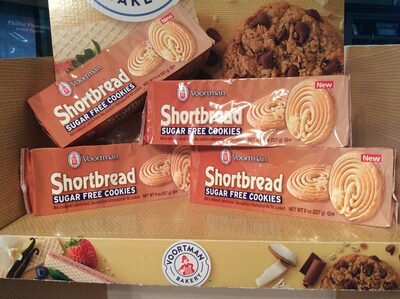
Shortbread Cookies zero sugar
- No added sugar
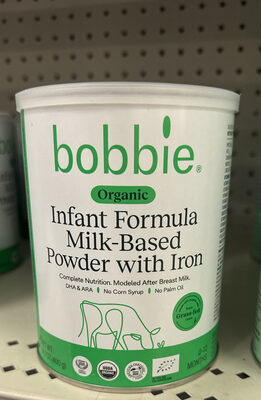
Infant Formula Milk-Based Powder With Iron
- No added sugar
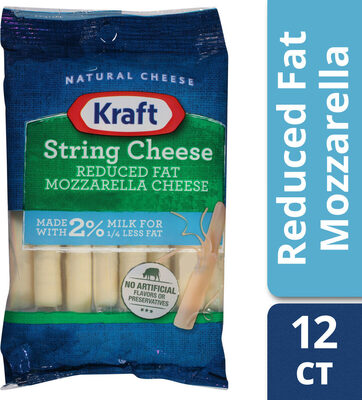
String cheese
- No added sugar
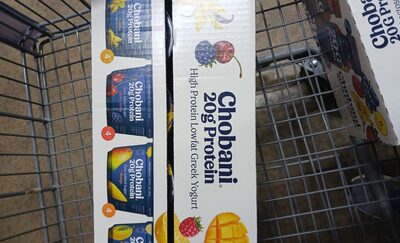
Zero Sugar Greek Yogurt
- No added sugar
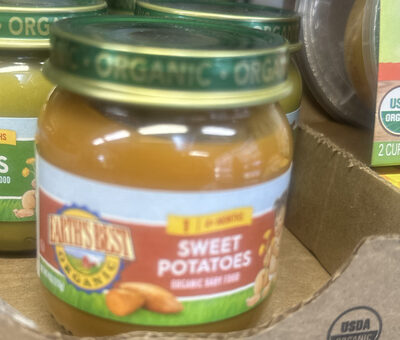
Sweet Potatoes First Stage
- No added sugar
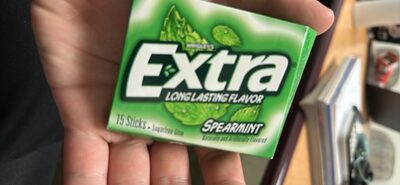
Spearmint Sugarfree Gum
- No added sugar
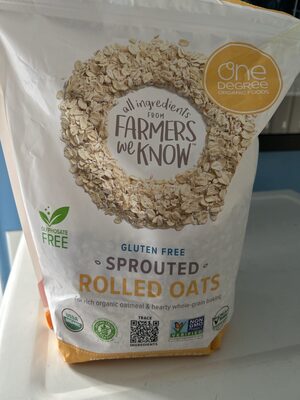
Sprouted Rolled Oats
- No added sugar
Frequently asked questions
Is corn syrup the same as high-fructose corn syrup?
No. Regular corn syrup is almost entirely glucose, with near-zero fructose. HFCS starts as corn syrup, then glucose isomerase converts part of that glucose to fructose (42% or 55% depending on the grade). Labels that say only "corn syrup" are a different ingredient with a different sugar profile. Both count as added sugar.
Does corn syrup count as added sugar?
Yes. FDA classifies sugars from syrups as added sugars. The Added Sugars gram line on the Nutrition Facts panel already includes corn syrup. Do not add a second corn-syrup number on top of that line.
Does "no HFCS" mean the product is low sugar?
No. A product can drop HFCS, replace it with corn syrup or cane sugar, and still show 12 g added sugars per serving. The "no HFCS" banner addresses one ingredient name, not the total gram count. The AHA 25 g child ceiling uses the Added Sugars line.
What should I do if corn syrup is the first ingredient?
When corn syrup is listed first, it is the dominant ingredient by weight. Multiply the Added Sugars grams by the number of servings the child eats, then compare with 25 g (ages 2 to 18) or 0 g (under 2). If one serving uses most of the daily ceiling, swap that product first.
Can USDA Organic kids food contain corn syrup?
Organic snacks can use organic corn syrup that meets NOP rules. Conventional corn syrup is not a typical National List exception, so it should not appear in a product carrying the USDA Organic seal. Organic corn syrup still adds grams to the Added Sugars line.
Is glucose syrup the same as corn syrup?
Yes. 21 CFR 184.1865 treats corn syrup, glucose sirup, and glucose syrup as the same GRAS identity. Imported products from Europe and Australia often print "glucose syrup" instead of "corn syrup." The source starch can also be wheat or potato, but the finished product is the same glucose polymer.
Related tools and guides
References
- eCFR. 21 CFR 184.1865 Corn syrup
- eCFR. 21 CFR 168.120 Glucose sirup
- FDA. Added Sugars on the Nutrition Facts Label
- CDC. Get the Facts: Added Sugars
- eCFR. 21 CFR 184.1866 High fructose corn syrup
- USDA AMS. The National List
- Vos et al., AHA / Circulation 2016. Added Sugars and Cardiovascular Disease Risk in Children
- Hofman et al., Crit Rev Food Sci Nutr 2015. Nutrition, Health, and Regulatory Aspects of Digestible Maltodextrins
- Brand-Miller et al., Nutrients 2013. Effect of Added Carbohydrates on Glycemic and Insulin Responses to Children's Milk Products
- Fidler Mis et al., JPGN 2017. Sugar in Infants, Children and Adolescents: A Position Paper of ESPGHAN
- Lustig et al., Obesity 2015. Isocaloric fructose restriction and metabolic improvement in children with obesity and metabolic syndrome
- USDA ERS. USDA ERS Sugar and Sweeteners Yearbook
Label guides are screening aids for packaged food, not a diagnosis. They are not a substitute for a pediatrician or registered dietitian. Added-sugar limits cited here come from AHA, CDC, FDA, and the Dietary Guidelines. Quantity always comes from the Nutrition Facts Added Sugars line.