Ingredient guide
Red 40 (Allura Red) in Kids' Food: ADI, Behavior Studies, and FDA Phase-Out
Red 40 (Allura Red, FD&C Red No. 40) is a batch-certified color additive (21 CFR 74.340) and the most widely used synthetic dye in US food. FDA's ADI is 7 mg per kg of body weight. Labels print the name, not the milligrams. OEHHA's 2021 report reviewed dozens of pediatric challenge studies and concluded that synthetic dyes are associated with adverse behavior in some children. In April 2025, FDA announced it will phase out all petroleum-based synthetic food dyes, including Red 40, by end of 2026. The January 2025 Red 3 revocation under the Delaney Clause is a separate action. Red 40 does not count as added sugar.
Reviewed September 2026
Not added sugar; FDA phase-out by end of 2026
FDA ADI is 7 mg/kg. OEHHA linked synthetic dyes to behavior effects in some children. FDA announced in April 2025 it will phase out all petroleum-based dyes including Red 40.
Also listed as: Red 40, FD&C Red No. 40, Allura Red, Allura Red AC, E129
What Red 40 is
FD&C Red No. 40 is a certified synthetic color additive. 21 CFR 74.340 identifies it as the disodium salt of 6-hydroxy-5-[(2-methoxy-5-methyl-4-sulfophenyl)azo]-2-naphthalenesulfonic acid. On kids packs, the name appears as Red 40, FD&C Red No. 40, Allura Red, or Allura Red AC. The EU number is E129.
FDA must certify each manufactured batch before it enters the US food supply. The batch check covers identity and impurity limits: lead at not more than 10 ppm, arsenic not more than 3 ppm, and total color at not less than 85%. It does not set a milligram count on any yogurt lid.
Red 40 is not an added sugar.
FDA allows Red 40 in foods generally, in amounts consistent with good manufacturing practice, except where a standard of identity blocks added color. The consumer-facing list of uses includes cereal, drinks, gelatins, puddings, dairy, and candy.
The 7 mg/kg ADI and why the pack omits milligrams
The US acceptable daily intake for Red 40 is 7 mg per kg of body weight per day, matching the JECFA figure. A 20 kg child has a 140 mg ceiling. A 30 kg child has 210 mg.
The pack never prints those milligrams.
OEHHA's 2021 California assessment estimated a geometric-mean total synthetic-dye intake of 0.22 mg/kg/day for children ages 5 to 18 from foods. Red 40 carried the highest food exposure among all certified dyes, followed by Yellow 5 and Yellow 6. Juice drinks, fruit-flavored drink powders, soft drinks, ice cream cones, breakfast cereals, and icings drove a large share.
A 2022 lab survey of ten food categories marketed to children found Red 40 was the most prevalent dye in every category. One juice-drink serving reached about 7% to 9% of the FDA ADI for a 6- to 10-year-old. Significant in-lot and between-lot variability appeared in some brands, meaning two boxes of the same cereal can differ in dye load.
Lehmkuhler and colleagues also measured certified dyes in children's over-the-counter syrups and gummy vitamins. Some cold and allergy syrups delivered more Red 40 in a single labeled dose than a typical food day.
15 kg child ADI
105 mg
20 kg child ADI
140 mg
30 kg child ADI
210 mg
60 kg adult ADI
420 mg
Red 40 next to nearby color names
| Name on the pack | What it is | FDA status | Added sugar |
|---|---|---|---|
| Red 40 / FD&C Red No. 40 / Allura Red | Certified azo dye | 21 CFR 74.340, batch certified | No |
| Red 3 / FD&C Red No. 3 / erythrosine | Certified xanthene dye | Authorization revoked Jan 2025; food reformulation by Jan 15, 2027 | No |
| Yellow 5 / tartrazine | Certified azo dye | 21 CFR 74.705 | No |
| Beet juice / annatto / paprika | Exempt (not batch-certified) colors | Still FDA-approved colors | No |
How to use this page in the snack aisle
Read the ingredient list for Red 40, FD&C Red No. 40, and Allura Red. Packs print the name and omit milligrams.
Then read Added Sugars grams. Many red fruit snacks carry both the dye and a large sugar load. Cut the grams even if you also want the dye gone.
If a child has a clinician-noted dye sensitivity or a behavior plan that removes synthetic colors, skip foods that list Red 40. FDA's 2011 Food Advisory Committee said most children have no adverse effect. It also said some children may be sensitive.
Formula and worked examples
ADI share equals milligrams of Red 40 times servings, divided by 7 times body weight in kg. You almost never have the milligrams, so the formula stays a ceiling check, not a lunchbox tally.
A 20 kg child has a 140 mg ADI. A juice drink that delivered 9% of the ADI in the 2022 food survey is about 13 mg in that one serving. Three of those drinks reach about 38 mg, still under 140 mg.
OEHHA's 0.22 mg/kg geometric-mean total-dye intake is 4.4 mg on a 20 kg child, describing a typical food day far under the 1960s-era ADI.
Added-sugar grams still use the AHA 25 g ceiling. A red pouch with 10 g added sugars uses 40% of that day whether or not Red 40 is present.
Dashed line: AHA child ceiling (25 g)
Fruit snack, 10 g
10 g
Juice drink, 15 g
15 g
Snack plus drink, 25 g
25 g
12 oz regular soda
About 40 g
Worked checks when Red 40 is on the list
| What you have | What you can calculate | What you cannot |
|---|---|---|
| Fruit snack lists Red 40, 10 g added sugars | 40% of the 25 g sugar ceiling | Milligrams of dye |
| Cold syrup lists Red 40 | Follow the labeled dose | Assume it is under a food-day dye load |
| Same snack, beet juice instead of Red 40, 10 g sugars | Still 40% of 25 g | A free-sugar pass because the color is "natural" |
| Child with a dye-avoid plan | Skip the name | A milligram compromise from this page |
How to read the result and what to do next
If you are cutting sugar, use remaining Added Sugars grams. If you are avoiding synthetic dye, filter on the name Red 40. Those are two separate aisle tasks.
FDA tells parents who want less color to read the ingredient list. Exempt colors (beet juice, annatto, paprika, turmeric) still have to be approved, but they skip batch certification and the EU behavioral warning requirement.
Behavior evidence versus the ADI
The 2007 Southampton trial gave 3-year-olds and 8- to 9-year-olds two dye-plus-sodium-benzoate mixes. Mix B included Allura Red (Red 40). Parent ratings of hyperactivity rose on the mix days in the community sample, but the trial was not a Red-40-only dose.
OEHHA reviewed 25 pediatric challenge studies as part of its systematic assessment. Sixteen (64%) showed some positive association with adverse behavioral outcomes. Thirteen (52%) were statistically significant. Miller and colleagues, publishing from that review in 2022, concluded that FDA's acceptable daily intakes rest on older toxicology studies that were not designed to detect the behavioral effects those trials measured. The review examined all seven batch-certified dyes, not Red 40 alone, and the challenge studies used dye mixtures more often than single compounds.
A 2024 review of synthetic food dyes in pediatric populations confirmed links between these color additives and a range of health problems in children, including behavioral changes, allergenic reactions, and gastrointestinal issues. Effects appeared in children both with and without diagnosed behavioral disorders.
Fatima and colleagues reviewed the mechanistic evidence in 2025 and identified oxidative stress, mitochondrial dysfunction, and disruption of dopamine and serotonin metabolism as pathways through which synthetic dyes may cause neuroinflammation and impaired impulse control in developing brains.
FDA still maintains that certified colors are safe when used as regulated. OEHHA and the challenge literature still report a behavior association in some children. A parent who already sees a behavior change off dyed foods should follow that observation with the clinician, not invent a new milligram ADI from this page.
Red 40 is not the Red 3 revocation
On January 15, 2025, FDA revoked authorization for FD&C Red No. 3 in food and ingested drugs under the Delaney Clause. Rat studies showed cancer by a male-rat hormonal mechanism that FDA says does not occur in humans. Food makers have until January 15, 2027 to reformulate. That action is Red 3 (erythrosine), not Red 40.
Red 40 remains listed at 21 CFR 74.340. Do not read a Red 3 headline as a Red 40 ban.
Where Red 40 shows up in kids food
Red 40 is the default red in fruit snacks, drink pouches, gelatin, cereal clusters, yogurt tubes, and candy. It also appears in some children's pain and cough syrups.
OEHHA's food list names categories, not brands. Juice drinks and reconstituted fruit powders were high-exposure items. A "10% juice" pouch that is mostly water, sugar, and Red 40 is a dye-plus-sugar product. Swap the pouch before hunting for dye in a ketchup packet.
A 2026 survey of 102 hydration beverages found that 87.5% of pediatric-marketed drinks contained at least one synthetic dye, with Red 40 the most common at 66.7%.
Lake pigments (Red 40 Lake) use the same dye bound to aluminum hydroxide so it does not bleed in coatings, icings, and ice cream cones. The ingredient list still has to name the certified color. "Lake" is a form, not a different chemical family.
State bans, FDA voluntary phaseout, and the EU warning
California signed AB 2316 into law in September 2024. The law bans Red 40, Yellow 5, Yellow 6, Blue 1, Blue 2, and Green 3 from food served in the state's public schools. It takes effect December 31, 2027. At least ten other states have introduced similar food-dye legislation since 2023.
In April 2025, FDA asked the food industry to voluntarily stop using synthetic food dyes, stopping short of an outright ban.
The EU has required warning labels on foods containing Red 40 and several other synthetic dyes since 2010. The sentence reads: "may have an adverse effect on activity and attention in children." Many companies that sell in Europe reformulated products to avoid the label. The same products sold in the US still contain synthetic dyes.
None of these actions rewrite 21 CFR 74.340 today. Red 40 remains a legal food color in the United States.
USDA Organic
Certified synthetic colors including Red 40 are not allowed in USDA Organic processed food. A USDA Organic mark means conventional Red 40 should not be in the jar. Beet juice, black-carrot concentrate, and paprika can still color the food.
An organic red pouch that uses beet color can still show 10 g added sugars. Changing the color does not change those grams.
Limits, edge cases, and safety
This page cannot convert a name into milligrams.
Batch-to-batch dye levels in the same brand can move, which is why the 2022 food survey reported in-lot and between-lot spread. AAP's 2018 food-additives report flagged synthetic colors as an exposure of concern for children and supported better labeling and more research. It did not set a kids milligram cap that replaces FDA's ADI.
People with a documented dye reaction need the clinician. This page is a label decoder.
Imported candy can use Allura Red under E129. The US name on a lawful import still has to meet FDA certification. A gray-market candy with no English ingredient list is a skip for more reasons than dye.
Buy the pack you can read. If you cannot name the dye, you cannot filter it.
Snacks that do not list Red 40
Open a product page in an aisle where this name is common. We check the stored ingredient text, not a front-of-pack claim.
A snack can skip red 40 and still add cane sugar or juice concentrate. Count the Added Sugars grams.
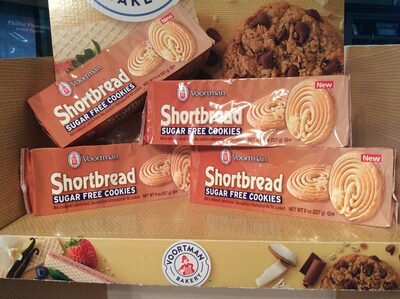
Shortbread Cookies zero sugar
- No added sugar
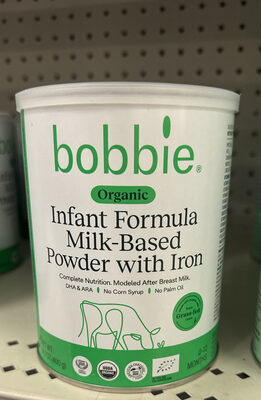
Infant Formula Milk-Based Powder With Iron
- No added sugar
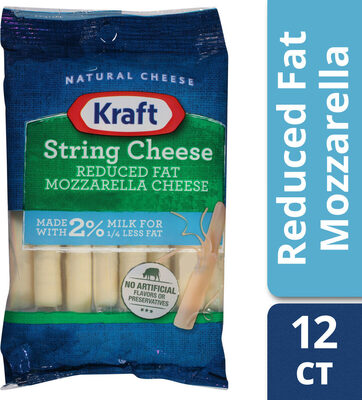
String cheese
- No added sugar
Zero Sugar Greek Yogurt
- No added sugar
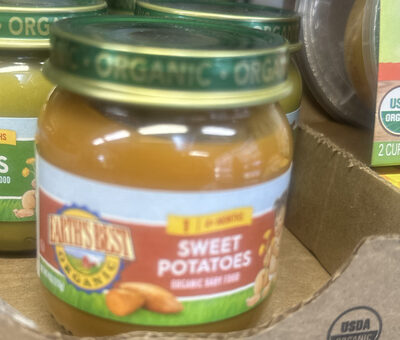
Sweet Potatoes First Stage
- No added sugar
Spearmint Sugarfree Gum
- No added sugar
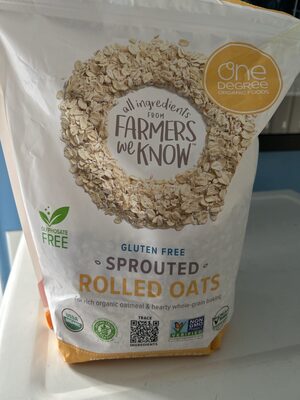
Sprouted Rolled Oats
- No added sugar
Frequently asked questions
Does Red 40 count as added sugar?
No. Red 40 is a color additive, not a sweetener or sugar. A fruit snack can show 0 g on the Added Sugars line and still list Red 40. Many red-colored snacks also carry 10 to 15 g of added sugars from other ingredients. The dye and the sugar are separate label checks.
How much Red 40 is safe for a child?
FDA's ADI is 7 mg per kg per day. A 20 kg child has a 140 mg ceiling. Labels do not print dye milligrams, so parents cannot finish the ADI calculation from a snack wrapper. OEHHA estimated that typical total synthetic dye intake for US children falls below published ADIs, but the behavior studies showed effects below those ADI levels.
Is FDA banning Red 40?
In April 2025, FDA announced it will phase out all petroleum-based synthetic food dyes, including Red 40, by end of 2026. Separately, FDA revoked FD&C Red No. 3 (erythrosine) on January 15, 2025 under the Delaney Clause, with a compliance deadline of January 2027. Red 40 is a different dye from Red 3.
Does Red 40 cause hyperactivity in children?
The 2007 Southampton trial included Allura Red in Mix B alongside other dyes and sodium benzoate and found increased hyperactive behavior in some children. OEHHA's 2021 report reviewed dozens of challenge studies and concluded synthetic dyes are associated with adverse behavior in susceptible children at intake levels below published ADIs. FDA states most children show no adverse effect but some may be sensitive.
Can USDA Organic kids food contain Red 40?
No. Certified synthetic colors are prohibited in USDA Organic processed food. Organic products use natural colorants such as beet juice, annatto, or turmeric instead. Organic sugar can still add grams to the Added Sugars line.
Is Red 40 in children's medicine?
Yes. Lehmkuhler measured Red 40 in children's cold syrups, pain relief liquids, and gummy vitamins. Doses stayed under the ADI, but some syrup formulations delivered more dye in a single dose than a child would get from a typical food day. Dye-free versions of most children's medicines exist.
Related tools and guides
References
- eCFR. 21 CFR 74.340 FD&C Red No. 40
- FDA. Color Additives Questions and Answers for Consumers
- FDA. Summary of Color Additives for Use in the United States
- OEHHA, 2021. Health Effects Assessment: Synthetic Food Dyes in Children
- Lehmkuhler et al., J Expo Sci Environ Epidemiol 2022. Exposures to FD&C dyes from OTC medications and vitamins
- Lehmkuhler et al., J Food Comp Anal 2022. Levels of FD&C certified food dyes in foods commonly consumed by children
- FDA, 2025. FDA to Revoke Authorization for the Use of Red No. 3
- McCann et al., Lancet 2007. Food additives and hyperactive behaviour in 3-year-old and 8/9-year-old children in the community
- CDC. Get the Facts: Added Sugars
- Miller et al., Environmental Health 2022. Potential impacts of synthetic food dyes on activity and attention in children: a review of the human and animal evidence
- USDA AMS. The National List
- AAP Policy Statement, 2018. Food Additives and Child Health
- California Legislature, 2024. California AB 2316 Pupil nutrition: school meals
- de Oliveira et al., Int J Environ Res Public Health 2024. Synthetic Colors in Food: A Warning for Children's Health
- Fatima et al., Annals of Medicine and Surgery 2025. Protecting developing brains: urgent need to regulate synthetic food dyes in children's diets
- Castro Polvorosa et al., 2026. Hydrating on the synthetic rainbow: Prevalence of synthetic food dyes in hydration drinks
Label guides are screening aids for packaged food, not a diagnosis. They are not a substitute for a pediatrician or registered dietitian. Added-sugar limits cited here come from AHA, CDC, FDA, and the Dietary Guidelines. Quantity always comes from the Nutrition Facts Added Sugars line.