Ingredient guide
Yellow 5 (Tartrazine) in Kids' Food: ADI, Allergies, and Mandatory Naming
Yellow 5 (tartrazine, FD&C Yellow No. 5) is a batch-certified color additive (21 CFR 74.705). FDA requires foods containing it, including butter, cheese, and ice cream, to declare the name specifically because some people report allergic-type reactions to tartrazine, including urticaria and, rarely, asthma. FDA's ADI is 5 mg per kg of body weight (JECFA uses 7.5 mg/kg). A 20 kg child has a 100 mg FDA ceiling. FDA's April 2025 announcement to phase out petroleum-based dyes by end of 2026 includes Yellow 5. Labels print the name, not the milligrams.
Reviewed September 2026
Not added sugar; must be named for allergy reasons
FDA ADI is 5 mg/kg (100 mg for a 20 kg child). Butter, cheese, and ice cream must declare the name. Included in the April 2025 dye phase-out by end of 2026.
Also listed as: Yellow 5, FD&C Yellow No. 5, tartrazine, E102
What Yellow 5 is
FD&C Yellow No. 5 is a certified synthetic color additive. The chemical name is the trisodium salt of 4,5-dihydro-5-oxo-1-(4-sulfophenyl)-4-[4-sulfophenyl-azo]-1H-pyrazole-3-carboxylic acid (CAS 1934-21-0), regulated under 21 CFR 74.705. Kids packs print Yellow 5, FD&C Yellow No. 5, or tartrazine. The EU number is E102.
FDA certifies each batch before it can enter the food supply. The specification caps 4-aminoazobenzene at 75 ppb and benzidine at 1 ppb. That is a factory gate check, not a child milligram line on the cereal box.
Yellow 5 is not a sweetener and does not count as added sugar. A lemon drink can list 0 g Added Sugars and still name Yellow 5.
FDA allows Yellow 5 in foods generally under good manufacturing practice, except where a standard of identity blocks added color. The consumer list includes confections, cereals, snacks, beverages, condiments, baked goods, and yogurt.
The label has to say Yellow 5
21 CFR 74.705(d)(2) requires foods that contain FD&C Yellow No. 5, including butter, cheese, and ice cream, to list it by name. Congress and FDA closed the old dairy color loophole because some people report allergic-type reactions to tartrazine, sometimes overlapping with aspirin sensitivity.
That naming rule is stricter than many other certified colors.
Prescription drugs that contain Yellow 5 must carry an additional warning: "This product contains FD&C Yellow No. 5 (tartrazine) which may cause allergic-type reactions (including bronchial asthma) in certain susceptible persons." Population rates are low, but a documented tartrazine-sensitive child is a clinician plan, not a guessing game at the grocery store.
If a bright lemon product says only "artificial color" or "color added," flip the pack. Certified colors used in foods generally must be declared by name. When the words FD&C Yellow No. 5 are missing on a product that looks like it should contain a yellow dye, pick another box or verify the actual color source.
Yellow 5 next to nearby color names on kids packs
| Name on the pack | What it is | US label rule | Added sugar |
|---|---|---|---|
| Yellow 5 / FD&C Yellow No. 5 / tartrazine | Certified azo dye | Must be named, including in butter, cheese, ice cream | No |
| Yellow 6 / Sunset Yellow | Certified azo dye | Declare the certified name | No |
| Red 40 / Allura Red | Certified azo dye | Declare the certified name | No |
| Turmeric / annatto / beta-carotene | Exempt colors | Name the color source | No |
The 5 mg/kg ADI and children's exposure
The US acceptable daily intake for Yellow 5 is 5 mg per kg of body weight per day. JECFA raised its own number from 7.5 to 10 mg/kg after reviewing the available evidence. This page uses the FDA number for US labels. A 20 kg child has a 100 mg FDA ceiling. The pack never prints those milligrams.
OEHHA put Yellow 5 second after Red 40 in children's food-dye exposure. The geometric-mean total synthetic-dye intake for ages 5 to 18 was 0.22 mg/kg/day across all certified dyes combined.
Miller and colleagues at OEHHA conducted a systematic review that identified 27 clinical trials of children exposed to synthetic food dyes. Of 25 challenge studies, 13 (52%) found a statistically significant positive association between dye exposure and adverse behavioral outcomes. The authors concluded that current FDA acceptable daily intakes may not protect the neurobehavioral endpoint because the original ADI studies were not designed to measure that outcome.
Rowe and Rowe ran a 21-day double-blind, placebo-controlled trial using tartrazine alone at six dose levels (1, 2, 5, 10, 20, and 50 mg). They identified 24 clear reactors among the children studied. Significant behavioral reactions, including irritability, restlessness, and sleep disturbance, appeared at all six doses, with a dose-response effect and prolonged symptoms above 10 mg.
15 kg child
75 mg
20 kg child
100 mg
30 kg child
150 mg
60 kg adult
300 mg
How to use this page in the snack aisle
Read the ingredient list for Yellow 5, FD&C Yellow No. 5, and tartrazine. Packs print the name and omit milligrams.
Then read Added Sugars grams. Yellow drinks and lemon cookies often carry both the dye and a sugar load. The dye is not in the sugar grams, and the sugar is not in the dye name. Run both checks on the same pack.
If a child has a clinician-noted dye or tartrazine plan, skip foods that list Yellow 5.
Formula and worked examples
ADI share equals milligrams of Yellow 5 times servings, divided by 5 times body weight in kg. You almost never have the milligrams.
A 20 kg child has a 100 mg FDA ADI. OEHHA's 0.22 mg/kg geometric-mean total-dye intake across all certified dyes is 4.4 mg on that child. That is a population average for the entire dye category, not a single-product figure for Yellow 5 alone.
Added-sugar grams still use the AHA 25 g ceiling. A yellow pouch with 12 g added sugars uses 48% of that day whether or not Yellow 5 is present.
A gummy vitamin that lists Yellow 5 is a daily-use product. Lehmkuhler and colleagues found children's vitamins and OTC medications among the dyed categories that contribute to cumulative exposure. Follow the labeled dose and read the color name the same way you read a snack label.
Dashed line: AHA child ceiling (25 g)
Lemon cookie, 8 g
8 g
Yellow drink, 12 g
12 g
Cookie plus drink, 20 g
20 g
12 oz regular soda
About 40 g
Worked checks when Yellow 5 is on the list
| What you have | What you can calculate | What you cannot |
|---|---|---|
| Cereal lists Yellow 5, 9 g added sugars | 36% of the 25 g sugar ceiling | Milligrams of dye in the bowl |
| Cheese puff lists Yellow 5, 0 g added sugars | Sugar meter is 0 g | A dye-free claim from the sugar line |
| Ice cream names FD&C Yellow No. 5 | The dye is present; read the grams too | Assume "artificial color" covers it |
| Child with a tartrazine plan | Skip the name | A milligram compromise from this page |
Behavior evidence and challenge trials
McCann and colleagues ran the 2007 Southampton trial that gave 3-year-olds and 8-to-9-year-olds drinks with Mix A (tartrazine, sunset yellow, carmoisine, ponceau 4R, and sodium benzoate) or Mix B (a different dye set). Parent hyperactivity scores rose on mix days. The trial tested a blend, not a Yellow 5 milligram dose in isolation.
Rowe and Rowe's tartrazine-only trial is one of the cleaner single-dye studies. The dose-response curve across 1 to 50 mg showed that some children reacted to as little as 1 mg. That is below what a single lemon cookie could contribute.
A 2025 review in Toxics collected in vitro and animal evidence on tartrazine across nervous system, liver, and oxidative stress endpoints. The authors reported that experimental studies have associated tartrazine with hyperactivity, irritability, restlessness, and sleep disturbances in children, and recommend limiting synthetic dye intake in children's diets.
A separate 2025 animal study gave tartrazine to rats daily for 10 months at doses within and above the ADI. The group treated within the ADI showed impairment in long-term memory compared to controls. Motor activity and anxiety did not change. The authors concluded that prolonged tartrazine use, even within the ADI, can cause mild cognitive impairment.
FDA still states that certified colors are safe when used as regulated. OEHHA still reports a behavior association in many challenge studies. Those two sentences belong next to each other.
FDA announces synthetic dye phaseout
On April 22, 2025, HHS and FDA announced a plan to phase out all petroleum-based synthetic dyes from the US food supply. The announcement named Yellow 5 among the six remaining certified dyes targeted for elimination by the end of 2026.
FDA is fast-tracking review of natural alternatives: calcium phosphate, Galdieria extract blue, gardenia blue, butterfly pea flower extract, and others.
The phaseout is an administration initiative, not a final rule. As of this writing, 21 CFR 74.705 still lists Yellow 5 as permanently listed with certification required. If the phaseout goes through, manufacturers will need to reformulate products that currently use Yellow 5. Until then, the dye remains legal in food, and packs still have to name it.
California signed a separate law in September 2024. AB 2316, the California School Food Safety Act, bans Yellow 5 and five other synthetic dyes from food served in public schools starting December 31, 2027. That cafeteria rule does not pull Yellow 5 off grocery shelves.
Regulatory timeline for Yellow 5 as of mid-2025
| Action | Date | Scope | Status |
|---|---|---|---|
| FDA original listing | 1969 (reaffirmed) | All US food | Still in effect |
| OEHHA behavior report | April 2021 | California risk assessment | Published |
| California AB 2316 school ban | September 2024 | CA public school food only | Signed, effective Dec 2027 |
| FDA Red 3 revocation | January 2025 | Red 3 only, not Yellow 5 | Final |
| FDA synthetic dye phaseout announcement | April 2025 | All 6 remaining certified dyes | Announced, not yet a final rule |
Where Yellow 5 shows up in kids food
Yellow 5 is the default lemon, lime, and "cheddar" tint in snacks, cereals, drinks, pickles, yogurt, and frosting. Combined with Blue 1 it makes some greens. Combined with Red 40 it makes some oranges.
Pickle relish and mustard are easy to miss because parents hunt fruit snacks first.
Children's gummy vitamins often use Yellow 5 with Red 40 to make a "tropical" blend. Lehmkuhler treated vitamins as a daily-use exposure, not a birthday candy. If the child already eats dyed cereal and a dyed drink, the vitamin is a third listing on the same day.
Some children's cough syrups and chewable medications also contain Yellow 5. Read those labels the same week you read the pantry. A 2025 review noted that medicines and vitamins are an overlooked source of tartrazine exposure in children, particularly because the dye serves no therapeutic purpose in those products.
USDA Organic
Certified synthetic colors such as Yellow 5 are not allowed in USDA Organic processed food. A USDA Organic mark means conventional Yellow 5 should not be in the jar.
Organic sugar can still add grams. Turmeric can still color the food. The seal answers a production-method question, not a dye-free-plus-sugar-free question.
Limits, edge cases, and safety
This page cannot convert a name into milligrams. Dye levels vary by product and lot.
AAP 2018 flagged synthetic colors as an exposure of concern for children and called for a stronger FDA review posture. It did not replace FDA's 5 mg/kg ADI with a new number.
FDA's January 2025 Red 3 revocation is a different dye. Yellow 5 remains listed at 21 CFR 74.705 until the phaseout takes effect or the rule is amended.
A child who reacts to aspirin may also react to tartrazine. The overlap is documented in the drug labeling regulation at 21 CFR 74.1705. If that history exists, a clinician plan takes priority over any ADI arithmetic.
Yellow 5 often travels with Yellow 6 and Red 40 in the same product. A cheddar puff that lists two or three azo dyes is using a blend for one orange shade. If you are on a dye-avoid plan, all those names are skips. If you are counting sugar only, read the Added Sugars line and ignore the tint. Write Yellow 5 on the filter list so a 0 g sugar win does not hide a dye you meant to drop.
Snacks that do not list Yellow 5
Open a product page in an aisle where this name is common. We check the stored ingredient text, not a front-of-pack claim.
A snack can skip yellow 5 and still add cane sugar or juice concentrate. Count the Added Sugars grams.
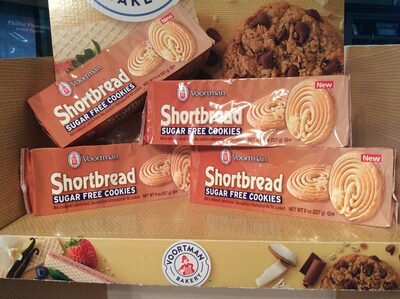
Shortbread Cookies zero sugar
- No added sugar
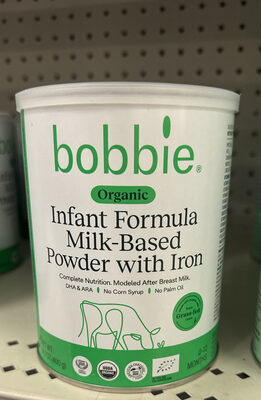
Infant Formula Milk-Based Powder With Iron
- No added sugar
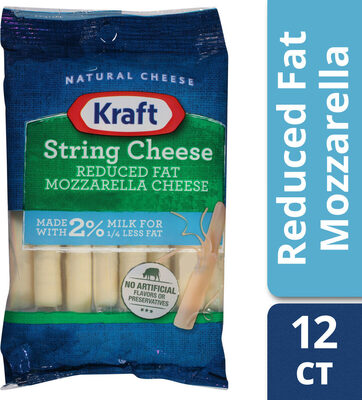
String cheese
- No added sugar
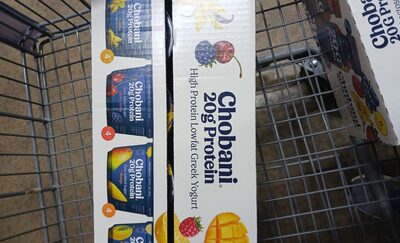
Zero Sugar Greek Yogurt
- No added sugar
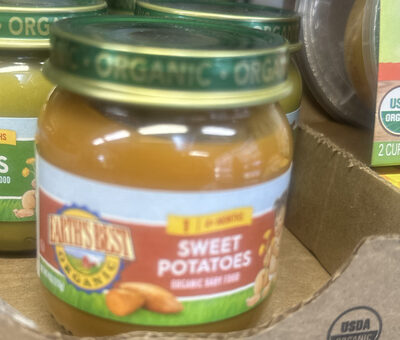
Sweet Potatoes First Stage
- No added sugar
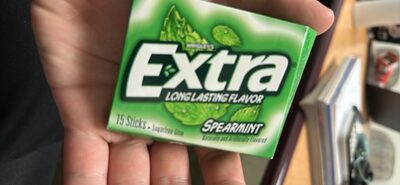
Spearmint Sugarfree Gum
- No added sugar
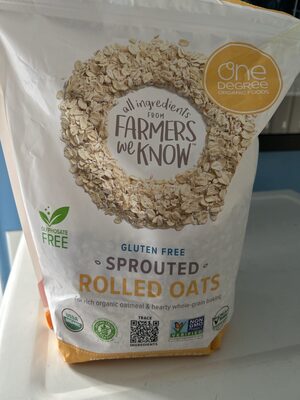
Sprouted Rolled Oats
- No added sugar
Frequently asked questions
Does Yellow 5 count as added sugar?
No. Yellow 5 is a color additive, not a sweetener. A lemon drink can show 0 g on the Added Sugars line and still contain tartrazine. The dye and the sugar are separate label checks.
Why does ice cream have to list Yellow 5 by name?
21 CFR 74.705 specifically requires foods containing FD&C Yellow No. 5, including butter, cheese, and ice cream, to declare the name. FDA added this requirement because some people report allergic-type reactions to tartrazine, including hives and, in rare cases, asthma. Before the rule, dairy products could use the generic term "artificial color."
How much Yellow 5 is safe for a child?
FDA set the ADI at 5 mg per kg per day. A 20 kg child has a 100 mg ceiling. JECFA uses a higher value of 7.5 mg/kg. Labels do not print dye milligrams. This site uses the FDA number for US labels.
Does Yellow 5 cause hyperactivity in children?
The 2007 Southampton trial included tartrazine in Mix A alongside other dyes and sodium benzoate. Both OEHHA (2021) and Miller (2022) reviewed dozens of challenge studies and reported a behavior association in susceptible children. FDA states most children show no adverse effect but acknowledges some may be sensitive. A clinician-directed dye elimination is a binary skip, not a milligram negotiation.
Can USDA Organic kids food contain Yellow 5?
No. Certified synthetic colors are prohibited in USDA Organic processed food. Organic products use natural colorants like turmeric (for yellow) or annatto. Organic sugar in the same product can still add grams.
Is Yellow 5 part of the FDA dye phase-out?
Yes. FDA's April 2025 announcement to phase out petroleum-based synthetic food dyes by end of 2026 includes Yellow 5. The January 2025 Red 3 revocation under the Delaney Clause was a separate, earlier action based on a different legal mechanism.
Related tools and guides
References
- eCFR. 21 CFR 74.705 FD&C Yellow No. 5
- FDA. Color Additives Questions and Answers for Consumers
- eCFR. 21 CFR 74.1705 FD&C Yellow No. 5 (drug use, including tartrazine warning)
- FDA. Summary of Color Additives for Use in the United States
- OEHHA. Health Effects Assessment: Synthetic Food Dyes in Children
- Miller et al., Environmental Health 2022. Potential impacts of synthetic food dyes on activity and attention in children (Miller et al. 2022)
- Rowe and Rowe, J Pediatrics 1994. Synthetic food coloring and behavior: a dose response effect in a double-blind, placebo-controlled study (Rowe and Rowe 1994)
- Lehmkuhler et al., J Expo Sci Environ Epidemiol 2022. Exposures to FD&C dyes from OTC medications and vitamins (Lehmkuhler et al.)
- CDC. Get the Facts: Added Sugars
- Visternicu et al., Toxics 2025. Toxicological Effects of Tartrazine Exposure: A Review (Visternicu et al. 2025)
- Rodrigues et al., J Mol Neurosci 2025. Cognitive and Behavioral Effects of Chronic Tartrazine Use (Rodrigues et al. 2025)
- McCann et al., Lancet 2007. Food additives and hyperactive behaviour (McCann et al. 2007)
- FDA, April 2025. HHS, FDA to Phase Out Petroleum-Based Synthetic Dyes from the Nation's Food Supply
- California Legislature, September 2024. California AB 2316 School Food Safety Act
- FDA, January 2025. FDA to Revoke Authorization for the Use of Red No. 3
- USDA AMS. The National List
- AAP, 2018. Food Additives and Child Health (AAP policy)
Label guides are screening aids for packaged food, not a diagnosis. They are not a substitute for a pediatrician or registered dietitian. Added-sugar limits cited here come from AHA, CDC, FDA, and the Dietary Guidelines. Quantity always comes from the Nutrition Facts Added Sugars line.