Ingredient guide
Sucralose in Kids' Food: ADI, Labels, and Safety
Sucralose is a chlorinated sugar derivative about 600 times sweeter than table sugar. FDA regulates it as a food additive (21 CFR 172.831) with an acceptable daily intake of 5 mg per kg of body weight per day. A 20 kg child has a 100 mg daily ceiling. Sucralose does not count as added sugar, so a yogurt can show 0 g on the Added Sugars line and still list sucralose in the ingredients. The AHA 25 g ceiling still applies to any cane sugar or syrup in the same product. Labels print the name, not the milligrams.
Reviewed September 2026
Not added sugar; FDA ADI is 5 mg/kg
A 20 kg child has a 100 mg daily ceiling. Labels omit milligrams, so you cannot finish the ADI math from most packs.
Also listed as: sucralose, Splenda, E955, high-intensity sweetener
What sucralose is
Sucralose is a high-intensity sweetener manufactured by swapping three hydroxyl groups on a sucrose molecule with chlorine atoms. The result tastes about 600 times sweeter than table sugar and contributes almost no calories at the amounts used in food. FDA regulates it as a food additive under 21 CFR 172.831, not as GRAS.
Kids packs print "sucralose." The brand name is Splenda.
Heat stability sets it apart from aspartame, which loses sweetness when baked. Sucralose holds up in pasteurized drinks, no-sugar-added cookies, shelf-stable mixes, and frozen treats. That thermal resilience is why it appears in categories aspartame cannot occupy.
Sucralose is not an added sugar. The Nutrition Facts Added Sugars line does not include it. A yogurt can list 0 g added sugars and still name sucralose in the ingredient list. A 2025 review noted that sucralose crosses the placental barrier and enters breast milk, meaning fetal and infant exposure can begin before a child ever sees a food label.
FDA approval and the 5 mg/kg ADI
FDA approved sucralose for 15 food categories in 1998 and expanded it to general-purpose use in 1999. The regulation allows use "in an amount not more than current good manufacturing practice requires." The US acceptable daily intake is 5 milligrams per kilogram of body weight per day, built from animal toxicology with a standard safety factor. After the 1999 expansion, FDA put the 90th percentile consumer at about 2.4 mg/kg/day, still under 5.
EFSA keeps a higher ADI of 15 mg/kg/day for the European designation E 955. This page uses the FDA number for US labels.
FDA publishes a household reference: a 60 kg adult would need about 23 tabletop packets a day to reach the ADI, assuming each packet holds about 13 mg of sucralose. A 20 kg child reaches the same limit with about 8 packets. A 15 kg toddler reaches it with about 6. Those are ceiling exercises, not serving suggestions.
15 kg child
75 mg
20 kg child
100 mg
30 kg child
150 mg
60 kg adult (FDA packet chart)
300 mg
How sucralose compares with sugar and other sweeteners on a kids label
| Sweetener | What it is | Added sugar on the US label | US ADI if published |
|---|---|---|---|
| Sucralose | Chlorinated sucrose, about 600× sugar | No | 5 mg/kg/day |
| Aspartame | Dipeptide, about 200× sugar | No | 50 mg/kg/day |
| Acesulfame potassium | Ace-K, often paired with sucralose | No | 15 mg/kg/day |
| Sucrose or HFCS | Caloric sugars | Yes | No ADI; AHA uses 25 g/day ages 2 to 18 |
| Stevia (Reb A) | Purified steviol glycoside, GRAS notices | No | JECFA 4 mg/kg as steviol |
| Sugar in intact fruit or plain milk | Lactose or fruit sugar | No | Not an additive |
How to use this page in the snack aisle
Read the ingredient list for sucralose. Then check the Added Sugars line. Sucralose does not add to that gram line, but cane sugar, juice concentrate, or dextrose in the same product still does.
Tabletop packets blend sucralose with dextrose or maltodextrin so the powder fills a scoop. That carrier can add a gram of carbohydrate. The 0-calorie claim refers to sucralose, not always to the whole packet.
AAP notes that manufacturers list the name but are not required to print milligrams of sucralose. You cannot calculate a precise ADI share from the panel the way you can for Added Sugars. Treat the ingredient name as a yes or no signal, then use body-weight math only when you have a published milligram amount from a packet chart, a clinician, or a manufacturer spec.
For children under 2, AAP gives no specific NNS guidance. If the pediatrician has not cleared a daily diet-drink habit at that age, skip it.
Formula and worked examples
Share of the FDA ADI equals sucralose milligrams times servings, divided by 5 times body weight in kilograms.
A 20 kg child has an ADI of 100 mg. One FDA-style packet at about 13 mg uses 13% of that day. Seven such packets would use about 90%. A yogurt cup does not tell you its milligrams, so the formula stops at the name.
A drink that lists sucralose and 0 g added sugars does not touch the AHA 25 g sugar ceiling. Sucralose still counts toward the 5 mg/kg ADI if you have milligrams. The same drink with sucralose plus 8 g added sugars from juice concentrate uses 32% of the 25 g day. Two separate meters run at once.
Dashed line: About 6 packets at 15 kg (6 packets)
15 kg child
About 6
20 kg child
About 8
30 kg child
About 11
60 kg adult (FDA chart)
23
Worked ADI checks using FDA packet assumptions (about 13 mg sucralose each)
| What you have | Sucralose | Share of ADI | What to do next |
|---|---|---|---|
| 20 kg child, 1 FDA-style packet | About 13 mg | 13% of 100 mg | Fits if the rest of the day is unsweetened |
| 20 kg child, 8 packets | About 104 mg | About 100% | At the line; do not add diet soda on top |
| 15 kg child, 6 packets | About 78 mg | Over 75 mg | Over the FDA ADI for that weight |
| Diet drink, 0 g added sugars, mg unknown | Name only | Cannot compute | Count it as an NNS serving; watch the rest of the day |
| Child under 2, any sucralose food | Name on the list | No AAP number | Ask the pediatrician before a daily habit |
How to read the result and what to do next
A 0 g Added Sugars stamp is not a sucralose-free stamp. Water and plain milk skip both the sugar meter and the ADI meter.
WHO published a 2023 conditional recommendation against using non-sugar sweeteners to control weight or cut noncommunicable-disease risk, citing possible associations with increased type 2 diabetes in long-term observational studies. That guideline covers sucralose along with five other NNS. It does not replace the 5 mg/kg ADI, and WHO rates the certainty of the evidence as low.
If the child has diabetes and a clinician set a sweetener plan, follow that plan.
What US kids consume, and what labels omit
There is no official USDA table for milligrams of sucralose eaten each day by children ages 2 to 18.
AAP, using NHANES 2009-2012, reported that more than one quarter of US children consumed a nonnutritive sweetener, and about 80% of those children did so daily. The survey captured the category, not sucralose grams. AAP reaffirmed its 2019 policy in August 2025 and still asks manufacturers to print the amount of each nonnutritive sweetener. Until that happens, a parent cannot finish the ADI formula from a yogurt lid.
Where sucralose shows up in kids food
Diet sodas, flavored drink mixes, sugar-free pudding and gelatin, no-sugar-added ketchup, chewing gum, protein drinks, and some yogurts and fruit cups sold as reduced sugar. Heat stability puts sucralose in baked "no sugar added" snacks that aspartame cannot occupy.
Many diet drinks pair sucralose with acesulfame potassium. Both names belong on the ingredient list. Run each ADI separately if you ever get milligrams. The two ceilings do not combine into one shared limit.
A "natural" or "no added sugar" banner does not ban sucralose.
The sucralose-6-acetate question
Sucralose-6-acetate is both a manufacturing impurity and a gut metabolite. A 2023 study by Schiffman and colleagues found sucralose-6-acetate at up to 0.67% in commercial sucralose samples. Rat fecal samples showed levels reaching 10% relative to sucralose, suggesting the gut itself acetylates some of the parent compound.
In vitro screening classified sucralose-6-acetate as clastogenic, meaning it can break DNA strands. The amount in a single daily sucralose-sweetened drink could exceed the threshold of toxicological concern for genotoxicity of 0.15 micrograms per person per day. Sucralose-6-acetate also impaired intestinal barrier integrity in human colon epithelium (TEER measurements) and upregulated genes associated with inflammation and oxidative stress.
That study used screening assays, not regulatory-grade in vivo tests.
A 2026 response used OECD-compliant good laboratory practice protocols on commercial-grade sucralose. The bacterial reverse mutation assay, in vitro and in vivo micronucleus assays, a ToxTracker assay, and a Muta Mouse transgenic rodent assay all returned negative for genotoxicity. An in vivo comet assay showed borderline DNA damage in several tissues, but the authors cited low control tail intensities and non-normal hedgehog distributions as complicating factors. The transgenic rodent assay found no increase in mutation rates. The authors concluded that commercial-grade sucralose is non-genotoxic.
The two papers tested different things. Schiffman tested the acetate metabolite at isolated concentrations using high-throughput screens. Gujral tested the commercial product using the battery regulators accept for safety decisions. Neither resolves whether lifelong low-level acetate exposure in a growing child matters. FDA has not changed the ADI or issued a safety alert based on either paper.
Metabolic and microbiome evidence
FDA reviewed more than 110 studies before approval, covering reproductive, nervous-system, carcinogenicity, and diabetes-metabolism endpoints. The agency still states that sucralose is safe for the general population under approved uses.
A 10-week open-label trial gave 48 mg sucralose per day to 20 healthy young adults while 20 controls drank water. The sucralose group showed a threefold increase in Blautia coccoides and a 34% decrease in Lactobacillus acidophilus. Serum insulin and the area under the glucose curve both rose compared with the water group. Ten weeks is the longest controlled human feeding trial on sucralose microbiota to date.
A shorter 2020 crossover trial in 17 adults used 136 mg per day for two weeks. Stool taxa and short-chain fatty acids did not shift. Duration likely explains the disagreement: two weeks may not be long enough for bacterial populations to remodel.
Animal models show dose-dependent reductions in Bifidobacteria and Lactobacilli, plus shifts in the Bacteroidetes-to-Firmicutes ratio. A 2022 review concluded that in vitro and rodent evidence links sucralose consumption to microbiota changes, but most short-term human trials below the ADI found no significant effect. The reviewers asked for longer studies that record baseline microbiota and dietary habits.
A 2026 comprehensive review consolidated the metabolic picture: altered incretin and T1R2/T1R3 sweet-taste receptor signaling, hepatic insulin resistance in animal models, and glucose intolerance that appears more pronounced in metabolically vulnerable individuals. The authors noted that standard toxicology datasets support regulatory safety findings but called for multi-omics human studies at dose-relevant levels.
AAP says higher-quality short-term data show weight stability when NNS replace calories, and that use in isolation is unlikely to produce meaningful weight loss. Observational studies also link NNS intake with metabolic syndrome. Causation is not settled. Replace the diet drink with water, not with a regular soda.
USDA Organic, "natural," and WHO
Sucralose is a synthetic food additive. It does not appear on the USDA Organic National List of allowed nonorganic ingredients. A USDA Organic mark means conventional sucralose should not be in the product. Organic cane sugar can still add grams.
"Natural flavor" or "naturally sweetened" on the front does not answer the sucralose question. Read the list.
WHO's 2023 non-sugar-sweetener guideline covers sucralose as one of several NNS. The guideline is a dietary-pattern suggestion issued at conditional certainty: do not rely on NNS for weight control. It does not rewrite 21 CFR 172.831 or change the ADI.
Limits, edge cases, and safety
This page does not diagnose glucose intolerance or a gut disorder. It does not estimate milligrams in a product that only lists the name.
People who report headache or GI upset after diet drinks can stop that product and tell a clinician. FDA takes adverse-event reports for food additives. A personal reaction is not a population ADI change.
Sucralose is not contraindicated for phenylketonuria. That warning belongs to aspartame.
A 2025 review flagged sucralose as highly persistent in the environment and structurally similar to chlorinated compounds like PFAS. Wastewater treatment does not fully remove it, and aquatic organisms exposed to sucralose show behavioral and metabolic changes. That is an environmental concern, not a direct child-health ADI issue, but it tracks with the broader regulatory conversation about cumulative low-level exposures.
Packets sold for coffee are not a pediatric dosing device. If a school "sugar-free" bake sale uses sucralose mixes, the child ate a sweet baked snack. Count the rest of the day's added sugars from frosting and juice.
Snacks that do not list Sucralose
Open a product page in an aisle where this name is common. We check the stored ingredient text, not a front-of-pack claim.
A snack can skip sucralose and still add cane sugar or juice concentrate. Count the Added Sugars grams.
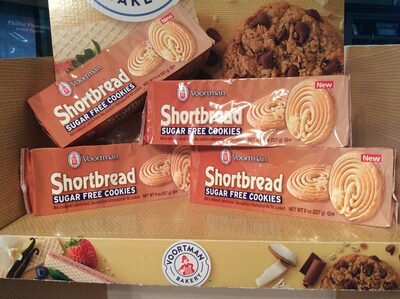
Shortbread Cookies zero sugar
- No added sugar
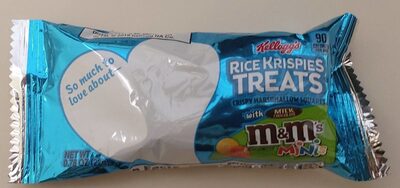
Rice Krispies- M&M minis
- No added sugar
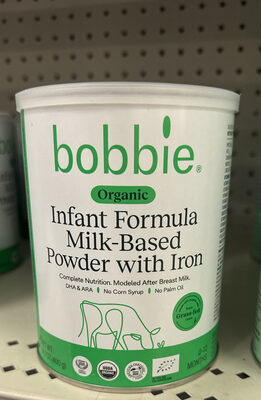
Infant Formula Milk-Based Powder With Iron
- No added sugar
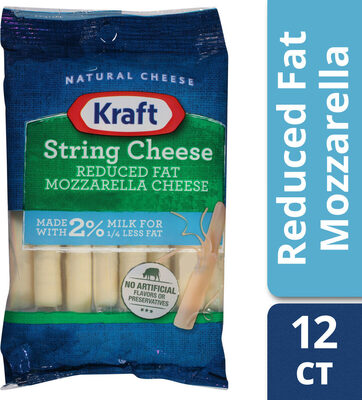
String cheese
- No added sugar
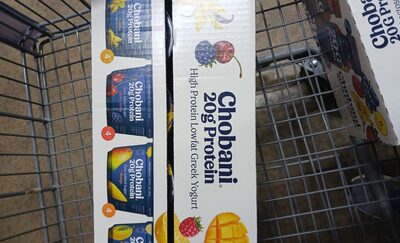
Zero Sugar Greek Yogurt
- No added sugar
Sweet Potatoes First Stage
- No added sugar
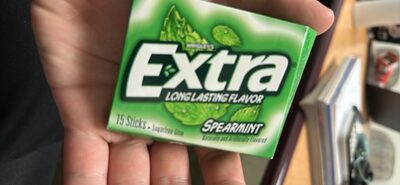
Spearmint Sugarfree Gum
- No added sugar
Frequently asked questions
Does sucralose count as added sugar?
No. Sucralose is a high-intensity sweetener, not a sugar. A yogurt can show 0 g on the Added Sugars line and still list sucralose in the ingredients. If the same product also contains cane sugar, those grams still count toward the AHA 25 g child ceiling.
How much sucralose is safe for a child?
FDA set the ADI at 5 mg per kg of body weight per day. A 20 kg child has a 100 mg ceiling. A 30 kg child has 150 mg. FDA's adult packet chart assumes about 13 mg per packet. Labels on drinks and yogurt do not print sucralose milligrams, so parents cannot finish the ADI calculation from most products. AAP gives no specific guidance for children under 2.
Is sucralose the same as Splenda?
Splenda is a brand name for sucralose. The ingredient list always says "sucralose," not "Splenda." Tabletop Splenda packets mix sucralose with dextrose or maltodextrin as bulking agents so the powder fills the packet.
Does sucralose affect gut bacteria?
A 2020 adult crossover trial at 136 mg sucralose per day for two weeks found no change in stool microbiota or short-chain fatty acids. A separate 2022 study found shifts in gut bacteria after 10 weeks of daily sucralose in adults. Neither is a pediatric trial. FDA has not changed the ADI based on gut microbiome studies.
Can USDA Organic kids food contain sucralose?
No. Sucralose is a synthetic food additive and does not appear on the USDA Organic National List. A product with the USDA Organic seal should not contain sucralose. Organic sugar in the same product still adds grams.
Did WHO ban sucralose for kids?
No. WHO's 2023 guideline conditionally recommends against using non-sugar sweeteners to control body weight. That is a diet-pattern suggestion, not a safety ban. WHO stated the advice does not replace JECFA or national ADIs. FDA's 5 mg/kg ADI remains unchanged.
Related tools and guides
References
- FDA. Aspartame and Other Sweeteners in Food
- Cornell LII / eCFR. 21 CFR 172.831 Sucralose
- FDA. High-Intensity Sweeteners
- FDA. Safe Levels of Sweeteners (packet chart)
- FDA. Added Sugars on the Nutrition Facts Label
- Baker-Smith et al., AAP Pediatrics 2019 (reaffirmed 2025). The Use of Nonnutritive Sweeteners in Children
- AAP HealthyChildren. Sweeteners and Sugar Substitutes: Parent FAQs
- WHO, 2023. Use of non-sugar sweeteners: WHO guideline
- Ahmad et al., Nutrients 2020. The Effects of Non-Nutritive Artificial Sweeteners, Aspartame and Sucralose, on the Gut Microbiome in Healthy Adults
- del Pozo et al., Nutrients 2022. Potential Effects of Sucralose and Saccharin on Gut Microbiota: A Review
- Méndez-García et al., Microorganisms 2022. Ten-Week Sucralose Consumption Induces Gut Dysbiosis and Altered Glucose and Insulin Levels in Healthy Young Adults
- Tkach et al., Nutrients 2025. Sucralose: A Review of Environmental, Oxidative and Genomic Stress
- Schiffman et al., J Toxicol Environ Health B 2023. Toxicological and pharmacokinetic properties of sucralose-6-acetate and its parent sucralose: in vitro screening assays
- Gujral et al., Food Chem Toxicol 2026. Genotoxicity and Mutagenicity of Commercial-Grade Sucralose: No Concerns in Modern Bioassays
- Qadir et al., Int J Food Sci Technol 2026. Sucralose and Human Health: Metabolic, Microbiome, Neuroendocrine, Toxicological, and Environmental Perspectives
- USDA AMS. The National List
Label guides are screening aids for packaged food, not a diagnosis. They are not a substitute for a pediatrician or registered dietitian. Added-sugar limits cited here come from AHA, CDC, FDA, and the Dietary Guidelines. Quantity always comes from the Nutrition Facts Added Sugars line.