The short answer
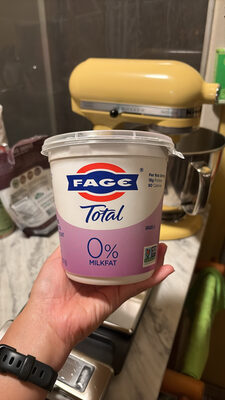
Plain yogurt is the lowest-sugar yogurt you can buy for a child, full stop. Plain whole-milk yogurt has 0g added sugar. The 5 or 6 grams of sugar you see on the label is lactose, the sugar that is naturally in milk.
Flavored kids’ yogurt is a different product. Most flavored cups and tubes add between 4 and 12 grams of sugar per serving. For a child aged 2 to 18, the American Heart Association’s daily limit is under 25 grams of added sugar (AHA scientific statement). A single flavored cup can take a third of that before lunch.
The list on this page is every yogurt in our catalog with 3g or less of added sugar, rated Tier A to C.
How to read a yogurt label in 10 seconds
Yogurt confuses parents more than any other dairy food because Total Sugars is never zero. Milk always brings some lactose.
Look at one line only: Includes Xg Added Sugars. That line is what the AHA limit refers to, and it’s what our tiers are built on.
| What you see | What it means |
|---|---|
| Total Sugars 5g, Added Sugars 0g | All lactose from milk. Tier B. |
| Total Sugars 6g, Added Sugars 0g, fruit listed | Lactose plus a little fruit sugar. Still Tier B. |
| Total Sugars 9g, Added Sugars 6g | Sugar or syrup was added. Tier E on our scale. |
| Total Sugars 0g, Added Sugars 0g | Lactose-filtered or ultrafiltered milk, sweetened with stevia or monk fruit. Tier A. |
FDA’s rule is simple: sugar from plain milk doesn’t count as added. Cane sugar, honey, syrups and fruit juice concentrates used to sweeten do (FDA, Added Sugars on the Nutrition Facts Label).
What popular kids’ yogurts actually contain
Numbers below come from manufacturer pages and the USDA Branded Foods database as of October 2026. Recipes change, so check your carton.
| Yogurt | Serving | Added sugar | Notes |
|---|---|---|---|
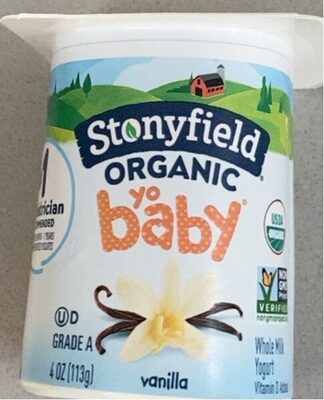
| Stonyfield YoBaby Plain (whole milk) | 4 oz cup (113g) | 0g | 5g total sugar, 4g protein |
| Stonyfield YoBaby Apple Blueberry | 4 oz cup (113g) | 0g | 6g total, sweetened with fruit only |
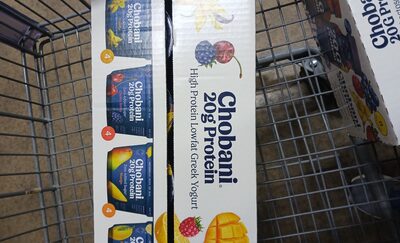
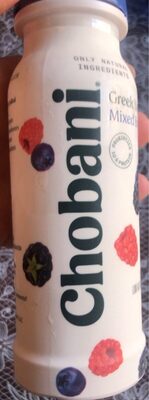
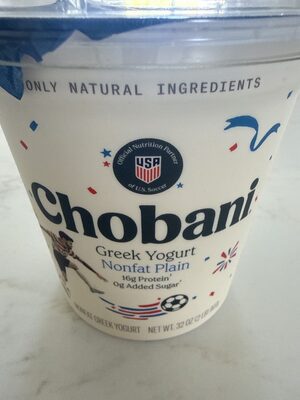
| Chobani Plain Whole Milk Greek | ¾ cup (170g) | 0g | About 15g protein |
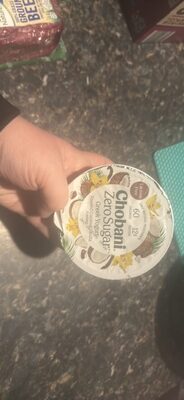
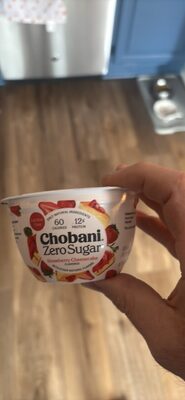
| Chobani Zero Sugar (flavored) | 5.3 oz (150g) | 0g | 0g total; uses allulose, stevia and monk fruit |
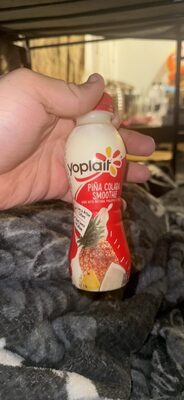
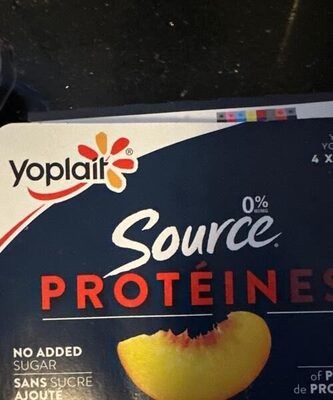
| Danimals Smoothie | 3.1 fl oz | Check label | 6g total sugar after a 2026 recipe cut; no artificial colors |
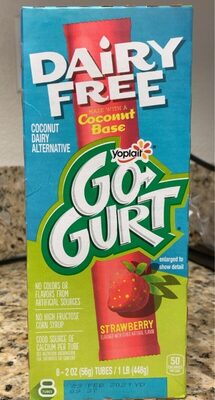
| Go-Gurt Berry and Cherry | 1 tube (57g) | 6g | 18g added in three tubes |
| Flavored “fruit on the bottom” cups | 5.3 oz (150g) | 8 to 10g | Typical range across major brands |
Two things stand out.
First, the tube format. One Go-Gurt tube has 6g added sugar, and kids rarely eat just one. Three tubes is 18g, which is most of a child’s daily limit.
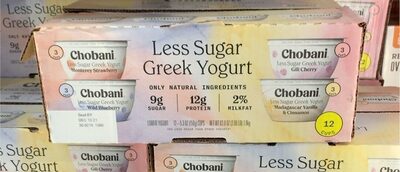
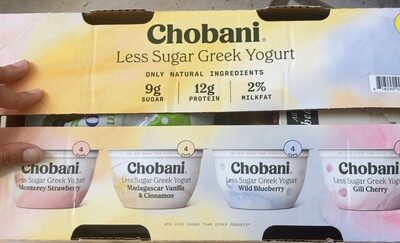
Second, “less sugar” isn’t zero. Several “less sugar” and “reduced sugar” lines still list 4 to 6g of added sugar per cup. That’s better than 10g, but it’s Tier D or E on our scale, not Tier C.
Greek, regular, or drinkable?
Greek yogurt is strained, so it has roughly twice the protein of regular yogurt per cup and a little less lactose. Plain Greek is one of the most filling snacks you can pack. The tartness is the trade-off.
Regular plain yogurt is milder and easier for toddlers to accept. It has less protein, but for a child who already drinks milk, that rarely matters.
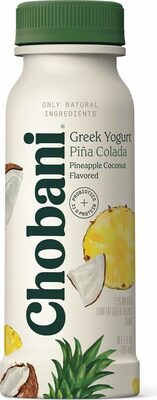
Drinkable yogurt and smoothies tend to run sweeter per ounce, because thinner textures need more sweetness to taste “right.” Read these labels closely.
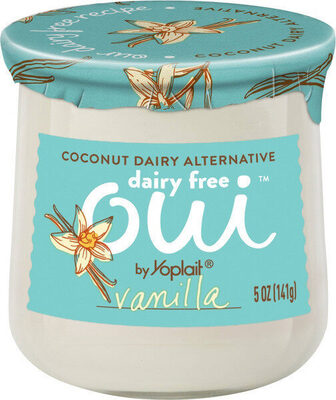
Plant-based yogurts (oat, almond, coconut) are often low in protein and calcium unless fortified. If your child is dairy-free, look for one with at least 5g protein and added calcium and vitamin D.
What schools allow vs. what we recommend
Starting in school year 2025 to 2026, USDA limits yogurt in school meals to 12g of added sugar per 6 ounces (USDA school nutrition standards). That works out to 2g per ounce, or about 8g for a 4 oz cup.
That rule cuts out the sweetest products. It still lets in yogurts with 8 to 10 grams of added sugar, which is a third or more of a child’s daily limit in one cup.
Our cutoff for this list is tighter: 3g added sugar or less per serving. The difference matters when yogurt is a daily habit.
How to make plain yogurt work for kids
Most kids reject plain yogurt the first few times. That’s normal. These tricks work better than switching back to flavored:
- Stir in fruit you control. Mashed banana, thawed frozen berries, or unsweetened applesauce add sweetness with no added sugar.
- Mix half and half. Combine flavored and plain, then slowly shift the ratio toward plain over a few weeks.
- Add crunch. A spoonful of low-sugar cereal or chopped nuts (age-appropriate) makes it feel like a treat.
- Freeze it. Plain yogurt blended with fruit and frozen in molds becomes a popsicle.
- Let them drizzle. If you add honey or maple syrup, let your child add a small measured amount. A teaspoon is about 4 grams. Never give honey to a baby under 12 months.
Yogurt for babies and toddlers
AHA guidance is no added sugar for children under 2. Plain whole-milk yogurt fits that perfectly. The AAP says yogurt can be introduced around 6 months as part of solid foods (HealthyChildren.org, Starting Solid Foods).
Choose whole milk, not low-fat, for toddlers under 2 unless your pediatrician advises otherwise. Skip flavored toddler yogurts with added sugar. YoBaby-style plain or fruit-only cups are the right format.
How we built this list
Every yogurt below is live in our database with an Added Sugars value read from its Nutrition Facts panel. We include Tier A (under 0.5g total sugar), Tier B (0g added) and Tier C (1 to 3g added). Products are ordered by added sugar first, then protein.
If the yogurt in your fridge doesn’t match our page, the label in your hand wins. Tell us and we’ll update it.