Ingredient guide
Agave Nectar in Kids' Food: Higher Fructose Than HFCS
Agave nectar is an added sugar made by hydrolyzing fructan chains stored in the agave plant. Willems and Low analyzed 19 Mexican syrups and found a mean fructose share of 84%, well above HFCS 55 at about 55%. A 2022 review in LWT concluded that despite trace bioactive compounds, agave syrup "contains high concentration of fructose with potentially serious adverse effects on human health." Count the Added Sugars grams toward the AHA ceiling of 25 g per day for ages 2 to 18 and 0 g under age 2. A low glycemic-index claim does not earn extra grams. The liver still handles the fructose load.
Reviewed September 2026
Added sugar, higher fructose than HFCS
Mean 84% fructose (Willems and Low, 19 syrups) versus 55% in HFCS 55. Low GI does not change the AHA 25 g ceiling. The "natural" label is marketing, not chemistry.
Also listed as: agave nectar, agave syrup, organic agave, agave sweetener
What agave nectar is
Agave nectar (agave syrup) is a liquid sweetener made by hydrolyzing fructans stored in the piña of Agave plants, most often Agave tequilana (blue agave). Heat or enzymes unfold those chains into free fructose, plus some glucose and leftover oligosaccharides.
Kids packs print "agave nectar," "agave syrup," or "organic agave." The name sounds like fruit. The Nutrition Facts line treats it as an added sugar, the same bucket as cane sugar and high-fructose corn syrup. Nectar is a marketing word, not a fruit serving.
Those grams count toward the American Heart Association 25 g ceiling for ages 2 to 18 and 0 g under age 2. A low glycemic-index claim does not open extra room on that meter.
The plant stores energy as agavins, long fructose chains. Making nectar means cutting those chains. What remains in the bottle is mostly free fructose, not a fiber supplement. Leftover fructooligosaccharides show up when hydrolysis is incomplete. They do not cancel the sugar grams on the panel.
How to use this page in the snack aisle
Write the Added Sugars grams and the servings the child will eat. Then read the list for agave nectar, agave syrup, cane sugar, and HFCS so you know which names are driving the grams.
A "low GI" or "raw agave" banner is not a gram count. Fructose raises blood glucose less than glucose does. That is why the glycemic index looks friendly. AHA still counts the grams.
If the child is under 2, any positive added-sugar gram amount is over the AHA and Dietary Guidelines line.
Formula and worked examples
Share of the AHA child ceiling equals added-sugar grams times servings, divided by 25. Under age 2 the ceiling is 0 g.
A yogurt with 12 g added sugars from agave uses 48% of a 25 g day. The same cup sweetened with cane sugar at 12 g uses 48%. The plant name changed. The remaining 13 g did not.
A granola bar with 9 g plus an agave-sweetened drink with 16 g is 25 g. The day is full before dinner.
USDA-style tables put agave syrup near 68 g total sugars per 100 g of syrup. A 10 g drizzle (about 2 teaspoons) is already about 7 g of sugar, 28% of the child ceiling, before the rest of the meal.
Dashed line: AHA child ceiling (25 g)
10 g drizzle (~7 g sugar)
About 7 g
Yogurt, 12 g from agave
12 g
Bar plus drink, 25 g
25 g
12 oz regular soda
About 40 g
Worked checks when agave is on the list
| What you have | Added sugars | Share of 25 g | What to do next |
|---|---|---|---|
| Yogurt, 12 g from agave | 12 g | 48% | Count it as the sweet in that meal |
| Bar 9 g plus drink 16 g | 25 g | 100% | Water after that |
| Same yogurt, cane sugar, 12 g | 12 g | 48% | The name changed; the grams did not |
| Any agave food, child under 2 | Any grams above 0 | Over | Choose 0 g added sugars |
How to read the result and what to do next
The useful number is remaining grams for the rest of the day. Swapping HFCS for agave without cutting grams does not help the AHA meter. It can raise the fructose share.
CDC names sugar-sweetened drinks, desserts, and sweet snacks as the leading US sources of added sugars. Replace the largest gram source first.
What US kids eat
There is no official USDA table for grams of agave nectar eaten by children ages 2 to 18. Do not invent one.
CDC NHANES 2017-2018 reported about 17 teaspoons of added sugars a day for ages 2 to 19, about 68 g. That total includes agave when it is in the food.
Where agave shows up in kids food
Agave shows up in "natural" yogurts, granola, cereal bars, and some juice drinks aimed at parents who already crossed HFCS off the list.
A first-ingredient listing means the product is a sweet. A late listing next to 14 g added sugars still means 14 g.
Cafe drinks and "natural" kids yogurts are the two places agave jumped after 2010. A latte syrup pump is an adult habit that spills into a child's cup. Two teaspoons in oatmeal is a home drizzle you can measure. The pack of granola that already lists agave third is the one you cannot measure without the panel.
Imported Mexican nectar and a US-bottled "amber agave" can differ in color because residual minerals and heat change browning. Color is not a fructose assay. Darker is not healthier. Use the Added Sugars line, not the hue.
Low GI is not a child sugar pass
Agave ranks lower on glycemic index tables because fructose does not raise blood glucose the way glucose does. The liver still has to handle that fructose. AHA counts added-sugar grams for cardiovascular risk in children, not GI points.
A 2022 review in LWT concluded that despite possessing trace bioactive compounds and possible prebiotic fructooligosaccharides, agave syrup "contains high concentration of fructose with potentially serious adverse effects on human health," rendering it comparable to HFCS from a metabolic standpoint. The authors noted that species, harvest maturity, and processing temperature all shift the final fructose-to-glucose ratio, making "agave syrup" a category, not a fixed composition.
Authenticity papers exist because some commercial "agave" is cut with HFCS or sucrose. Willems and Low could detect those adulterants at 0.5% to 2.0%. A cheap jug may not match the 84% fructose mean. The Added Sugars line still applies either way.
Saraiva's 2022 review reprinted a USDA-style nutrient table that put agave syrup at about 310 kcal and 68 g total sugars per 100 g, next to honey at 82 g sugars and sucrose at 99.8 g. The minerals in that table are traces. A 10 g drizzle does not become a potassium supplement. It becomes about 7 g of sugar in a child's day.
Some families pour agave because a vegan household skipped honey, which is a values choice that does not change the metabolic arithmetic. Honey is also an added sugar when stirred into yogurt.
USDA Organic
Organic agave syrup can appear in USDA Organic snacks when it meets NOP rules, but organic agave and organic cane sugar are both still added sugars on the Nutrition Facts panel.
The seal does not lower the fructose share.
Organic amber versus organic light is a color grade, not a sugar grade. Both add grams. If the family wants the USDA mark for pesticide rules, keep it, and still run the 25 g meter. The seal does not buy extra fructose room.
Limits, edge cases, and safety
This page does not read fructose milligrams off a name. Species and processing change the mix. Quantity of sugar lives on the Added Sugars line.
People with hereditary fructose intolerance must avoid agave the same way they avoid other fructose sources. That is a clinician rule, not a snack-aisle estimate.
Agave syrup is not tequila. The alcohol is a different product. Cooking with agave at high heat will brown faster than sucrose because free fructose caramelizes readily. That kitchen fact does not change the Added Sugars line on a finished snack.
If a recipe blog says "use 2/3 as much agave as sugar because it is sweeter," that is a home-baking tip. The child still eats the grams that land in the muffin. Weigh the drizzle or read the pack. Two-thirds of a 12 g sugar recipe is still 8 g, which is 32% of the child ceiling.
Snacks that do not list Agave nectar
Open a product page in an aisle where this name is common. We check the stored ingredient text, not a front-of-pack claim.
A snack can skip agave nectar and still add cane sugar or juice concentrate. Count the Added Sugars grams.
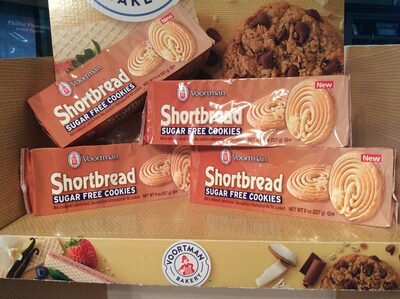
Shortbread Cookies zero sugar
- No added sugar
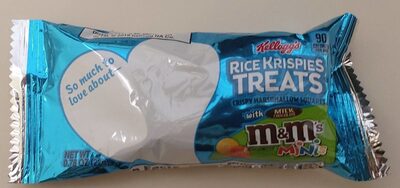
Rice Krispies- M&M minis
- No added sugar
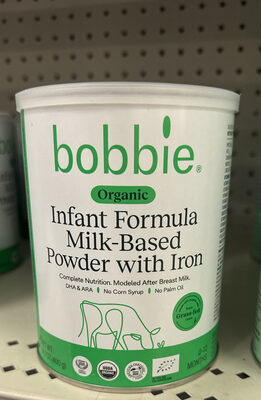
Infant Formula Milk-Based Powder With Iron
- No added sugar
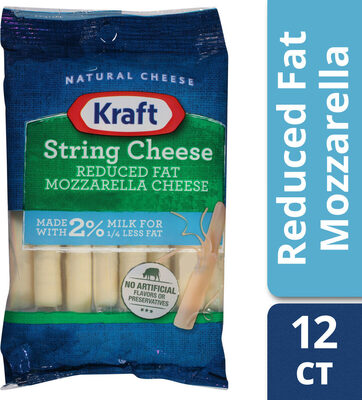
String cheese
- No added sugar
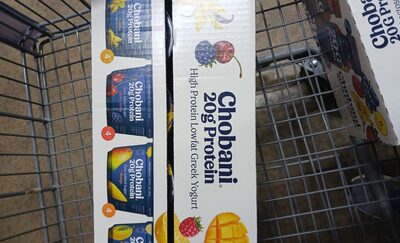
Zero Sugar Greek Yogurt
- No added sugar
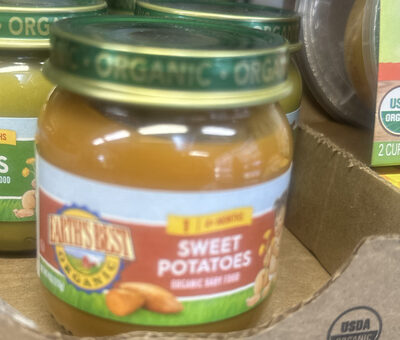
Sweet Potatoes First Stage
- No added sugar
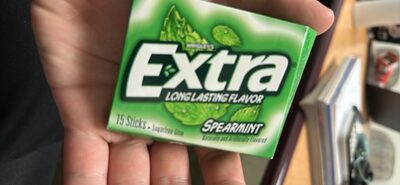
Spearmint Sugarfree Gum
- No added sugar
Frequently asked questions
Does agave nectar count as added sugar?
Yes. FDA classifies syrups as added sugars. The Added Sugars gram line already includes agave when it is in the product. Organic agave still counts the same way toward the AHA 25 g child ceiling.
Is agave healthier than high-fructose corn syrup?
Commercial blue-agave nectar averages 84% fructose (Willems and Low, 19 syrups), well above HFCS 55 at about 55%. AHA counts every added-sugar gram the same way. A 2022 LWT review concluded that agave's fructose concentration carries "potentially serious adverse effects on human health," comparable to HFCS from a metabolic standpoint. The low GI does not earn extra grams.
Why does agave have a low glycemic index?
Fructose raises blood glucose less than glucose does because the liver processes fructose directly rather than releasing it into the bloodstream. This produces a lower GI reading, but the liver still converts that fructose to fat when intake exceeds need. The relevant shopping number is the Added Sugars line, not the glycemic index.
Is all agave nectar 84% fructose?
No. Species and processing shift the ratio. Willems and Low found a mean of 84.29% across 19 Agave tequilana syrups. Mellado-Mojica found Agave salmiana syrups held 28 to 32% sucrose with less free fructose. Cheap commercial jugs may also be adulterated with HFCS or cane syrup. The Added Sugars line applies regardless of the specific fructose share.
Can USDA Organic kids food contain agave?
Yes. Organic snacks can use organic agave syrup that meets NOP rules. The organic seal certifies production practices, not sugar content. Organic agave is still added sugar, and the grams still count toward the AHA 25 g child ceiling.
What if my child has hereditary fructose intolerance?
Children with HFI must avoid agave the same way they avoid other fructose sources, including fruit, honey, and sucrose. Agave's high fructose concentration makes it a particularly concentrated source. That is a clinician-managed restriction, not a snack-aisle decision.
Related tools and guides
References
- FDA. Added Sugars on the Nutrition Facts Label
- CDC. Get the Facts: Added Sugars
- eCFR. 21 CFR 184.1866 High fructose corn syrup
- J Agric Food Chem. Major carbohydrate profiles of agave syrup (Willems and Low)
- Food Chemistry. Identification of agave syrups by IR and HPAEC-PAD (Mellado-Mojica and López)
- Foods. Agave Syrup: Chemical Analysis and Nutritional Profile (Saraiva et al.)
- AHA / Circulation. Added Sugars and Cardiovascular Disease Risk in Children (Vos et al.)
- USDA ERS. USDA ERS Sugar and Sweeteners Yearbook
- USDA AMS. The National List
- Ozuna et al., LWT 2022. Agave syrup: An alternative to conventional sweeteners? A review of its current technological applications and health effects
Label guides are screening aids for packaged food, not a diagnosis. They are not a substitute for a pediatrician or registered dietitian. Added-sugar limits cited here come from AHA, CDC, FDA, and the Dietary Guidelines. Quantity always comes from the Nutrition Facts Added Sugars line.