Ingredient guide
Aspartame in Kids' Food: ADI, PKU Warning, and IARC 2B
Aspartame is a high-intensity sweetener about 200 times sweeter than table sugar. FDA regulates it as a food additive (21 CFR 172.804) with an ADI of 50 mg per kg of body weight per day. A 20 kg child has a 1,000 mg daily ceiling. Every pack must print PHENYLKETONURICS: CONTAINS PHENYLALANINE because aspartame breaks down into phenylalanine, which people with PKU cannot metabolize safely. IARC classified aspartame as Group 2B (possibly carcinogenic) in 2023 based on limited evidence for liver cancer. JECFA kept its 40 mg/kg ADI unchanged, and FDA stated it disagrees with IARC's reading and still considers aspartame safe under approved conditions.
Reviewed September 2026
Not added sugar; PKU warning required
FDA ADI is 50 mg/kg (1,000 mg for a 20 kg child). The bold PHENYLKETONURICS line is mandatory on every pack. IARC 2B did not change the ADI.
Also listed as: aspartame, Nutrasweet, Equal, APM, E951
What aspartame is
Aspartame is a high-intensity sweetener about 200 times sweeter than table sugar. Chemically it is a methyl ester of two amino acids, aspartic acid and phenylalanine (1-methyl N-L-α-aspartyl-L-phenylalanine). FDA regulates it as a food additive under 21 CFR 172.804.
Kids packs print "aspartame." Brand names FDA lists include Nutrasweet, Equal, and Sugar Twin. The ingredient list still uses the generic name.
It is not heat stable. It loses sweetness when cooked or baked. Tabletop packages must carry instructions not to use the powder in cooking or baking. That is why sucralose, not aspartame, shows up in many no-sugar-added cookies.
Aspartame is not an added sugar. The Nutrition Facts Added Sugars line does not include it. A diet gelatin can list 0 g added sugars and still name aspartame.
FDA 50 mg/kg, JECFA 40 mg/kg, and the PKU line
FDA first regulated aspartame in 1974 and approved general-purpose use in 1996. The US acceptable daily intake is 50 mg per kg of body weight per day. JECFA and EFSA use 40 mg/kg. This page uses the FDA number for US labels and notes the JECFA number when WHO is quoted.
FDA's adult packet chart says a 60 kg person would need about 75 packets a day to reach 50 mg/kg. That packet is assumed as sweet as two teaspoons (about 8 g) of sugar. At 200-fold sweetness, the packet holds about 40 mg of aspartame.
Every food that contains aspartame must print this statement, in bold type on a contrasting background: PHENYLKETONURICS: CONTAINS PHENYLALANINE. Newborns in the US are screened for phenylketonuria (PKU) before leaving the hospital. People with PKU must avoid or restrict aspartame because they cannot handle the phenylalanine load. The ADI does not apply to that group.
In the gut, aspartame breaks into phenylalanine, aspartic acid, and methanol, the same pieces released from ordinary protein foods. JECFA restated in 2023 that intact aspartame does not enter the blood.
15 kg child
750 mg
20 kg child
1,000 mg
30 kg child
1,500 mg
60 kg adult (FDA packet chart)
3,000 mg
Aspartame versus sucralose on a kids label
| Check | Aspartame | Sucralose |
|---|---|---|
| US regulation | 21 CFR 172.804, food additive | 21 CFR 172.831, food additive |
| US ADI | 50 mg/kg/day | 5 mg/kg/day |
| Sweetness vs sucrose | About 200× | About 600× |
| Heat | Loses sweetness; table packs say do not bake | Heat stable |
| Added sugar line | No | No |
| Required extra label | PHENYLKETONURICS: CONTAINS PHENYLALANINE | None |
| FDA packets to ADI at 60 kg | 75 | 23 |
How to use this page in the snack aisle
Read the ingredient list for aspartame and for the required phenylalanine statement. Then read Added Sugars grams. Aspartame does not add to that gram line.
People with PKU must avoid or restrict aspartame. The 50 mg/kg ADI does not apply to them. Every pack has to print PHENYLKETONURICS: CONTAINS PHENYLALANINE so they can see it.
AAP notes that packs print the name, not milligrams. You cannot finish an ADI share from most yogurt lids. WHO/JECFA used 200 to 300 mg as an example for one can of diet soft drink. Use that range only as a can-sized estimate, not as every brand's lab result.
AAP gives no advice for children under 2. If the child is under 2, ask the pediatrician before a daily diet-drink habit.
Formula and worked examples
Share of the FDA ADI equals aspartame milligrams times servings, divided by 50 times body weight in kilograms. For a JECFA check, use 40 in the denominator instead of 50.
A 20 kg child has a 1,000 mg FDA ceiling (50 × 20). One 200 mg diet drink uses 20% of that day. Five such drinks would use the full FDA ADI if nothing else in the day contained aspartame. WHO/JECFA's 70 kg adult example needed more than 9 to 14 cans at 200 to 300 mg each to pass 40 mg/kg.
One FDA-style packet at about 40 mg is 4% of a 20 kg child's 1,000 mg ceiling. Twenty-five packets would hit 100%. That is a ceiling check, not a serving suggestion.
If the drink lists aspartame and 0 g added sugars, it does not use the AHA 25 g sugar ceiling. Aspartame still counts toward the ADI if you have milligrams. A juice box with 15 g added sugars in the same fridge still uses 60% of that 25 g day.
Dashed line: 100% of FDA ADI (100 %)
1 packet (~40 mg)
4%
1 diet drink at 200 mg
20%
1 diet drink at 300 mg
30%
5 drinks at 200 mg
100%
Worked ADI checks for a 20 kg child (FDA 50 mg/kg = 1,000 mg)
| What you have | Aspartame | Share of 1,000 mg | What to do next |
|---|---|---|---|
| 1 FDA-style packet | About 40 mg | 4% | Small tabletop use |
| 1 diet drink at 200 mg (WHO low example) | 200 mg | 20% | Fits if the rest of the day is aspartame-free |
| 1 diet drink at 300 mg (WHO high example) | 300 mg | 30% | Two more similar drinks use most of the day |
| Child with PKU, any aspartame food | Name plus phenylalanine line | ADI does not apply | Follow the PKU clinic diet |
| Child under 2, any aspartame food | Name on the list | No AAP number | Ask the pediatrician before a daily habit |
How to read the result and what to do next
A 0 g Added Sugars stamp is not an aspartame-free stamp. Water and plain milk still beat a diet pouch if the goal is fewer sweet tastes.
IARC's 2023 Group 2B call ("possibly carcinogenic to humans") is a hazard classification based on limited evidence for liver cancer in humans. JECFA, looking at risk at current intakes, kept the 40 mg/kg ADI and said the human cancer link was not convincing. FDA reviewed the IARC package and said it does not have safety concerns when aspartame is used under approved conditions. IARC classifies hazard; JECFA and FDA assess risk at approved uses. The two conclusions are compatible.
WHO's separate 2023 non-sugar-sweetener guideline suggests not using NSS to control weight. That is a diet-pattern suggestion. It does not rewrite 21 CFR 172.804.
What US kids consume, and what labels omit
There is no official USDA table for milligrams of aspartame eaten each day by children ages 2 to 18. Treat any kids-only aspartame milligram claim as unverified unless it cites a named NHANES or FDA exposure memo.
AAP, using NHANES 2009-2012, reported that more than one quarter of US children consumed a nonnutritive sweetener, and about 80% of those children did so daily. The survey captured the category, not aspartame grams.
AAP still asks manufacturers to print the amount of each nonnutritive sweetener. Until that happens, a parent cannot finish the ADI formula from most lids. The phenylalanine warning is the one number-free line that is required.
Where aspartame shows up in kids food
Aspartame is common in diet sodas, sugar-free gelatin and pudding, chewing gum, some yogurts, drink mixes, and a few chewable vitamins or cough drops. WHO also listed toothpaste and ice cream as uses. It is rare in baked snacks because heat destroys the taste.
Some diet drinks pair aspartame with acesulfame potassium. Both names belong on the list. Run each ADI separately if you ever get milligrams.
A "sugar-free" or "diet" claim is a hint, not a substitute for the ingredient list.
Cancer reviews and other evidence
FDA says it has reviewed more than 100 studies on aspartame, covering reproduction, the nervous system, carcinogenicity, and metabolism. The agency restated in 2025 that it disagrees with IARC's reading of the cancer studies and that JECFA did not change the ADI.
IARC Group 2B also includes aloe vera extract and pickled vegetables. The classification means limited evidence of a hazard, not a demonstrated risk at diet-soda doses.
The largest human study IARC cited was the NutriNet-Santé cohort of 102,865 French adults followed for a median of 7.8 years. Higher aspartame consumers had a hazard ratio of 1.15 (95% CI 1.03 to 1.28) for overall cancer and 1.22 (95% CI 1.01 to 1.48) for breast cancer. The authors flagged possible selection bias, residual confounding, and reverse causality as limitations. JECFA reviewed this study and concluded the evidence was still not convincing of a causal link.
A 2025 review of animal and mechanistic evidence across eight non-sugar sweeteners, including aspartame, found no consistent or biologically plausible mechanism by which any of them could cause cancer in humans. High-quality animal carcinogenicity studies showed no effect. The exceptions were the Ramazzini Institute rat studies, which three regulatory agencies have questioned on design and diagnostic grounds.
A 2020 adult crossover trial gave 425 mg aspartame a day for two weeks. Stool taxa and short-chain fatty acids did not change. That is a short adult study, not a child cancer trial.
USDA Organic and WHO diet advice
Aspartame is a synthetic food additive. It is not an allowed nonorganic ingredient on the USDA Organic National List. A USDA Organic mark means conventional aspartame should not be in the jar.
WHO's NSS guideline and the IARC/JECFA 2023 reviews are different documents. One is about using sweeteners for weight control. The other is a cancer hazard call plus an unchanged ADI. Neither replaces the PKU warning on the pack.
Limits, edge cases, and safety
This page does not diagnose PKU, liver disease, or a headache trigger. It does not estimate milligrams in a product that only lists the name.
If a child has PKU, the clinic diet wins. Protein foods also supply phenylalanine. Aspartame is an extra source, which is why the bold line exists.
Do not bake with tabletop aspartame. The regulation requires that instruction on sugar-substitute packs. The taste will fade and the recipe will not tell you what formed.
People who report headache after diet drinks can stop that product and tell a clinician. A personal reaction is not a population ADI change.
Snacks that do not list Aspartame
Open a product page in an aisle where this name is common. We check the stored ingredient text, not a front-of-pack claim.
A snack can skip aspartame and still add cane sugar or juice concentrate. Count the Added Sugars grams.
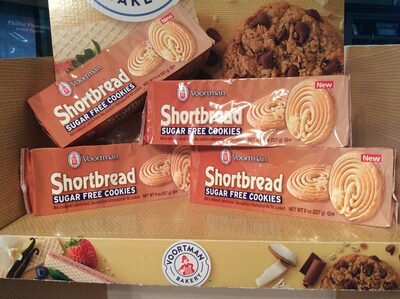
Shortbread Cookies zero sugar
- No added sugar
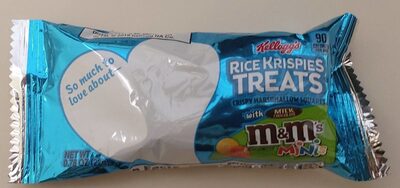
Rice Krispies- M&M minis
- No added sugar
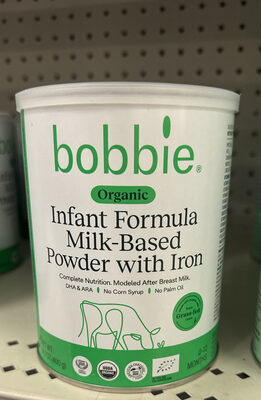
Infant Formula Milk-Based Powder With Iron
- No added sugar
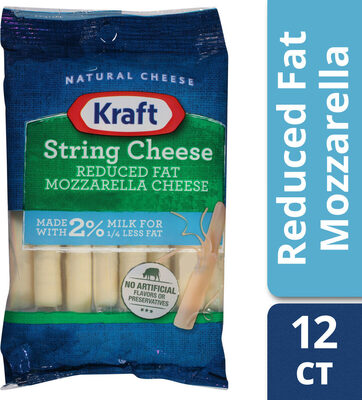
String cheese
- No added sugar
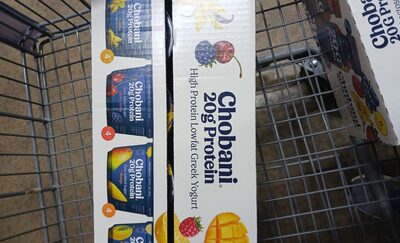
Zero Sugar Greek Yogurt
- No added sugar
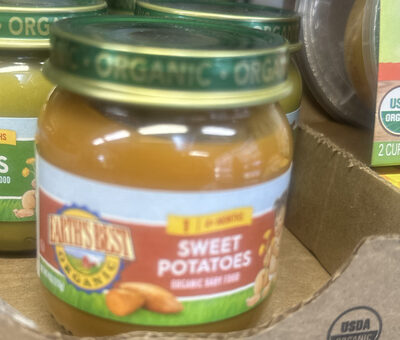
Sweet Potatoes First Stage
- No added sugar
Frequently asked questions
Does aspartame count as added sugar?
No. Aspartame is a high-intensity sweetener, not a sugar. A diet gelatin can show 0 g on the Added Sugars line and still list aspartame. If cane sugar or juice concentrate appears in the same product, those grams still count toward the AHA 25 g child ceiling.
Why does the pack say PHENYLKETONURICS?
21 CFR 172.804 requires every food containing aspartame to print PHENYLKETONURICS: CONTAINS PHENYLALANINE in bold type. PKU is a genetic disorder screened at birth. People with PKU cannot safely metabolize phenylalanine, one of the amino acids aspartame breaks into during digestion. The 50 mg/kg ADI does not apply to them.
Did IARC say aspartame causes cancer?
IARC classified aspartame as Group 2B (possibly carcinogenic) based on limited evidence for liver cancer in humans, primarily from the NutriNet-Santé cohort of 102,865 adults. JECFA reviewed the same data, kept the 40 mg/kg ADI, and said the human cancer evidence was not convincing. FDA reviewed the IARC package and stated it disagrees with IARC's conclusion. The three agencies assessed different questions: IARC evaluated hazard, JECFA and FDA evaluated risk at current intake levels.
How much aspartame is in a diet soda?
WHO/JECFA used 200 to 300 mg as an example for one can of diet soft drink. Brands vary and do not print milligrams. A 20 kg child has a 1,000 mg FDA ceiling, so one 200 mg drink uses about 20% of that day. Five such drinks would reach the FDA ADI.
Can I bake with aspartame?
No. Tabletop aspartame packs must carry instructions not to use the powder in cooking or baking. Heat breaks the molecule and destroys the sweetness. Sucralose is the heat-stable high-intensity sweetener FDA describes for baked goods.
Can USDA Organic kids food contain aspartame?
No. Aspartame is a synthetic food additive not listed on the USDA Organic National List. A product with the USDA Organic seal should not contain it.
Related tools and guides
References
- FDA. Aspartame and Other Sweeteners in Food
- Cornell LII / eCFR. 21 CFR 172.804 Aspartame
- FDA. High-Intensity Sweeteners
- FDA. Safe Levels of Sweeteners (packet chart)
- WHO / IARC / JECFA, 14 July 2023. Aspartame hazard and risk assessment results released
- Baker-Smith et al., AAP Pediatrics 2019 (reaffirmed 2025). The Use of Nonnutritive Sweeteners in Children
- WHO, 2023. Use of non-sugar sweeteners: WHO guideline
- Ahmad et al., Nutrients 2020. The Effects of Non-Nutritive Artificial Sweeteners, Aspartame and Sucralose, on the Gut Microbiome in Healthy Adults
- USDA AMS. The National List
- Debras et al., PLoS Medicine 2022. Artificial sweeteners and cancer risk: Results from the NutriNet-Santé population-based cohort study
- Marchitti et al., Advances in Nutrition 2025. Lack of Genotoxic and Carcinogenic Potential for Nonsugar Sweeteners: A Review of Animal and Mechanistic Evidence
Label guides are screening aids for packaged food, not a diagnosis. They are not a substitute for a pediatrician or registered dietitian. Added-sugar limits cited here come from AHA, CDC, FDA, and the Dietary Guidelines. Quantity always comes from the Nutrition Facts Added Sugars line.