Ingredient guide
Brown Rice Syrup in Kids' Food: Added Sugar Plus Arsenic Risk
Brown rice syrup is an added sugar made by hydrolyzing rice starch into glucose. Count those grams toward the AHA ceiling of 25 g per day for ages 2 to 18 and 0 g under age 2. Rice accumulates inorganic arsenic from soil and water. Jackson 2012 measured arsenic levels 20 times higher in toddler formulas that listed organic brown rice syrup as the first ingredient compared to formulas without it. FDA's 100 ppb inorganic arsenic action level applies to infant rice cereal, not to syrup on a granola bar. Organic certification does not lower the arsenic content.
Reviewed September 2026
Added sugar plus rice arsenic risk
Same AHA 25 g child ceiling as cane sugar. Rice accumulates inorganic arsenic. Organic certification does not lower arsenic levels. Jackson 2012 found 20x higher arsenic in toddler formulas with this syrup.
Also listed as: brown rice syrup, organic brown rice syrup, rice syrup, OBRS
What brown rice syrup is
Brown rice syrup is a caloric sweetener manufactured by cooking brown rice starch with enzymes (typically barley malt enzymes or fungal amylases) that cut long glucose chains into shorter pieces. The liquid is strained and boiled down to a thick amber syrup. What remains is mostly maltose (two glucose units bonded together), maltotriose (three glucose units), and some free glucose. Fructose content is low, often under 3%.
Kids packs print "brown rice syrup," "organic brown rice syrup," or "rice syrup."
All three names are added sugars. The Nutrition Facts Added Sugars line already includes them. Those grams count toward the American Heart Association 25 g ceiling for ages 2 to 18 and 0 g under age 2. The "natural" branding changes nothing on that meter.
Brands adopted brown rice syrup in the late 2000s as parents started avoiding high-fructose corn syrup by name. The ingredient swap solved a marketing problem. It did not cut sugar grams, and it moved some of the sweetening onto a grain that accumulates inorganic arsenic from paddy soil and water at rates other cereal crops do not match.
Arsenic in rice syrup is a separate check from sugar
Rice accumulates inorganic arsenic because it grows under flooded conditions that mobilize arsenic from soil into solution. FDA surveys found inorganic arsenic ranging from 23 to 249 ppb across US rice grain types, with brown rice averaging 154 ppb versus 92 ppb for white rice. That gap exists because arsenic concentrates in the bran layer that white rice polishing removes.
A 2025 analysis in Risk Analysis confirmed the pattern for children specifically. Scott and colleagues found that Americans who regularly consume brown rice have higher estimated arsenic exposures than white-rice consumers, and that young children face a disproportionate burden because they eat more food per kilogram of body weight. The authors stopped short of calling it an acute public health risk for the general population, but recommended risk-benefit analyses before recommending brown rice over white for young children.
Jackson and colleagues at Dartmouth tested commercial brown rice syrups and foods that used organic brown rice syrup as a primary ingredient. The findings were stark: toddler formulas listing the syrup first carried about 20 times the total arsenic of infant formulas without it. Inorganic arsenic made up 80 to 90% of the arsenic content in two of the three syrups tested. One organic soy-based toddler formula, when prepared as directed, exceeded the EPA 10 microgram per liter drinking-water standard by 1.5 to 2.5 times.
FDA later set a 100 ppb action level for inorganic arsenic in infant rice cereals. That guidance covers cereal, not brown rice syrup in a granola bar or energy chew. The syrup has no separate regulatory arsenic limit in US food law.
Dashed line: FDA infant cereal action level (100 ppb)
White rice grain
92 ppb
FDA infant cereal action level
100 ppb
Infant brown-rice cereal
119 ppb
Brown rice grain
154 ppb
What official sources do and do not cover for brown rice syrup
| Source | What it measured or set | Applies to rice syrup in a snack bar |
|---|---|---|
| Jackson et al., EHP 2012 | Syrups, toddler formula, 29 cereal bars, energy chews | Yes, as a lab snapshot of named products |
| FDA infant rice cereal guidance | 100 ppb inorganic arsenic action level | No. The document covers cereal, not syrup |
| FDA rice surveys 2011-2018 | Inorganic arsenic in rice grain and infant cereal | Context only. Rice is the parent crop |
| Scott et al., Risk Analysis 2025 | Brown vs white rice arsenic exposure in US populations | Context. Children eat more per kg body weight |
| Nutrition Facts Added Sugars | Grams of added sugars per serving | Yes. The syrup grams live here |
How to use this page in the snack aisle
Write the Added Sugars grams and the number of servings the child will eat. Then scan the ingredient list for brown rice syrup, rice syrup, rice flour, and rice crisps. Those names tell you whether rice is doing the sweetening, the structural bulk, or both.
If the child is under 2, any positive added-sugar gram amount exceeds the AHA and Dietary Guidelines threshold.
You cannot calculate arsenic milligrams from a name-only ingredient list. The practical move is to keep rice syrup out of daily-use drinks (especially for toddlers) and to rotate grain sources through the week so rice does not fill every snack slot. FDA already advises that rice cereal need not be an infant's first or only grain.
Formula and worked examples
Share of the AHA child ceiling equals added-sugar grams times servings, divided by 25. Under age 2 the ceiling is 0 g.
A granola bar with 11 g added sugars from brown rice syrup uses 44% of a 25 g day. Two bars use 88%. The organic seal on that same bar does not change 11 to something smaller.
Jackson noted that a heavy cereal bar at the high end of their sample could hold up to about 4 micrograms of inorganic arsenic. That is a 2012 lab snapshot of specific products, not a Nutrition Facts line and not a number you can read off any bar today. Use it as a reason to rotate grains, not as a home assay.
A toddler formula listing organic brown rice syrup as the first ingredient is a daily-use product. Daily-use products matter more than a once-a-year candy. Ask the pediatrician before a rice-syrup formula becomes the default bottle.
Dashed line: AHA child ceiling (25 g)
Bar, 11 g from rice syrup
11 g
Two bars
22 g
AHA child ceiling
25 g
12 oz regular soda
About 40 g
Worked checks when brown rice syrup is on the list
| What you have | Added sugars | Share of 25 g | What to do next |
|---|---|---|---|
| Granola bar, 11 g from rice syrup | 11 g | 44% | Count it as the sweet in that lunchbox |
| Two of the same bars | 22 g | 88% | Water at dinner |
| Same bar made with cane sugar, 11 g | 11 g | 44% | The name changed; the grams did not |
| Toddler drink, rice syrup first, under 2 | Any grams above 0 | Over | Ask the pediatrician; choose 0 g added sugars |
How to read the result and what to do next
The useful sugar number is remaining grams for the rest of the day. Swapping HFCS for brown rice syrup without cutting grams does not help the AHA meter. It can, however, increase daily rice-derived arsenic exposure if the syrup is in a product the child eats every day.
CDC names sugar-sweetened drinks, desserts, and sweet snacks as the leading US sources of added sugars. Replace the largest gram source first.
The useful arsenic move is to keep rice syrup out of daily drinks and to mix oat, wheat, and corn snacks through the week.
What US kids eat and what the exposure data show
There is no official USDA table for grams of brown rice syrup eaten by children ages 2 to 18.
CDC NHANES 2017-2018 reported about 17 teaspoons of added sugars a day for ages 2 to 19, roughly 68 g. That total includes every added-sugar name, brown rice syrup among them when it is in the food.
EFSA's 2021 chronic arsenic exposure assessment estimated that toddlers carry the highest mean dietary exposure to inorganic arsenic at 0.30 micrograms per kg body weight per day at the lower bound. At the 95th percentile, infants reached 1.20 micrograms per kg per day, which falls within the BMDL01 range of 0.3 to 8.0 micrograms per kg per day that EFSA tied to increased cancer risk. Rice and rice-based products were a main contributor across all age classes.
An Australian study of rice-based infant foods found that nearly 75% of samples had inorganic arsenic above the EU maximum of 0.1 mg/kg for infant products. Brown rice content was positively correlated with higher total arsenic. Those are Australian and European data points, not US shelf numbers, but they reinforce why daily rice-syrup products deserve more scrutiny than a once-a-week snack.
Where brown rice syrup shows up in kids food
The name is common on "natural" granola bars, organic cereal bars, and some toddler puff snacks. Brands use it to avoid printing HFCS or cane sugar as the first sweetener.
Rice crisps, rice flour, and puffed rice can add arsenic exposure even when the sweetener is something else. Read the full rice cluster in the ingredient list, not only the syrup name.
Energy chews and shot blocks aimed at adult athletes appeared in Jackson's study because they used organic brown rice syrup as a primary ingredient. If a child borrows those chews on a soccer Saturday, they are eating an adult product at an adult serving size. The arsenic estimates in that paper assumed adult consumption patterns.
Some products labeled "brown rice syrup" are manufactured from white rice. The word brown on the label is a marketing choice. The arsenic concern comes from the rice crop itself, not the label color.
Maltose is still sugar, and low fructose is not a pass
Brown rice syrup gets marketed as gentler than HFCS because it is mostly glucose and maltose rather than fructose. The fructose point is accurate. The sugar-reduction claim is not.
Maltose is two glucose units. The gut splits it immediately. It still counts on the Added Sugars line, still triggers insulin, and still fills the 25 g day. A low-fructose syrup that delivers 11 g of added sugars is the same 44% of a child's ceiling as 11 g of cane sugar.
Brown rice itself delivers more arsenic per serving than white rice. González and colleagues measured brown rice varieties at a mean of 189 micrograms per kg inorganic arsenic versus 132 for white. Making syrup from brown rice concentrates that starting material. The syrup is an ingredient, not a whole grain. Nobody is getting fiber, magnesium, or B vitamins from the rice syrup in a cereal bar.
Glycemic index tables rank brown rice syrup high (often above 90) because maltose and glucose hit the bloodstream fast. A "natural" sweetener with a GI above table sugar is not the metabolic bargain the packaging implies.
USDA Organic
Organic brown rice syrup is permitted in USDA Organic products when it meets National Organic Program rules. Jackson's highest-arsenic toddler formulas were labeled organic. The seal did not lower the arsenic because arsenic uptake is driven by soil chemistry and flooding conditions, not by whether the farm uses synthetic pesticides.
Organic cane sugar or organic tapioca syrup would also add grams. Pick the product with fewer added-sugar grams and fewer daily rice-syrup servings. The seal answers a farming-practices question, not a sugar or arsenic question.
Limits, edge cases, and safety
This page cannot assay arsenic from an ingredient name. Jackson is a 2012 store sample of specific products, not a reading of the bar in your hand. FDA's 100 ppb action level applies to infant rice cereal, not rice syrup in a snack.
Rice drinks and rice syrup are different from intact brown rice on a dinner plate. The syrup is a concentrated ingredient. The cereal action level does not print on a bar wrapper.
Signes-Pastor and colleagues found that formula-fed infants and infants weaned onto rice products had higher urinary arsenic metabolites (especially MMA and DMA) than breastfed infants. Nearly three-quarters of rice-based products marketed for infants and young children exceeded the EU 0.1 mg/kg inorganic arsenic limit even after the regulation took effect in 2016. That is European food law, not a US syrup standard, but it is another reason daily rice-syrup drinks deserve scrutiny.
People on a rice-free diet for allergy or arsenic avoidance should treat "rice syrup" as rice. The name is the ingredient.
If a recipe blog says brown rice syrup is healthier because it is unrefined, ask which health metric. The sugar grams are the same. The arsenic question is worse. The fiber is zero.
Snacks that do not list Brown rice syrup
Open a product page in an aisle where this name is common. We check the stored ingredient text, not a front-of-pack claim.
A snack can skip brown rice syrup and still add cane sugar or juice concentrate. Count the Added Sugars grams.
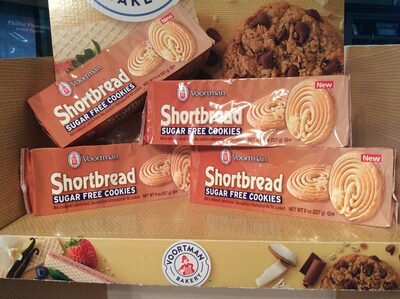
Shortbread Cookies zero sugar
- No added sugar
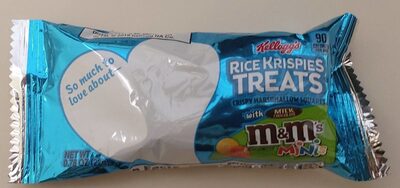
Rice Krispies- M&M minis
- No added sugar
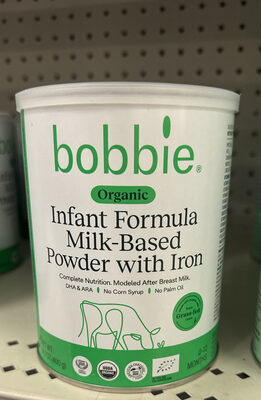
Infant Formula Milk-Based Powder With Iron
- No added sugar
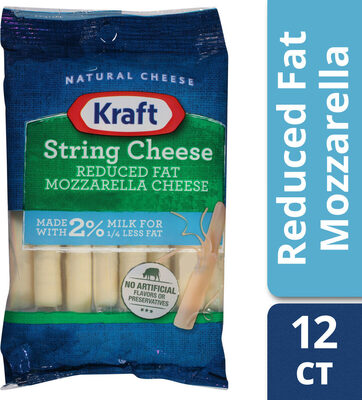
String cheese
- No added sugar
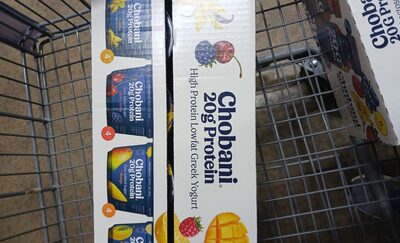
Zero Sugar Greek Yogurt
- No added sugar
Sweet Potatoes First Stage
- No added sugar
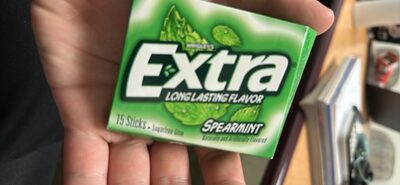
Spearmint Sugarfree Gum
- No added sugar
Frequently asked questions
Does brown rice syrup count as added sugar?
Yes. It is a syrup added during processing, and the Added Sugars gram line already includes it. Organic brown rice syrup still counts. The AHA 25 g child ceiling applies the same way as it does to cane sugar or corn syrup.
Is brown rice syrup safer than HFCS?
Brown rice syrup has near-zero fructose, so it sidesteps the HFCS-versus-sucrose fructose debate. It still adds the same grams to the Added Sugars line, and rice carries inorganic arsenic that HFCS does not. Calling it safer ignores the arsenic issue and the unchanged gram count.
Does FDA limit arsenic in brown rice syrup?
FDA's 100 ppb inorganic arsenic action level applies to infant rice cereal, not to brown rice syrup on a granola bar or in a toddler drink. Jackson 2012 measured arsenic in syrups, toddler formulas, and cereal bars and found the syrup-based products carried substantially more arsenic than non-rice alternatives.
Can USDA Organic kids food contain brown rice syrup?
Yes, when the syrup meets NOP rules. Jackson's highest-arsenic toddler formulas were labeled organic. The USDA Organic seal certifies production practices, not arsenic content. Organic rice absorbs arsenic from the same soil pathways as conventional rice.
Should toddlers consume daily products with rice syrup?
A daily drink or bar that lists brown rice syrup as the first ingredient raises two concerns: added-sugar grams (AHA says 0 g under age 2) and cumulative arsenic from rice. That combination is a pediatrician conversation, not a label-math exercise.
Do rice crisps and rice flour carry the same arsenic concern?
Yes. Rice flour, puffed rice, rice crisps, and rice flakes all accumulate inorganic arsenic from the plant. A granola bar sweetened with cane sugar but containing rice crisps still has rice arsenic exposure. Read the full ingredient list for all rice-based components, not just the sweetener name.
Related tools and guides
References
- FDA. Added Sugars on the Nutrition Facts Label
- CDC. Get the Facts: Added Sugars
- FDA. Arsenic in Rice and Rice Products
- Jackson et al., Environ Health Perspect 2012. Arsenic, Organic Foods, and Brown Rice Syrup
- FDA. Supporting Document for Action Level for Inorganic Arsenic in Rice Cereals for Infants
- USDA ERS. USDA ERS Sugar and Sweeteners Yearbook
- Vos et al., AHA / Circulation 2017. Added Sugars and Cardiovascular Disease Risk in Children
- González et al., Food Chem Toxicol 2020. Dietary exposure to total and inorganic arsenic via rice and rice-based products consumption
- Arcella et al., EFSA Journal 2021. Chronic dietary exposure to inorganic arsenic
- Scott et al., Risk Analysis 2025. Arsenic content and exposure in brown rice compared to white rice in the United States
- Gu et al., Int J Environ Res Public Health 2020. Arsenic Concentrations and Dietary Exposure in Rice-Based Infant Food in Australia
- USDA AMS. The National List
Label guides are screening aids for packaged food, not a diagnosis. They are not a substitute for a pediatrician or registered dietitian. Added-sugar limits cited here come from AHA, CDC, FDA, and the Dietary Guidelines. Quantity always comes from the Nutrition Facts Added Sugars line.