Ingredient guide
Stevia (Reb A) in Kids' Food: ADI, Leaf vs. Extract, and Erythritol Blends
Stevia on a US kids pack is a purified steviol glycoside, usually rebaudioside A (Reb A), cleared through FDA GRAS notices. FDA has not approved whole stevia leaf or crude extracts for conventional food. Import Alert 45-06 detains them at the border. JECFA set the ADI at 4 mg per kg per day expressed as steviol equivalents, which FDA charts as 12 mg/kg for Reb A specifically. A 20 kg child has an 80 mg steviol ceiling, roughly 240 mg of Reb A. Stevia does not count as added sugar, but most tabletop packets blend Reb A with erythritol for bulk. Those are two ingredients with different checks.
Reviewed September 2026
Not added sugar; purified extract only
Crude leaf is not legal in US conventional food. ADI is 4 mg/kg as steviol (about 240 mg Reb A for a 20 kg child). Packets often include erythritol.
Also listed as: stevia, rebaudioside A, Reb A, stevia leaf extract, steviol glycosides, E960
What stevia and rebaudioside A are
Stevia on a kids label means purified steviol glycosides extracted from the leaves of Stevia rebaudiana Bertoni, a perennial shrub in the Compositae family native to Paraguay and Brazil. Rebaudioside A (Reb A) is the glycoside in most US snacks. Stevioside, Reb D, Reb M, and blends appear too, each covered by its own GRAS notice. The plant makes more than 60 steviol glycosides sharing a steviol backbone conjugated with sugar moieties. The factory strips them to at least 95% purity.
These glycosides are 200 to 380 times sweeter than sucrose, depending on which one.
FDA has not approved whole stevia leaf or crude stevia extract as a food additive. Import Alert 45-06 flags those forms as not GRAS for conventional food because the toxicology file is incomplete. Purified glycosides are a different regulatory product. FDA has issued "no questions" letters on more than 39 GRAS notifications covering Reb A, stevioside, Reb D, Reb M, and enzyme-modified glycosides since 2008.
Purified stevia glycosides are not added sugars. The Nutrition Facts Added Sugars line does not include them. A yogurt can list 0 g added sugars and still name stevia leaf extract. Many tabletop blends pair Reb A with erythritol, making two ingredients, not one.
The 4 mg/kg ADI and what it means for a smaller body
JECFA set the acceptable daily intake at 4 mg per kg of body weight per day, expressed as steviol equivalents, based on a 100-fold safety factor applied to the NOAEL of 970 mg stevioside/kg bw/day from a two-year rat carcinogenicity study. EFSA, FSANZ, and Health Canada adopted the same number. FDA converted it to 12 mg/kg/day of Reb A for its packet chart because Reb A is roughly three times heavier than steviol molecule for molecule.
A 60 kg adult reaches the ADI at 240 mg of steviol (about 720 mg of Reb A). FDA says that is roughly 27 packets.
A 20 kg child reaches the same steviol line at 80 mg. That is about 9 of those packets. The margin narrows fast. But kids are not opening packets. The Reb A they get is already mixed into a drink or a snack, and the label does not print milligrams.
FDA intake modeling from GRAS notices estimates that high-consuming non-diabetic children would reach about 5.0 mg Reb A/kg bw/day, equivalent to about 1.64 mg steviol equivalents/kg bw/day. That sits below the 4 mg/kg ADI. JECFA once noted that high-consuming young children could reach 4.0 to 4.4 mg/kg steviol, about 110% of the upper ADI bound, but that was a conservative model assuming full replacement of all other high-intensity sweeteners.
15 kg child
60 mg
20 kg child
80 mg
30 kg child
120 mg
60 kg adult
240 mg
Which "stevia" is on a US kids label
| Name on the pack | What it is | US status | Added sugar |
|---|---|---|---|
| Rebaudioside A / Reb A | Purified glycoside, 200 to 380x sweetness | GRAS notices; FDA no questions | No |
| Stevia leaf extract (purified) | Mixed steviol glycosides, 95%+ purity | GRAS notices for named preparations | No |
| Reb M or Reb D | Next-gen glycosides with less aftertaste | Separate GRAS notices; some via enzymatic conversion | No |
| Whole stevia leaf or crude extract | Unpurified leaf or crude tea | Not approved for conventional food; Import Alert 45-06 | Not a US snack ingredient |
| Stevia plus erythritol blend | Glycoside plus a sugar alcohol | Two ingredients; erythritol has its own GI issues | Erythritol is not added sugar |
| Cane sugar or juice concentrate | Caloric sugars | Added sugars line | Yes |
How to use this page in the snack aisle
Read the ingredient list for "stevia leaf extract," "rebaudioside A," "Reb A," or "steviol glycosides." Then read Added Sugars grams. Then look one name further for erythritol, monk fruit, or cane sugar.
Blends are common.
A "naturally sweetened" claim is not a purity grade. Crude leaf is not legal in conventional US packaged food. The legal powder is still a high-intensity sweetener. AAP treats stevia as a nonnutritive sweetener under the GRAS path, the same category as sucralose and aspartame for ADI purposes.
AAP gives no guidance under age 2. Several GRAS notices also exclude infant formula. If the child is under 2, ask the pediatrician before a daily stevia yogurt habit.
Formula and worked examples
Share of the JECFA ADI equals steviol-equivalent milligrams times servings, divided by 4 times body weight in kilograms. If you only have Reb A milligrams, divide by about 3 to convert to steviol equivalents. The molecular weight of Reb A is 967 g/mol; steviol is 318 g/mol.
A 20 kg child has an 80 mg steviol ceiling.
FDA says 27 Reb A packets reach the 60 kg adult ADI. Scale by weight: a 20 kg child hits the same line at about 9 packets (27 x 20/60). Most parents are not counting packets, but the math shows how quickly a smaller body narrows the margin.
Most yogurt lids give you the name only. You cannot finish the formula. If a manufacturer publishes milligrams, use them. Otherwise treat the name as a yes/no and watch whether cane sugar is also on the list. If the cup lists stevia and 0 g added sugars, the AHA 25 g sugar ceiling is unused by that cup. The ADI meter can still move. If the cup lists stevia plus 8 g added sugars from cane sugar, both meters move.
15 kg child
About 7
20 kg child
About 9
30 kg child
About 14
60 kg adult (FDA chart)
27
Worked ADI checks using JECFA 4 mg/kg steviol and FDA packet scaling
| What you have | Steviol equivalents | Share of ADI | What to do next |
|---|---|---|---|
| 20 kg child, 1 FDA-style Reb A packet | About 9 mg steviol | About 11% of 80 mg | Fits if the rest of the day is unsweetened |
| 20 kg child, 9 packets | About 80 mg | About 100% | At the line |
| Stevia yogurt, mg unknown | Name only | Cannot compute | Count it as an NNS serving |
| Stevia plus 8 g cane sugar | Name plus 8 g added sugars | Two meters | The 8 g still uses 32% of the AHA 25 g ceiling |
| Child under 2, any stevia food | Name on the list | No AAP number | Ask the pediatrician |
How to read the result and what to do next
A 0 g Added Sugars stamp is not a stevia-free stamp. Water and plain milk still beat a diet pouch if the goal is fewer sweet tastes in the routine.
WHO published a 2023 conditional recommendation against using non-sugar sweeteners for weight control, citing a possible association with increased type 2 diabetes risk in long-term observational studies. Stevia glycosides sit in that NSS bucket alongside sucralose and aspartame. The guideline does not replace the JECFA ADI, and it notes the certainty of the evidence as low.
If the blend uses erythritol, the child can get GI upset from the sugar alcohol even when steviol milligrams are low. Read both names.
What US kids consume, and what labels omit
There is no official USDA table for milligrams of Reb A eaten each day by children ages 2 to 18.
AAP, using NHANES 2009-2012, reported that more than one quarter of US children consumed a nonnutritive sweetener, and about 80% of those children did so daily. The survey captured the sweetener category, not stevia grams specifically. Stevia use has grown since 2012.
GRAS Notice 638 estimated that high-consuming non-diabetic children would reach 5.0 mg Reb A/kg bw/day, equivalent to about 1.64 mg steviol equivalents/kg bw/day. That is below the 4 mg/kg ADI but already uses 41% of it. The estimate assumed full replacement of all other intense sweeteners with Reb A, which overstates real intake. JECFA reviewed similar models and noted that actual post-market exposures to steviol glycosides run 20% to 30% of the conservative replacement estimates, landing around 1 to 2 mg/kg bw/day expressed as steviol.
Labels still do not print milligrams. AAP asked manufacturers to disclose the amount of each nonnutritive sweetener. That has not happened.
Where stevia shows up in kids food
Purified stevia is common in reduced-sugar yogurt, flavored water, some juices sold as "no sugar added," protein drinks, tabletop packets, and certain baked mixes. Reb A is heat stable enough for some of these applications, unlike aspartame.
Truvia-style packets pair Reb A with erythritol. The ingredient list will show both. Do not treat the brand name as a single molecule.
Newer "next-gen" products use Reb M or Reb D for a cleaner taste. Reb M can now be produced via yeast fermentation of modified Yarrowia lipolytica instead of extraction from leaves, which changes the cost structure but not the regulatory category. The same JECFA ADI of 4 mg/kg steviol equivalents still applies.
"Natural" on the front does not prove the powder is Reb A rather than a blend, and it does not prove 0 g added sugars.
How steviol glycosides move through a child
Steviol glycosides are not absorbed in the upper GI tract. They pass intact to the colon, where gut bacteria strip the sugar side chains and release free steviol. Steviol is absorbed, glucuronidated in the liver to steviol glucuronide, and excreted in urine. That is why they add no calories.
A 2020 in vitro study incubated multiple steviol glycoside preparations, including enzymatically converted forms, in fecal homogenates from both adults and children. All glycosides, regardless of source or sugar-chain complexity, hydrolyzed to steviol through the same pathway. The authors concluded that safety data from adult metabolism studies apply to pediatric populations because the metabolic endpoint is identical.
This shared metabolic fate is why JECFA evaluates all steviol glycosides under a single ADI rather than setting separate limits for Reb A, Reb D, or Reb M.
Gut microbiome and metabolic evidence
The gut microbiome question comes up because earlier rodent work found that Reb A shifted microbial taxa and reduced dopamine-related gene expression in the nucleus accumbens. Those rats drank Reb A in water for 9 weeks. The dose was not a yogurt-cup equivalent, and the study found no change in weight gain or glucose tolerance despite the microbial shifts.
A 2024 randomized, double-blinded trial in 59 healthy adults settled some of the uncertainty. Participants drank a stevia-sweetened beverage at 25% of the ADI daily for 4 weeks. Shotgun sequencing found no significant differences in gut microbiota at any taxonomic level, no changes in fecal short-chain fatty acids, and no differences in fasting glucose, insulin, or lipids compared to the sucrose group. BMI rose by 0.3 kg/m2 in the sucrose group but not in the stevia group.
A 2026 narrative review of human clinical studies across glucoregulatory function, gut microbiome, and weight management confirmed the pattern: stevia rebaudiosides show no statistically significant effects on glycemia, insulinemia, blood lipids, appetite hormones, or gut microbiota composition in studies lasting up to three months. The authors noted that longer-term data are still needed.
A 2019 BMJ systematic review of non-sugar sweeteners found a smaller BMI z-score rise in children when NSS replaced sugar, with moderate certainty from two studies, and little else it could trust. WHO later used that evidence base for the 2023 NSS guideline.
Mouse studies on Reb D found reduced visceral fat, lower liver triglycerides, and enrichment of Faecalibaculum rodentium without detrimental metabolic effects. A separate 2025 mouse study found Reb D and Reb M did not exacerbate obesity, hepatic steatosis, or muscle metabolic dysfunction. Neither study tested children.
USDA Organic and WHO
Organic snacks can use organic stevia preparations that meet the National Organic Program rules. That is different from sucralose, which is a synthetic additive off the National List. Organic stevia can still be a high-intensity sweetener.
Organic cane sugar can still add grams.
Crude leaf teas sold as supplements are not the same as a GRAS-notice powder in yogurt. Do not dose a child from a leaf tea and call it the ADI. Supplement-grade stevia sits under a different regulatory framework (DSHEA) with no FDA pre-market review for safety in food.
Limits, edge cases, and safety
This page does not diagnose a sweetener sensitivity. It does not estimate milligrams in a product that only lists the name.
Some children notice a licorice-like aftertaste and refuse the food. That is a taste preference, not a toxicity signal. Reb M and Reb D were developed specifically to reduce that off-taste.
If the child is on a ketogenic or diabetes plan, the clinician decides whether stevia is allowed. Human clinical trials at doses of 1 to 1.5 g/day of Reb A or stevioside for up to 16 weeks showed no adverse effects on blood glucose in adults with type 2 diabetes, but that does not substitute for a diabetes team decision in a child.
The erythritol in a Truvia-style blend can cause bloating and loose stools in some children at doses above 0.5 to 0.7 g/kg. The stevia milligrams are usually irrelevant to that GI complaint. Read both names on the label and attribute the symptom to the right ingredient.
A 2026 comprehensive review confirmed that steviol glycosides are not genotoxic, not carcinogenic, and not associated with reproductive or developmental toxicity at approved use levels. The same review flagged uncertainty around chronic cumulative exposure at population scale and called for longer human studies. Current JECFA and FDA positions remain unchanged.
Snacks that do not list Stevia (Reb A)
Open a product page in an aisle where this name is common. We check the stored ingredient text, not a front-of-pack claim.
A snack can skip stevia (reb a) and still add cane sugar or juice concentrate. Count the Added Sugars grams.
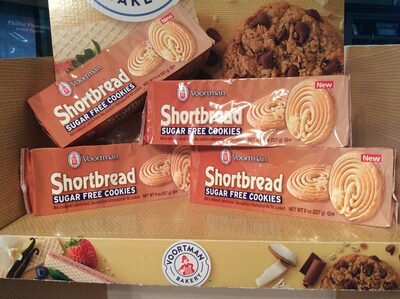
Shortbread Cookies zero sugar
- No added sugar
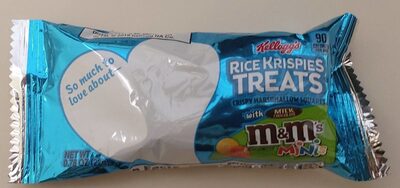
Rice Krispies- M&M minis
- No added sugar
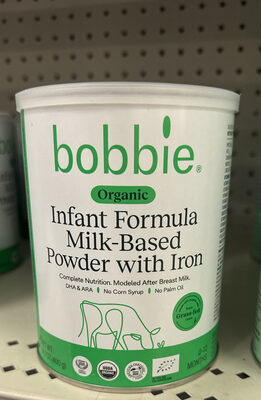
Infant Formula Milk-Based Powder With Iron
- No added sugar
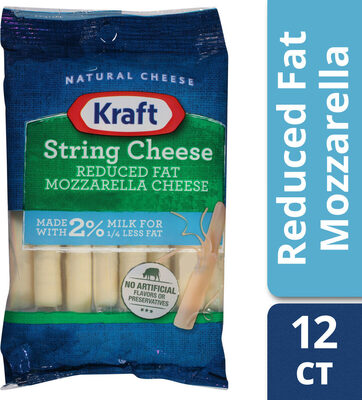
String cheese
- No added sugar
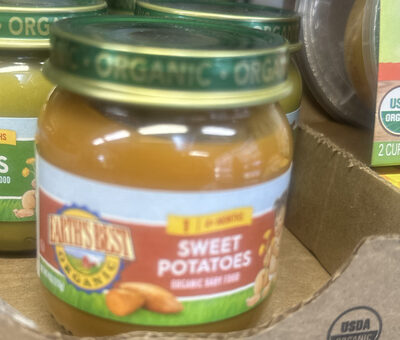
Sweet Potatoes First Stage
- No added sugar
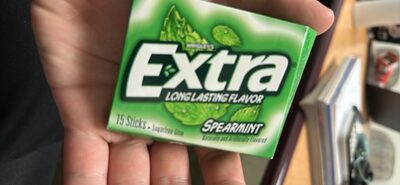
Spearmint Sugarfree Gum
- No added sugar
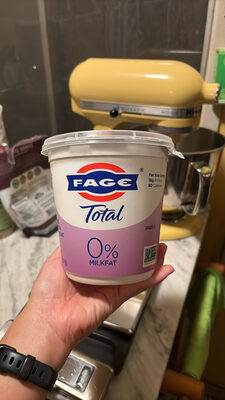
Total 0% Milkfat
- No added sugar
Frequently asked questions
Is stevia the same as the leaf I can buy as tea?
No. FDA Import Alert 45-06 detains whole stevia leaf and crude extracts at the border when intended for conventional food use. The powder in a kids snack is a purified steviol glycoside (at least 95% purity) that went through a GRAS notice. The leaf tea and the food-grade extract are different products with different regulatory status.
Does stevia count as added sugar?
No. Purified steviol glycosides are high-intensity sweeteners. They add sweetness without calories or sugar grams. Cane sugar, honey, or juice concentrate in the same product still counts on the Added Sugars line.
How much stevia is safe for a child?
JECFA set the ADI at 4 mg per kg per day as steviol equivalents. A 20 kg child has an 80 mg steviol ceiling, which converts to about 240 mg of Reb A. FDA charts this as roughly 27 adult packets at 60 kg. Labels do not print milligrams. AAP gives no specific guidance for children under 2.
Why is erythritol listed next to stevia?
Reb A is so intensely sweet that tabletop packets bulk it with erythritol (a sugar alcohol) to give the powder volume. Those are two separate ingredients. Erythritol can cause GI upset at high doses and has been linked to cardiovascular markers in adult studies. Read both names on the label.
Can USDA Organic kids food contain stevia?
Yes. Organic snacks can use organic stevia preparations that meet NOP rules. This distinguishes stevia from synthetic sweeteners like sucralose, which are not allowed in organic products. Organic stevia is still a high-intensity sweetener, and organic sugar in the same product still adds grams.
Did WHO ban stevia for kids?
No. WHO's 2023 guideline conditionally recommends against using non-sugar sweeteners for weight control. It does not override the JECFA ADI of 4 mg/kg as steviol, and WHO stated the advice does not replace national regulatory decisions.
Related tools and guides
References
- FDA. Aspartame and Other Sweeteners in Food
- FDA. Safe Levels of Sweeteners (packet chart)
- FDA. High-Intensity Sweeteners
- FDA. Import Alert 45-06
- JECFA / WHO. STEVIOL GLYCOSIDES
- FDA / Hunan HBI. GRAS Notice 638: High purity steviol glycosides (Reb A)
- Baker-Smith et al., AAP Pediatrics 2019 (reaffirmed 2025). The Use of Nonnutritive Sweeteners in Children
- WHO, 2023. Use of non-sugar sweeteners: WHO guideline
- Purkayastha et al., Regul Toxicol Pharmacol 2020. Metabolic fate in adult and pediatric population of steviol glycosides produced from stevia leaf extract by different production technologies
- Nettleton et al., Nutrients 2019. Low-Dose Stevia (Rebaudioside A) Consumption Perturbs Gut Microbiota and the Mesolimbic Dopamine Reward System
- Kwok et al., J Nutrition 2024. Comparison of a Daily Steviol Glycoside Beverage vs. a Sucrose Beverage for Four Weeks on Gut Microflora in Healthy Adults
- Peng et al., Frontiers in Nutrition 2026. The progress on stevia: chemical composition, pharmacokinetics, pharmacological effects, safety, applications, and biosynthesis
- Scott et al., Nutrients 2026. Stevia Rebaudiosides Usage as a Sugar Reduction Tool: A Narrative Review of Their Metabolic, Gut Microbiome and Weight Management Effects in Human Clinical Studies
- Toews et al., BMJ 2019. Association between intake of non-sugar sweeteners and health outcomes: systematic review and meta-analyses
- Morissette et al., Scientific Reports 2024. Rebaudioside D decreases adiposity and hepatic lipid accumulation in a mouse model of obesity
- Lim et al., Food Chemistry: X 2025. Rebaudioside D and M, the next-generation sugar substitutes, do not exacerbate metabolic dysfunction in high-fat diet mice
- USDA AMS. The National List
Label guides are screening aids for packaged food, not a diagnosis. They are not a substitute for a pediatrician or registered dietitian. Added-sugar limits cited here come from AHA, CDC, FDA, and the Dietary Guidelines. Quantity always comes from the Nutrition Facts Added Sugars line.