Ingredient guide
Sugar Alcohols in Kids' Food: Erythritol, Xylitol, Sorbitol, and Maltitol
Sugar alcohols (polyols) such as erythritol, xylitol, sorbitol, and maltitol sweeten food with fewer calories than sugar and do not count as added sugars. A sugar-free candy can show 0 g on the Added Sugars line and still contain 12 g of maltitol. They can loosen stool, and FDA requires a laxative-effect warning on foods with sorbitol or mannitol. Xylitol is toxic to dogs and must be stored out of a pet's reach. Adult studies in 2023 and 2024 linked higher plasma erythritol with cardiovascular events and increased platelet reactivity; FDA has not withdrawn any GRAS notices based on those findings.
Reviewed September 2026
Not added sugar; GI upset at high doses
A sugar-free candy with 12 g maltitol still shows 0 g added sugars. Sorbitol and mannitol require a laxative warning. Xylitol is toxic to dogs.
Also listed as: erythritol, xylitol, sorbitol, maltitol, mannitol, polyols, HSH
What sugar alcohols are
Sugar alcohols are carbohydrates whose chemical structure sits between a sugar and an alcohol. They are not ethanol. The names on kids packs are erythritol, xylitol, sorbitol, maltitol, mannitol, isomalt, lactitol, and hydrogenated starch hydrolysates (HSH). Each behaves differently in the gut, on the label, and in a child's day.
They taste sweet, usually less sweet than table sugar. The gut absorbs them incompletely, so FDA assigns them fewer calories per gram than sucrose. They do not feed plaque bacteria the way sucrose does, which is why FDA permits qualified dental health claims for certain polyols under 21 CFR 101.80.
They are not added sugars on the US Nutrition Facts line. A "sugar-free" candy can list 0 g added sugars and still deliver 10 g of maltitol.
FDA requires a laxative warning on foods that contain sorbitol or mannitol: "excess consumption may have a laxative effect." Other polyols produce the same result at high doses. Erythritol is the exception. It is absorbed in the small intestine, not fermented in the colon, and excreted unchanged in urine. That is why it causes far less bloating than maltitol or sorbitol at the same gram weight.
Label rules and calorie factors
21 CFR 101.9 lists the calorie factors manufacturers must use when calculating Nutrition Facts: erythritol 0 kcal/g (the regulation rounds its negligible absorption to zero), mannitol 1.6, isomalt 2.0, lactitol 2.0, maltitol 2.1, xylitol 2.4, sorbitol 2.6, and HSH 3.0. Table sugar is 4.
Manufacturers must print a Sugar Alcohols line on the Nutrition Facts panel whenever they make a claim about sugars or sugar alcohols. If no claim is made, the polyol grams may not appear on the panel. The ingredient list still names them.
There is no FDA ADI in mg/kg for sugar alcohols as a class.
The practical ceiling is GI tolerance: the dose at which the gut pulls water into the intestine and fermentation gases appear. That dose varies by polyol, by person, and by what else was eaten. A child who handles 10 g of erythritol in a cookie may double over at 10 g of sorbitol in a candy. The two molecules are not interchangeable.
Dashed line: Table sugar (4 kcal/g)
Erythritol
0
Mannitol
1.6
Xylitol
2.4
Sorbitol
2.6
Table sugar
4
Common polyols on a kids label
| Name | FDA kcal/g | Added sugar? | Key note for parents |
|---|---|---|---|
| Erythritol | 0 | No | Best GI tolerance of all polyols; recent adult cardiology papers flag platelet effects |
| Xylitol | 2.4 | No | Dental health claims allowed (21 CFR 101.80); toxic to dogs |
| Sorbitol | 2.6 | No | Laxative warning required on label |
| Maltitol | 2.1 | No | Common in sugar-free chocolate; GI load can be large |
| Mannitol | 1.6 | No | Laxative warning required on label |
| Isomalt | 2.0 | No | Used in hard candies; GI threshold is low |
| Sucrose or HFCS | 4 | Yes | Counts toward the AHA 25 g child ceiling |
How to use this page in the snack aisle
Find the polyol name on the ingredient list. Then look at Total Carbohydrate and, if printed, the Sugar Alcohols gram line. Then read Added Sugars. Those can all be different numbers on the same panel.
If the pack says sugar-free and lists maltitol near the top, treat the serving as a GI experiment. Start with one serving, not the whole bag.
Sorbitol and mannitol packs carry the required laxative sentence. If that sentence is there, believe it. Children weigh less than the adults who tested those warnings.
Formula and worked examples
Added-sugar share equals grams of added sugar times servings eaten, divided by 25 (ages 2 to 18). Polyol grams do not go in that numerator.
A sugar-free chocolate with 0 g added sugars and 12 g maltitol uses 0% of the AHA 25 g sugar ceiling. It still delivers about 25 kcal from the polyol (12 times 2.1). Two servings are 24 g maltitol. That is a dose many children will feel in the gut within two hours.
A stevia-erythritol packet adds almost no calories and 0 g added sugars.
Under age 2, AHA already says 0 g added sugars. A polyol candy is still a processed sweet food. It is not a toddler staple and the pediatrician has not approved it as one.
Dashed line: One 12 g serving (12 g)
Sugar-free gum, 1 piece
About 1 g
Sugar-free chocolate, 1 serving
12 g
Two servings
24 g
Worked checks when the pack says "sugar-free"
| What you have | Added sugars | Polyol load | What to do next |
|---|---|---|---|
| Sugar-free gum, 1 piece with xylitol | 0 g | About 1 g xylitol | Fine for teeth; keep away from dogs |
| Sugar-free chocolate, 12 g maltitol | 0 g | 12 g maltitol (about 25 kcal) | One serving, then wait before more |
| Two of those chocolates | 0 g | 24 g maltitol | GI upset is likely; stop there |
| Keto cookie, erythritol + stevia, 8 g erythritol | 0 g | 8 g erythritol (0 kcal) | Better GI tolerance than maltitol; still a sweet snack |
| Child under 2, any polyol candy | Often 0 g | Any grams | Not a staple; ask the pediatrician |
How to read the result and what to do next
Zero added sugars does not mean zero carbohydrate or zero gut effect.
If the child already has loose stools, swap out the largest polyol source before blaming fruit or dairy. A single sugar-free chocolate bar delivering 12 g maltitol is more osmotic load than a cup of grapes. The stool diary should track polyol snacks alongside everything else.
WHO's 2023 NSS guideline covers high-intensity sweeteners, not polyol GI tolerance. Use the FDA calorie factors and the laxative warning for the shopping decision, not the WHO recommendation.
Dental health claims and the evidence behind them
FDA allows two qualified health claims for sugar alcohols under 21 CFR 101.80. A food that meets the requirements can state that "frequent eating of foods high in sugars and starches between meals promotes tooth decay" and that the sugar alcohol in the food "does not promote tooth decay." The claim requires that the food not lower plaque pH below 5.7 during consumption.
Xylitol has the deepest dental evidence. Finnish studies dating to the 1970s showed that xylitol gum reduced caries incidence in children. The mechanism is straightforward: Streptococcus mutans cannot ferment five-carbon polyols into acid. Xylitol also inhibits bacterial adhesion to enamel and may reduce maternal-to-child transmission of cariogenic bacteria when mothers chew xylitol gum during the child's first two years.
Erythritol may outperform xylitol for dental outcomes. A 2018 review in Advances in Dental Research reported that erythritol reduced dental plaque weight, plaque acids, and mutans streptococci counts in saliva and plaque better than both sorbitol and xylitol, and resulted in fewer tooth restorations by dentist intervention.
The dental benefit does not make a chocolate bar a health food. A sugar-free candy with 15 g maltitol is non-cariogenic. It is also 15 g of osmotic load heading for the colon.
What US kids consume
There is no official USDA table reporting grams of erythritol, maltitol, or any other polyol eaten each day by American children ages 2 to 18.
School "sugar-free" fundraiser candy is a common surprise load. A child who eats three sugar-free chocolate bars at a bake sale can take in 36 g of maltitol in one sitting. Read the maltitol line before handing the bag back.
AAP's 2019 clinical report on nonnutritive sweeteners in children noted that more than one quarter of US children consumed at least one product containing a nonnutritive sweetener (NHANES 2009-2012). That headcount includes products containing polyols but does not report polyol grams separately from high-intensity sweeteners like sucralose or aspartame.
Where sugar alcohols show up in kids food
Xylitol and sorbitol dominate sugar-free gum and mints. Maltitol dominates sugar-free chocolate, protein bars, and some "no sugar added" ice cream. Erythritol dominates "keto" cookies, stevia-blend packets, and zero-sugar carbonated drinks. HSH shows up in some syrups and chewy candy.
A "no sugar added" claim can still hide juice concentrate (which is added sugar) or a polyol (which is not added sugar). Read both the gram line and the ingredient list.
Combination products are common. A protein bar may list maltitol, erythritol, and sucralose on the same label. That is two polyols and a high-intensity sweetener. Run the GI check for the polyol grams and a separate ADI check for the sucralose if you ever get milligrams.
Erythritol, xylitol, and the cardiovascular question
In 2023, Cleveland Clinic researchers reported in Nature Medicine that higher fasting plasma erythritol was associated with incident major adverse cardiovascular events (MACE) in two independent cohorts of adults undergoing cardiac evaluation. The adjusted hazard ratio in the US validation cohort (n = 2,149) was 1.80 (95% CI 1.18 to 2.77) for the fourth versus first quartile. In vitro and animal studies showed that physiological levels of erythritol enhanced platelet reactivity and accelerated thrombus formation.
A 2024 follow-up in Arteriosclerosis, Thrombosis, and Vascular Biology tested 10 healthy volunteers who ingested 30 g of erythritol. Plasma erythritol rose more than 1,000-fold above baseline. Stimulus-dependent platelet aggregation increased in all subjects and across all agonists tested. Glucose ingestion at the same dose produced no such effect.
The same group published a parallel paper on xylitol in the European Heart Journal. Fasting plasma xylitol in the validation cohort (n = 2,149) was associated with incident MACE risk (third vs. first tertile adjusted HR 1.57, 95% CI 1.12 to 2.21). Xylitol ingestion by 10 healthy volunteers enhanced multiple platelet responsiveness measures within 30 minutes.
A 2025 review in Cardiovascular Research by Wölnerhanssen and colleagues examined the full evidence and drew a different conclusion. Mendelian randomization analyses did not link sugar alcohols to significant cardiovascular risks. Studies on critically ill patients receiving large intravenous xylitol doses (up to 3 g/kg/day, approved by regulators in Germany and Japan for decades) showed no excess cardiovascular events. The authors noted that the elevated fasting levels in the Witkowski cohorts reflect endogenous polyol production in metabolically sick patients, not dietary intake from gum or cookies.
Commentaries from Bonomini (European Heart Journal 2024) and a Mazi review (Nutrients 2023) reinforced this point: patients with inborn errors of polyol metabolism who carry chronically elevated erythritol do not exhibit higher platelet activation or thrombosis. The Witkowski platelet studies used single timepoints with no placebo arm, and acute platelet aggregation also shifts with physical exertion and ordinary food intake.
FDA has not withdrawn erythritol or xylitol GRAS notices. No regulatory agency has changed a polyol ADI or approval status based on these papers. The debate is active and unresolved. If a teenager with known clotting risk consumes erythritol-sweetened drinks daily, that is a conversation for the cardiologist, not a label-reading exercise.
Xylitol and dogs
Xylitol triggers a massive insulin release in dogs. A 10 kg dog that eats two pieces of xylitol gum can develop life-threatening hypoglycemia within 30 minutes and liver failure within 72 hours. The toxic dose is as low as 0.1 g per kg of body weight for hypoglycemia and 0.5 g/kg for hepatic necrosis.
If the household has a dog, store xylitol gum, mints, peanut butter, and baked mixes the way you store medication: high shelf, sealed container.
Erythritol does not appear to carry the same canine toxicity risk, but the evidence base is smaller. Do not assume any polyol is dog-safe without checking.
Limits, edge cases, and safety
This page does not diagnose fructose malabsorption, IBS, or FODMAP sensitivity. Sorbitol can worsen all three. A child with recurrent abdominal pain and a daily sorbitol gum habit deserves a conversation with the pediatric GI, not a label swap.
Children with diabetes still count carbohydrate grams. Polyols are not a free food on every carb-counting plan. Some regimens count half the polyol grams as carbohydrate. Follow the clinic sheet, not the "sugar-free" claim.
If a pack lists both maltitol and sucralose, you have a polyol GI load and a high-intensity sweetener. Run both checks: the gut tolerance check for the maltitol grams, and the ADI check for the sucralose if milligrams are ever disclosed.
A "sugar-free" or "no sugar added" stamp tells you about the Added Sugars line. It tells you nothing about polyol grams, calorie content, or gut tolerance. Water and plain milk skip all of these meters.
Snacks that do not list Sugar alcohols
Open a product page in an aisle where this name is common. We check the stored ingredient text, not a front-of-pack claim.
A snack can skip sugar alcohols and still add cane sugar or juice concentrate. Count the Added Sugars grams.
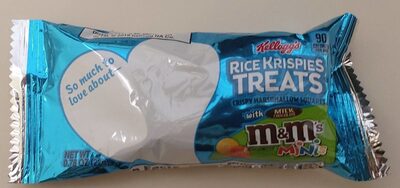
Rice Krispies- M&M minis
- No added sugar
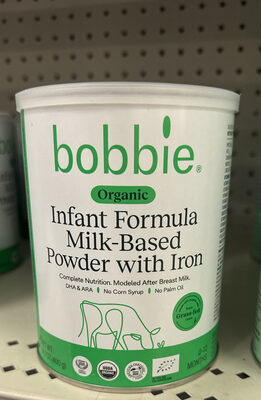
Infant Formula Milk-Based Powder With Iron
- No added sugar
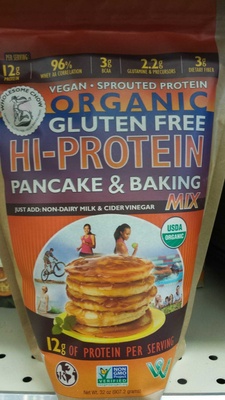
High-protein pancake & waffle mix
- No added sugar
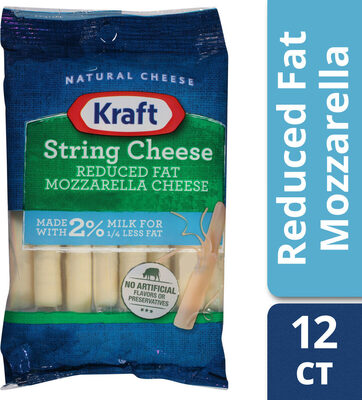
String cheese
- No added sugar
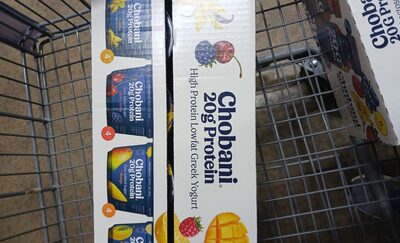
Zero Sugar Greek Yogurt
- No added sugar
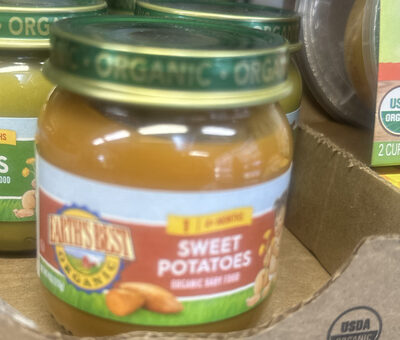
Sweet Potatoes First Stage
- No added sugar
Frequently asked questions
Do sugar alcohols count as added sugar?
No. FDA lists sugar alcohols separately from added sugars. A sugar-free candy can show 0 g on the Added Sugars line and still contain 12 g of maltitol listed under Total Carbohydrate or in the ingredient list. The AHA 25 g child ceiling tracks added sugars only.
Why does the pack warn about a laxative effect?
FDA requires foods containing sorbitol or mannitol to state "excess consumption may have a laxative effect." The threshold varies by person and polyol type. Maltitol and isomalt can cause the same effect at high doses even without the mandatory warning. Start with one serving and increase slowly.
Is xylitol safe for kids but dangerous for dogs?
Xylitol in gum or mints can reduce cavity-causing bacteria in children. FDA lists it as GRAS for food use. It is acutely toxic to dogs, causing hypoglycemia and liver failure even in small amounts. Store xylitol products where pets cannot reach them.
Should I avoid erythritol after the clotting studies?
A 2023 Cleveland Clinic study linked higher plasma erythritol levels with cardiovascular events in adults. A 2024 follow-up showed increased platelet reactivity after a 30 g erythritol dose. FDA has not withdrawn any erythritol GRAS notices. These are adult cardiovascular studies, not a pediatric safety limit. If a teen has clotting risk factors, discuss erythritol with the clinician.
How many calories are in sugar alcohols?
FDA assigns reduced calorie factors: xylitol 2.4 kcal/g, sorbitol 2.6 kcal/g, maltitol 2.1 kcal/g, mannitol 1.6 kcal/g. Sugar is 4 kcal/g. Erythritol is treated as about 0.2 kcal/g because the body excretes most of it unchanged in urine.
Are sugar alcohols appropriate for children under 2?
AHA recommends 0 g added sugars under age 2. A polyol-sweetened candy is still a processed sweet food. There is no specific polyol guidance for infants or toddlers. Ask the pediatrician before a daily sugar-alcohol habit at that age.
Related tools and guides
References
- eCFR. 21 CFR 101.9 Nutrition labeling of food (sugar alcohol calorie factors)
- FDA, October 2021. Interactive Nutrition Facts Label — Sugar Alcohols
- FDA. High-Intensity Sweeteners
- Witkowski et al., Nature Medicine 2023. The artificial sweetener erythritol and cardiovascular event risk
- FDA. Added Sugars on the Nutrition Facts Label
- WHO, 2023. Use of non-sugar sweeteners: WHO guideline
- Baker-Smith et al., AAP Pediatrics 2019 (reaffirmed 2025). The Use of Nonnutritive Sweeteners in Children
- eCFR. 21 CFR 101.80 Health claims: dietary noncariogenic carbohydrate sweeteners and dental caries
- de Cock, Advances in Dental Research 2018. Erythritol Functional Roles in Oral-Systemic Health
- Mäkinen et al., J Dent Res 1995. Xylitol chewing gums and caries rates: a 40-month cohort study
- Witkowski et al., ATVB 2024. Ingestion of the Non-Nutritive Sweetener Erythritol, but Not Glucose, Enhances Platelet Reactivity and Thrombosis Potential
- Witkowski et al., European Heart Journal 2024. Xylitol is prothrombotic and associated with cardiovascular risk
- Wölnerhanssen et al., Cardiovascular Research 2025. Sweeteners: erythritol, xylitol and cardiovascular risk — friend or foe?
- Bonomini et al., European Heart Journal 2024. Elevated serum xylitol levels and cardiovascular risk: an active component or an innocent bystander?
- Mazi et al., Nutrients 2023. Elevated Erythritol: A Marker of Metabolic Dysregulation or Contributor to the Pathogenesis of Cardiometabolic Disease?
Label guides are screening aids for packaged food, not a diagnosis. They are not a substitute for a pediatrician or registered dietitian. Added-sugar limits cited here come from AHA, CDC, FDA, and the Dietary Guidelines. Quantity always comes from the Nutrition Facts Added Sugars line.