Sugar Check

Best Low-Sugar Granola Bars for Kids (2026)

Granola bars are one of the most variable categories - some are basically candy bars, others are genuinely nutritious. These picks all have ≤3g added sugar and meaningful protein or fiber to keep kids full.

TL;DR

Popular kids' granola bars carry 5 to 12g added sugar per serving: Quaker Chewy has 7g and a two-bar Nature Valley Crunchy pouch has 11 to 12g. Every bar below has 3g added sugar or less, ranked by protein and fiber.

Ranked picks

#BrandProductServingAdded sugarProteinFiberTierSource
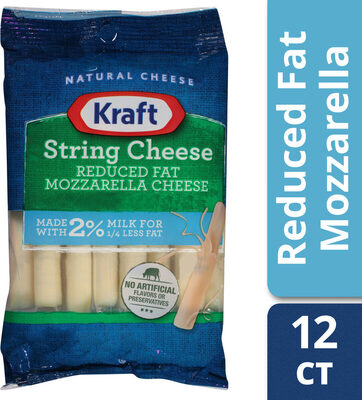
1HeinzString cheese24g - 6g0g
A
OFF · 2026-09
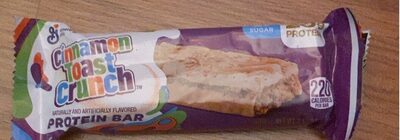
2General MillsGeneral Mills Cinnamon toast crunch protein bar1 bar (60 g) - 20g6g
C
OFF · 2026-09
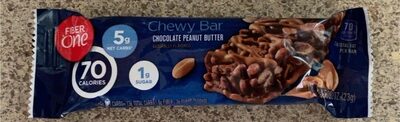
3Fiber OneFiber One 90 Calorie Chocolate Peanut Butter Chewy Bar1 bar (23 g) - 5g6g
C
OFF · 2026-09
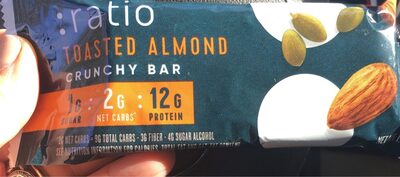
4General MillsToasted almond41g - 12g3g
C
OFF · 2026-09
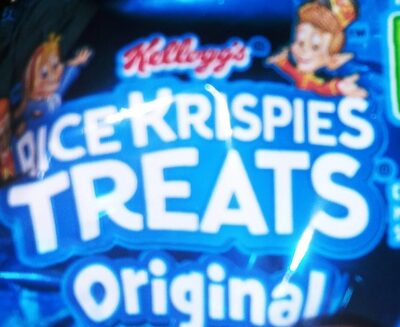
5Kellogg'sKellogg'S Rice Krispies Treats Squares Whole Grain .42Oz1 Bar (12 g) - 0g0g
C
OFF · 2026-09
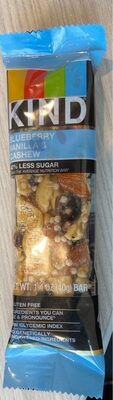
6KINDBlueberry, Vanilla & Cashew Bar40 g - 1.6g -
C
OFF · 2026-09
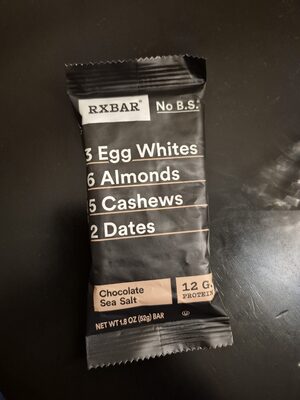
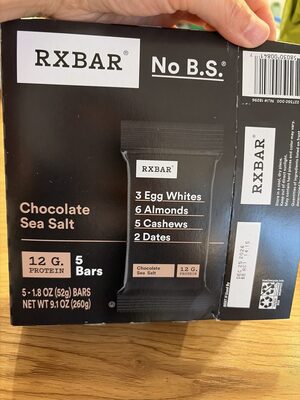
7RXBARChocolate Sea Salt RX Bar1 bar (52 g)0g12g5g
A
OFF · 2026-09
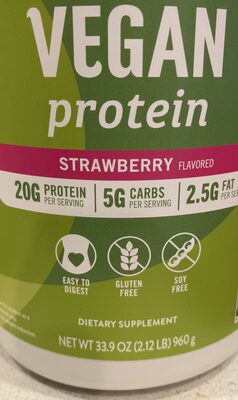
8SproutsStrawberry Vegan Protein31g0g20g3g
A
OFF · 2026-09
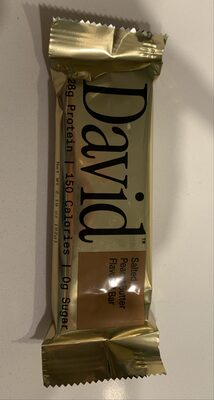
9DavidSalted Peanut Butter Flavored Bar1 serving (62 g)0g28g0.6g
A
OFF · 2026-09
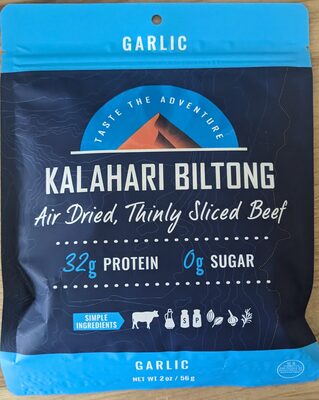
10Kalahari BiltongGarlic Biltong1 PACKAGE (56 g)0g32g0g
A
OFF · 2026-09
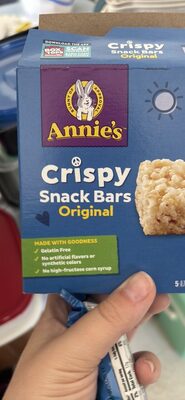
11Annie'sCrispy Snack Bars Original1 bar (22 g) (22 g)0g1g0g
A
OFF · 2026-09
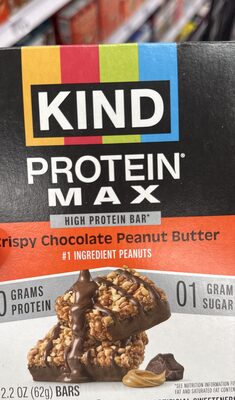
12KINDCrispy Chocolate Peanut Butter1 bar (62 g)0g20g9g
B
OFF · 2026-09
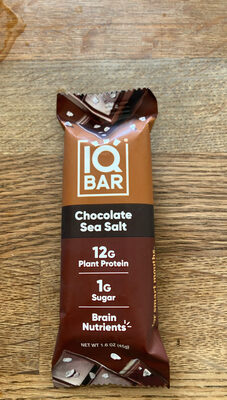
13IQ BARIq Bar Chocolate Sea Salt1 bar (45 g)0g12g9g
B
OFF · 2026-09
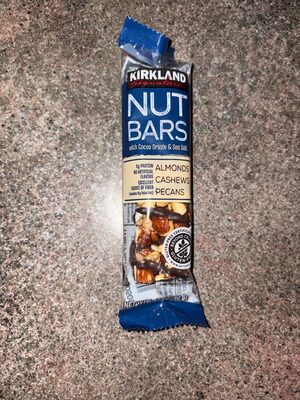
14KirklandNut Bars1 bar (40 g)0g5g8g
B
OFF · 2026-09
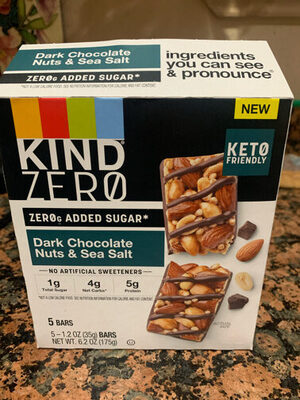
15KIND ZERODark Chocolate Nuts & Sea Salt1 serving (35 g)0g5g7g
B
OFF · 2026-09
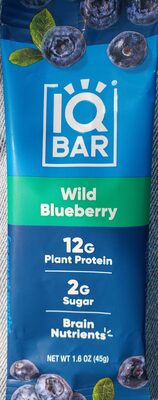
16IQ BARWild Blueberry1 bar (45 g)0g12g6g
B
OFF · 2026-09
17RXBARBlueberry Bar1 bar (52 g)0g12g6g
B
OFF · 2026-09
18Fiber OneCalorie chocolate peanut butter bars1 bar (23 g)0g5g6g
B
OFF · 2026-09
19RXBARChocolate Sea Salt1 bar (52 g)0g12g5g
B
OFF · 2026-09
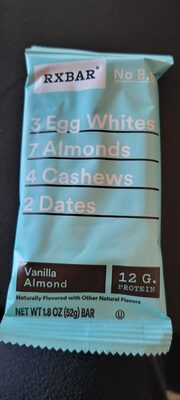
20RXBARVanilla Almond1 serving (52 g)0g12g5g
B
OFF · 2026-09

The short answer

Most granola bars sold for kids have 5 to 12 grams of added sugar. The lowest-sugar bars, with 0 to 3 grams, are usually fruit-and-nut bars sweetened only with dates, or newer bars that use fiber instead of syrup.

For kids aged 2 to 18, the American Heart Association recommends under 25 grams of added sugar a day (AHA scientific statement). A bar with 7 grams uses more than a quarter of that. Every bar on the list below has 3g of added sugar or less.

These are the bars most parents already know. Numbers come from manufacturer pages and the USDA Branded Foods database as of October 2026. Watch the serving size column. Some brands count two bars as one serving.

Bar Serving Added sugar Protein Fiber
Nature Valley Oats ’n Honey Crunchy 2 bars (42g) 11g 3g 2g
Nature Valley Oats ’n Dark Chocolate Crunchy 2 bars (42g) 12g 3g 3g
Quaker Chewy Chocolate Chip 1 bar (24g) 7g 1g 1g
MadeGood Chocolate Chip 1 bar (24g) about 6g 1g 2g
KIND Kids Chewy Chocolate Chip 1 bar (23g) 5g 1g 1g
Nature Valley Peanut Butter Crunchy 1 bar (21g) 5g 2g 1g

None of these are on our list. All of them are Tier D or E.

They aren’t candy bars. But the difference between the “healthy” kids’ brands and the mainstream ones is smaller than the packaging suggests. KIND Kids and MadeGood are 1 to 2 grams lower than Quaker Chewy. That’s real, but none of them gets under 3g.

Watch the two-bar trap

Nature Valley Crunchy bars come two to a pouch, and the label serving is two bars. That’s honest labeling. But it means 11 grams of added sugar if your child eats what’s in the wrapper.

The reverse also happens. Some bars list a serving as one bar, but come in a pouch of two. Check how many bars are in the wrapper, then multiply the Added Sugars line by that number.

Why “whole grain” and “organic” don’t mean low sugar

Oats are the first ingredient in almost every granola bar. That’s why “made with whole grain” shows up on the front. It says nothing about sugar.

Read the next few ingredients. If you see two or three of these, the bar is sweet:

  • Sugar, cane sugar, brown sugar
  • Brown rice syrup, tapioca syrup, invert cane syrup
  • Honey, agave nectar, molasses
  • Corn syrup, corn syrup solids

Organic versions of these are still added sugar. FDA counts all of them on the Added Sugars line (FDA, Added Sugars on the Nutrition Facts Label).

Many kids’ bars split sugar across three or four different syrups. Each one sits lower on the ingredient list, which makes the bar look less sugary than it is. The Added Sugars number cuts through that.

Date bars: zero added, but not zero sugar

Bars made from dates, nuts and fruit (Larabar is the best-known example) often show 0g added sugar and 15g or more total sugar. Whole dates mashed into a bar are not counted as added sugar under FDA rules. Date paste or juice concentrate used as a sweetener can be.

For the AHA added sugar budget, these bars are Tier B. They still have a lot of sugar per bite, and dried fruit sticks to teeth. Treat them as a sweet snack you serve with water, not a sipping-all-afternoon snack.

What to look for instead

A good everyday kids’ bar meets most of these:

  • 3g added sugar or less per bar actually eaten
  • 2g fiber or more, ideally from oats, seeds or fruit
  • 3g protein or more, so the bar actually holds them until dinner
  • No sugar alcohols like sorbitol or maltitol, which can cause stomach upset in kids
  • Nut-free if it’s going to school. Seed-based bars (sunflower, pumpkin) are the usual workaround

Bars that hit all five are rare. The ranked list below sorts by added sugar first, then protein and fiber, so the most filling low-sugar bars rise to the top.

Do kids need bars at all?

Bars are convenient, and convenience is a real need. But the 2020 to 2025 Dietary Guidelines for Americans list sweet snacks and breakfast bars among the top sources of added sugar for Americans ages 1 and up (Dietary Guidelines for Americans).

If you’re reaching for a bar every day, rotate in snacks with no added sugar at all: a cheese stick and an apple, plain yogurt, roasted chickpeas, or a handful of nuts for older kids. Save bars for the days you truly need something that lives in a backpack.

How we built this list

Every bar below is in our database with an Added Sugars value read from its Nutrition Facts panel. We include Tier A to C only (3g added sugar or less per labeled serving) and filter out adult protein bars with 20g+ protein. Bars with missing or unreadable labels are left off until we can verify them.

If the bar you bought has a different number than our page, trust the wrapper. Manufacturers reformulate often.
Evidence review

What the research says

These sources inform our editorial criteria. They do not replace advice from your child’s pediatrician or registered dietitian.

  1. 1

    USDA data identify granola and breakfast bars as a meaningful source of added sugar in school breakfasts.

    USDA report on added sugars in school meals
  2. 2

    FDA recognizes intact fiber from whole grains, fruit, and other plant foods as beneficial to health.

    U.S. Food and Drug Administration

Common questions

Why does Sugar Check use 3g added sugar for Tier C when some schools allow more?

USDA is phasing in school meal limits such as 6g added sugar per dry ounce for breakfast cereal (school year 2025–26). Our Tier C cutoff is tighter for everyday home snacks: 3g added per labeled serving. Tier D (4–5g) is “reduced” relative to candy-bar-style bars, not a daily default.

The wrapper lists two bars as one serving. Which number do I use for my kid?

Use the Added Sugars grams for the serving size printed on the label. If your child always eats both bars in the pouch, multiply: two single-bar servings means double the added sugar toward the AHA 25g daily guidance for ages 2–18. Many “mini” bars are one bar per serving; check the flavor you buy.

Added sugar is 0g but total sugar is high from dates. How should I read that?

FDA treats date and fruit concentrates used as sweeteners as added sugar when they are added in processing; plain date paste in a two-ingredient bar often shows up as natural total sugar with 0g added. We flag high natural sugar on product pages when total sugar exceeds 8g with zero added. That is still Tier B for added-sugar budgeting, but portion size matters for teeth and appetite.

Why is a chewy “whole grain” bar Tier E while a date bar is Tier B?

Tier comes from the Added Sugars line, not from oats on the front. Bars with cane sugar, brown rice syrup, or tapioca syrup in the first ingredients usually land Tier D or E even when marketed to kids. Date-nut bars can be Tier B with higher total sugar because the sweetness is from fruit, not from a separate added-sugar line on many labels.

Are bars a good daily school snack if they pass Tier C?

Dietary Guidelines data group breakfast cereals and bars among top added-sugar sources for Americans ages 2 and up. A Tier C bar can fit in a day that stays under 25g added sugar total; it should not automatically replace fruit, milk, or nuts if those work for your family. Rotation matters more than finding one “perfect” bar.

How do nut-free school rules interact with low-sugar bars?

Seed bars (sunflower, pumpkin) can be Tier C with no peanuts or tree nuts in the ingredient list, but “may contain” warnings still matter for allergy plans. Filter nut free on browse and read the allergen statement. Made Good and several seed brands target classrooms; verify sugar per mini bar, not just allergen claims.

Why is a bar missing from this list when I can buy it?

This page only includes bars where we can read Added Sugars on the Nutrition Facts label. If that line is missing or the label is unclear, the bar stays off the ranking until we can verify it.

Do nonnutritive sweeteners change the tier?

Stevia, monk fruit, and sugar alcohols can keep added sugar low or at zero without changing tier logic. We list sweeteners on the product page when detected in ingredients. Pediatric groups have called for more long-term data on sweetener use in children; tier rating is not a green light to increase serving size.

How much sugar is in a Quaker Chewy bar?

A Quaker Chewy Chocolate Chip bar (24g) lists 7g added sugar and 1g protein. That is Tier E on our scale, about 28% of the AHA daily limit for kids in one small bar.

Are KIND Kids and MadeGood bars low sugar?

They are lower than many mainstream bars but not low by our standard. KIND Kids Chewy Chocolate Chip lists 5g added sugar per 23g bar and MadeGood Chocolate Chip about 6g per 24g bar. Both are Tier D or E.

Updated: 2026-09-18How we rate snacks →