Ingredient guide
Acesulfame Potassium (Ace-K) in Kids' Food
Acesulfame potassium (Ace-K) is a calorie-free sweetener about 200 times sweeter than sugar. FDA regulates it as a food additive (21 CFR 172.800) with an ADI of 15 mg per kg of body weight. EFSA raised its EU ADI from 9 to 15 mg/kg in January 2025, matching FDA and JECFA. A 20 kg child has a 300 mg daily ceiling. Ace-K does not count as added sugar. It is heat stable and almost always paired with sucralose or aspartame to mask its metallic aftertaste. That pairing means two separate ADI meters are running, not one combined limit.
Reviewed September 2026
Not added sugar; FDA ADI is 15 mg/kg
A 20 kg child has a 300 mg ceiling. EFSA matched the FDA ADI in 2025. Almost always paired with sucralose or aspartame; each has its own separate ADI.
Also listed as: acesulfame potassium, acesulfame K, Ace-K, E950, Sunett, Sweet One
What acesulfame potassium is
Acesulfame potassium is a synthetic, calorie-free sweetener roughly 200 times sweeter than table sugar. The chemical name is 6-methyl-1,2,3-oxathiazine-4(3H)-one-2,2-dioxide, potassium salt, and its CAS registry number is 55589-62-3. On a kids pack, it appears as "acesulfame potassium," "acesulfame K," or "Ace-K."
It passes through the body unchanged. The kidneys excrete it without breaking it down, which is why it adds sweetness but no calories and no grams on the Added Sugars line.
FDA regulates Ace-K as a food additive under 21 CFR 172.800, not as GRAS. The 2003 final rule broadened it to a general-purpose sweetener and flavor enhancer in all foods except meat and poultry. Purity must be at least 99% on a dry basis. Fluoride in the additive is capped at 30 mg/kg.
Most kids encounter Ace-K blended with a second sweetener. Diet sodas, flavored waters, and sugar-free gelatin commonly pair it with sucralose or aspartame because the blend masks the metallic aftertaste that Ace-K alone can leave.
The 15 mg/kg ADI and what it means for a smaller body
FDA set the acceptable daily intake at 15 mg per kilogram of body weight per day in 1988, based on a 100-fold safety factor applied to the highest dose tested without adverse effects in a two-year rat study. That ADI has not changed in over 35 years of additional review.
EFSA agreed. In its January 2025 re-evaluation of acesulfame K (E 950), the panel raised the EU ADI from 9 to 15 mg/kg bw/day, now matching both FDA and JECFA. The panel concluded that "current dietary exposure estimates do not indicate a safety concern" across all population groups, including toddlers.
A 60 kg adult reaches the ADI at 900 mg; a 20 kg child reaches it at 300 mg.
FDA illustrates the adult ceiling as roughly 23 sweetener packets per day. A 20 kg child would reach the same limit in about 8 packets. That is a tabletop exercise. In practice, kids are not opening packets. The Ace-K they get is already mixed into a drink or a snack, and the label does not print milligrams.
15 kg child
225 mg
20 kg child
300 mg
30 kg child
450 mg
60 kg adult (FDA packet chart)
900 mg
Ace-K versus the sweeteners it is commonly paired with
| Sweetener | US ADI | Heat stable | Typical pairing |
|---|---|---|---|
| Acesulfame potassium | 15 mg/kg/day | Yes | Sucralose or aspartame |
| Sucralose | 5 mg/kg/day | Yes | Ace-K |
| Aspartame | 50 mg/kg/day | No | Ace-K in some diet sodas |
| Stevia (Reb A) | 4 mg/kg/day (steviol equiv.) | Yes | Erythritol |
| Cane sugar or HFCS | No ADI; AHA 25 g/day ages 2 to 18 | Yes | None |
How to use this page in the snack aisle
Flip the pack and scan the ingredient list for "acesulfame potassium" or "acesulfame K." Then look for a second high-intensity sweetener name. Then check the Added Sugars line.
Two names means two separate ADI meters running at once, not one combined limit.
Labels print names, not milligrams. AAP acknowledged this gap in its 2019 clinical report on nonnutritive sweeteners in children: without milligram disclosure, parents cannot finish the ADI calculation from most packages. The report was reaffirmed in 2025.
For children under 2, AAP provides no specific NNS guidance. If the pediatrician has not cleared a daily diet-drink habit at that age, skip it.
Formula and worked examples
ADI share equals Ace-K milligrams consumed, divided by (15 times body weight in kilograms).
One FDA-style sweetener packet holds roughly 39 mg of Ace-K. For a 20 kg child with a 300 mg daily ceiling, a single packet uses 13% of the day. Eight packets would bring the child to the line. Most parents are not counting packets, but the math shows how quickly a smaller body narrows the margin.
A drink listing both Ace-K and sucralose with 0 g added sugars leaves the AHA 25 g sugar ceiling untouched. Both ADI meters still move independently.
15 kg child
About 6
20 kg child
About 8
30 kg child
About 12
60 kg adult (FDA chart)
23
Worked ADI checks for Ace-K (FDA 15 mg/kg)
| Scenario | Ace-K estimate | Share of ADI | Next step |
|---|---|---|---|
| 20 kg child, 1 sweetener packet | About 39 mg | 13% of 300 mg | Fits if the rest of the day has no NNS drinks |
| 20 kg child, 8 packets | About 312 mg | About 100% | At the ceiling |
| Diet drink, Ace-K + sucralose, mg unknown | Two names listed | Cannot compute either ADI | Count as two NNS servings |
| Child under 2, any Ace-K product | Name on the list | No AAP benchmark | Ask the pediatrician |
How to read the result and what to do next
A 0 g Added Sugars stamp means the sugar meter is at zero, not that the product is free of intense sweeteners. The Ace-K meter may still be running.
Water and plain milk skip both meters entirely. If the goal is fewer sweet tastes in the daily routine, those remain the baseline drinks before reaching for a diet option.
WHO published a 2023 conditional recommendation against using non-sugar sweeteners for weight control, citing a possible association with increased type 2 diabetes risk in long-term observational studies. That guideline covers Ace-K along with five other NNS. It does not replace the 15 mg/kg ADI, and it notes the certainty of the evidence as low.
What US kids consume
There is no official USDA table reporting milligrams of Ace-K consumed per day by American children.
AAP's 2019 clinical report cited NHANES 2009-2012 data showing that more than one quarter of US children consumed at least one product containing a nonnutritive sweetener. That is a headcount, not a dose estimate. It does not distinguish Ace-K from sucralose or aspartame.
A 2020 Chilean study of 250 schoolchildren ages 6 to 12 found that 92.8% consumed products containing Ace-K over the previous month, primarily from beverages. No child exceeded the ADI. Younger children carried higher body-weight-adjusted intakes because the same serving fills a larger fraction of a smaller ceiling.
EFSA's 2025 re-evaluation estimated mean Ace-K exposure among brand-loyal European toddlers at up to 5.2 mg/kg bw/day, with the 95th percentile reaching 15.7 mg/kg bw/day. That 95th percentile barely exceeds the ADI, and the panel still concluded no safety concern because the exposure scenario was conservative.
Where Ace-K shows up in kids food
Diet sodas, sugar-free sports drinks, flavored waters, zero-sugar gelatin, powdered drink mixes, and some protein shakes. Heat stability also puts it in a handful of baked "zero sugar" snack bars and frozen treats.
If Ace-K appears on the label, check one name over. The second sweetener is usually sucralose. That pairing is the product's sweetening system, not a single ingredient.
What the evidence says
Regulatory agencies maintain that Ace-K is safe within the ADI. FDA reached that conclusion in 1988 and reaffirmed it through a 2003 general-purpose expansion. JECFA agreed in 1983 and 1991. EFSA raised its own ADI to match in January 2025 after a full re-evaluation that included systematic review of human and animal studies.
A 2023 network meta-analysis of 36 acute trials (472 participants) found that NNS beverages containing Ace-K, alone or blended, produced no postprandial glucose, insulin, or gut hormone effects different from water.
A 2023 prospective cohort study from Taiwan followed 884 girls ages 6 to 12 and found that Ace-K consumption above the median dose was associated with a higher risk of central precocious puberty (OR 1.88, 95% CI 1.16 to 3.06). The researchers showed that Ace-K increased GnRH expression in rat hypothalamic neurons through a reactive oxygen species and PKA pathway. This is a single cohort with animal mechanistic support, not a confirmed causal relationship, and it has not yet changed any regulatory ADI.
A 2025 comprehensive review in Food Chemistry concluded that Ace-K "appears chemically stable and well-tolerated in humans" but flagged uncertainties around chronic cumulative exposure, gut microbiota shifts observed in animal models at supraphysiological doses, and evidence of placental and lactational transfer. The authors called for multi-omics human studies at dose-relevant levels.
Internet posts about "petroleum-derived" chemicals or residual methylene chloride do not reflect how FDA wrote 21 CFR 172.800. The regulation sets purity at 99% and caps fluoride. Cite the CFR, not a wellness blog.
USDA Organic and WHO positions
Ace-K is a synthetic food additive. It does not appear on the USDA Organic National List of allowed nonorganic ingredients. A product carrying the USDA Organic seal should not contain Ace-K.
Organic cane sugar, organic tapioca syrup, or fruit concentrate can still add grams to the Added Sugars line. The organic seal answers a production-method question, not a sweetness question.
Limits, edge cases, and safety
This page cannot estimate milligrams in a product that only prints the name. US labels do not require milligram disclosure for high-intensity sweeteners.
A metallic aftertaste is a taste preference, not a toxicity signal. Pick a different drink.
The potassium in Ace-K is nutritionally insignificant. Do not count it toward a medical potassium target.
Phenylketonuria (PKU) warnings apply to aspartame, not to Ace-K. If both names appear on the same label, the PKU notice is for the aspartame.
If a child shows signs of excessive thirst, frequent urination, or unexplained weight change, see a clinician. Those symptoms relate to metabolic health broadly, not to a specific sweetener.
Snacks that do not list Acesulfame potassium
Open a product page in an aisle where this name is common. We check the stored ingredient text, not a front-of-pack claim.
A snack can skip acesulfame potassium and still add cane sugar or juice concentrate. Count the Added Sugars grams.
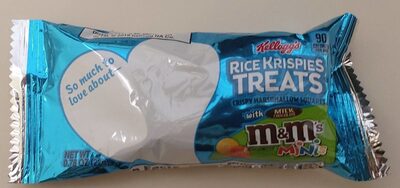
Rice Krispies- M&M minis
- No added sugar
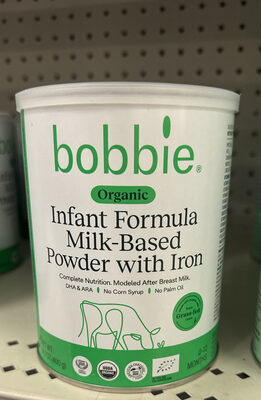
Infant Formula Milk-Based Powder With Iron
- No added sugar
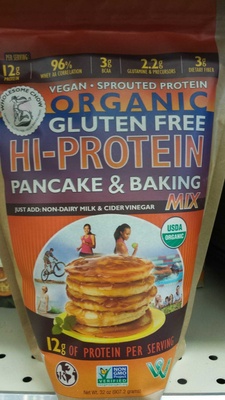
High-protein pancake & waffle mix
- No added sugar
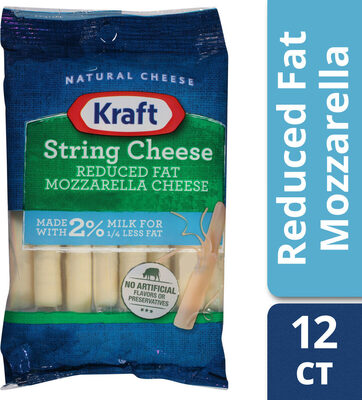
String cheese
- No added sugar
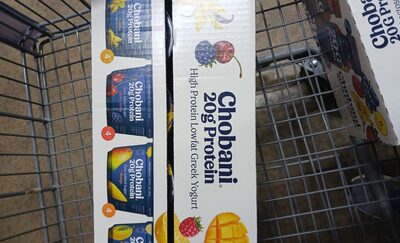
Zero Sugar Greek Yogurt
- No added sugar
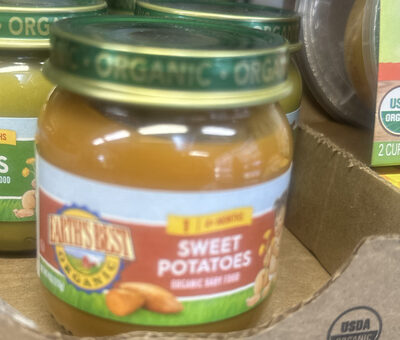
Sweet Potatoes First Stage
- No added sugar
Frequently asked questions
Does Ace-K count as added sugar?
No. Ace-K is a calorie-free high-intensity sweetener. A flavored water can show 0 g on the Added Sugars line and still list acesulfame potassium. Cane sugar or juice concentrate in the same product still counts toward the AHA 25 g child ceiling.
Why is sucralose or aspartame on the same label?
Manufacturers pair Ace-K with sucralose or aspartame because the blend masks the metallic aftertaste that Ace-K leaves alone. Each sweetener has its own independent ADI. Do not add 15 mg/kg (Ace-K) and 5 mg/kg (sucralose) into one combined limit. They are separate meters.
How much Ace-K is safe for a child?
FDA set the ADI at 15 mg per kg per day. A 20 kg child has a 300 mg ceiling. EFSA's 2025 re-evaluation raised the EU ADI from 9 to 15 mg/kg to match FDA and JECFA, concluding no safety concern at current exposure levels, including for toddlers. Labels do not print milligrams. AAP gives no NNS guidance for children under 2.
Is Ace-K made from petroleum?
21 CFR 172.800 defines identity (at least 99% purity on a dry basis) and caps fluoride at 30 mg/kg. The regulation specifies what the finished additive must be, not the feedstock origin. Blog posts about petroleum chemistry do not reflect how FDA wrote the rule.
Can USDA Organic kids food contain Ace-K?
No. Ace-K is a synthetic food additive not listed on the USDA Organic National List. A product carrying the USDA Organic seal should not contain it. Organic sugar or fruit concentrate in the same product still adds grams.
Did WHO ban Ace-K for kids?
No. WHO's 2023 guideline conditionally recommends against using non-sugar sweeteners to control body weight, citing low-certainty evidence. It does not override national ADIs. FDA's 15 mg/kg ADI remains unchanged.
Related tools and guides
References
- eCFR. 21 CFR 172.800 Acesulfame potassium
- FDA. High-Intensity Sweeteners
- FDA. Safe Levels of Sweeteners (packet chart)
- Baker-Smith et al., AAP Pediatrics 2019 (reaffirmed 2025). The Use of Nonnutritive Sweeteners in Children
- WHO, 2023. Use of non-sugar sweeteners: WHO guideline
- Zhang et al., Nutrients 2023. The Effect of Non-Nutritive Sweetened Beverages on Postprandial Glycemic and Endocrine Responses: A Systematic Review and Network Meta-Analysis
- USDA AMS. The National List of Allowed and Prohibited Substances
- EFSA Panel, 2025. Re-evaluation of acesulfame K (E 950) as food additive
- Martinez et al., Nutrients 2020. Intake of Non-Nutritive Sweeteners in Chilean Children after Enforcement of a New Food Labeling Law
- Wu et al., Journal of Hazardous Materials 2023. Consumption of the nonnutritive sweetener acesulfame potassium increases central precocious puberty risk
- Chowdhury et al., Food Chemistry 2025. Beyond sweetness: A review of the health and safety of acesulfame-K
Label guides are screening aids for packaged food, not a diagnosis. They are not a substitute for a pediatrician or registered dietitian. Added-sugar limits cited here come from AHA, CDC, FDA, and the Dietary Guidelines. Quantity always comes from the Nutrition Facts Added Sugars line.