Sugar Check

Cereals With the Least Sugar: Best Low-Sugar and Sugar-Free Picks (2026)

For cereals with the least sugar, start with exact varieties, not a brand name alone. Plain shredded wheat styles, unsweetened grain puffs, and several protein cereals in our catalog record 0g added sugar per serving. Original Cheerios is a useful low-sugar comparison at about 1g added sugar on typical U.S. labels, not a zero-added-sugar pick. Honey Nut and other flavored rings are much higher.

TL;DR

The numbered list on this page is every Tier A or B cereal in our catalog with 0g recorded added sugar, sorted ascending then by fiber. The American Heart Association recommends kids ages 2–18 keep added sugar under 25g per day. For 1–3g added sugar picks (Tier C), see Best Low-Sugar Cereal for Kids.

20 products on this shortlist · 458 live cereals in catalog with added-sugar data · AHA child ceiling 25g added sugar/day

Quick comparison: top 10 by added sugar

Recorded values per serving; portions differ. Missing data shows as unknown. Open a product for ingredients and source dates.

#BrandProductServingAdded sugarTotal sugarTierSource
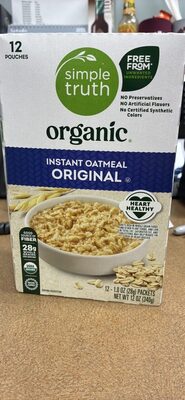
1simple truthinstant oatmeal original28 g (1 cup)0g0g
A
OFF · 2026-09
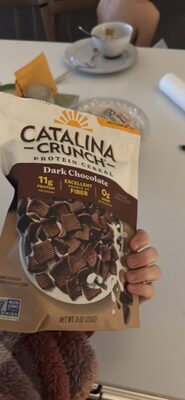
2Catalina CrunchDark Chocolate Protein Cereal0.75 cup (54 g)0g0g
A
OFF · 2026-09
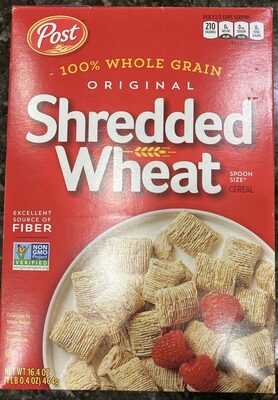
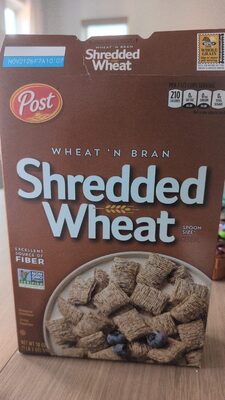
3PostShredded Wheat Original1.333 cups (60 g)0g0g
A
OFF · 2026-09
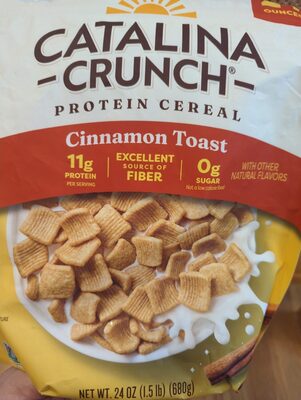
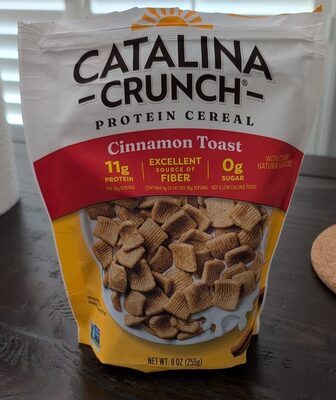
4Catalina CrunchCatalina Crunch Cinnamon Toast Protein Cereal1 serving (36 g)0g0g
A
OFF · 2026-09
5Catalina CrunchCinnamon Toast Protein Cereal1 portion (36 g)0g0g
A
OFF · 2026-09
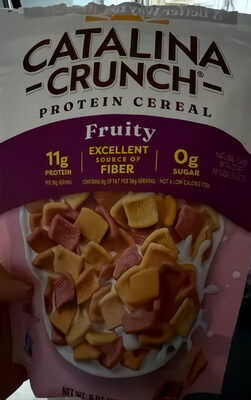
6Catalina CrunchFruity Protein Cereal1 serving (36 g)0g0g
A
OFF · 2026-09
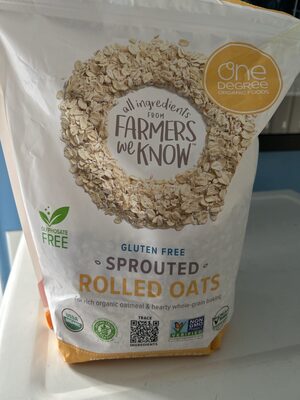
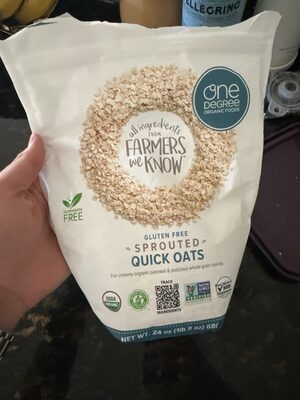
7One Degree Organic FoodsSprouted Rolled Oats0.5 cup (52 g)0g0g
A
OFF · 2026-09
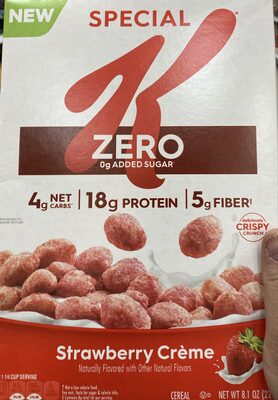
8Special KStrawberry Crème Special K Cereal1.01 /4 cup (42 g)0g0g
A
OFF · 2026-09
9One Degree Organic FoodsSprouted Quick Oats0.5 cup (51 g)0g0g
A
OFF · 2026-09
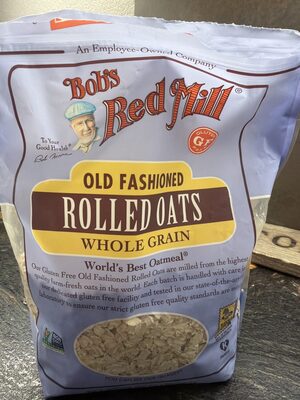
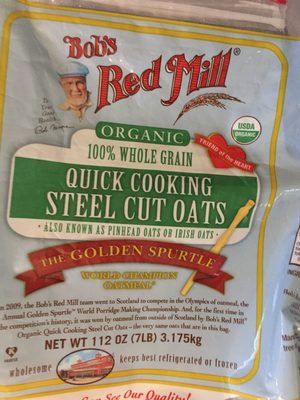
10Bob's Red MillOld Fashioned Rolled Oats1/2 cup (48 g)0g0g
A
OFF · 2026-09

The List: 20 cereals under 0g added sugar

Why this list, and how we chose

How we ranked cereals (and what “sugar free” means here)

This shortlist includes only Tier A and Tier B cereals with 0g recorded added sugar per serving. Tier A means less than 0.5g total sugar per serving under FDA labeling rules. Tier B is zero added sugar (natural fruit or dairy sugars may still appear on Total Sugars). For 1–3g added sugar, use Best Low-Sugar Cereal for Kids.

That matches how parents actually shop. Search data clusters around “no sugar cereal,” “cereals without sugar,” “lowest sugar cereals,” and “breakfast cereal with low sugar.” Those phrases point to the same job: find a box that will not spend most of a child’s daily sugar budget before school starts.

The American Heart Association recommends no more than 25g of added sugar per day for children ages 2 to 18, and no added sugar for children under 2 (AHA scientific statement). EWG’s cereal work recommends 4g or less total sugar per serving when you can get it (EWG children’s cereals report). USDA child-care rules use 6g added sugar per dry ounce as the creditable limit for breakfast cereal (USDA CACFP guidance).

Label-backed picks parents ask for most

These are widely discussed low-sugar boxes. Numbers come from U.S. Nutrition Facts labels as of September 2026. Always re-check your box; recipes change.

Product Added sugar (typical serving) Fiber Notes
Original Cheerios 1g per 1½ cup (39g) 4g Classic low-sugar oat ring; flavored Cheerios are much higher
Rice Chex 3g per 1 cup (40g) 2g Gluten-free; good crunchy base for nut-free schools
Corn Chex 3g per 1 cup (40g) 1g Similar profile to rice; watch cinnamon or honey variants
Kix 3g per 1¼ cup (30g) on some labels; verify yours 3g Kid-friendly puff; still Tier C, not zero sugar
Barbara’s Puffins Original 6g per ¾ cup (27g) 3g Tier D on our scale; still on many dietitian “≤6g” shortlists
Cascadian Farm Purely O’s under 1g added per 1¼ cup (30g) 4g O-shaped; closer to “no added sugar” than honey O’s
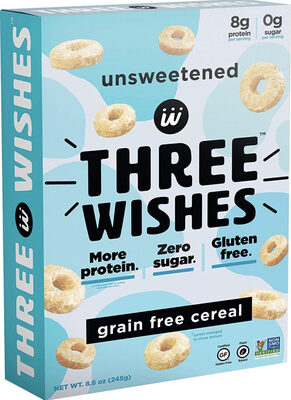
Three Wishes unsweetened 0g added 3g Chickpea-based; Tier A in our catalog
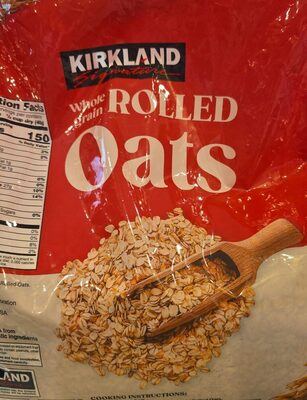
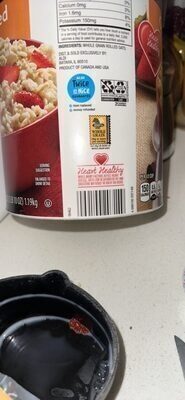
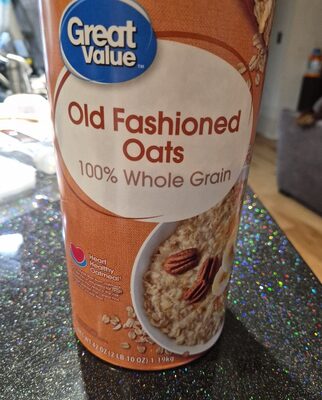
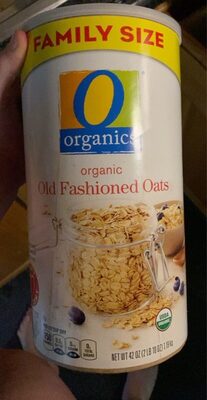
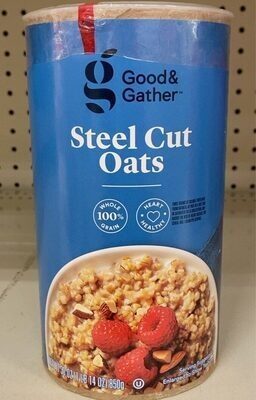
Plain rolled oats (any brand) 0g added 4g+ Tier A/B; not instant flavored packets
Shredded wheat (plain) 0g added 6g+ Tier A/B; texture takes adjustment for some kids
Crispy rice (store brand or name brand) 0–3g added 0–1g Check label; frosted versions jump to Tier E

The comparison table and product cards above use cereals currently in our catalog. They update when we add a box or correct a label.

Cereals with the least sugar vs. “healthy” marketing

More than half of cereals in our category still land in Tier D or E. Organic, whole grain, and “heart healthy” front-of-box claims do not predict sugar. In our data, some organic honey O styles exceed 20g added sugar per serving, which is most of a child’s daily AHA allowance in one bowl.

Claim on the box What it does not tell you
Organic Pesticide and GMO standards; sugar can still be high
Made with whole grain Grain type; not added sugar grams
Good source of fiber Fiber can coexist with heavy sweetening
Reduced sugar Relative to that brand’s older recipe, not to health limits

Serving sizes: the hidden multiplier

EWG and NHANES-based analyses show kids often eat 1.5 to 2 times the labeled cereal portion (EWG serving size analysis). If a label lists 3g added sugar for ¾ cup but your child pours 1½ cups, breakfast already delivered 6g before juice or syrup.

How to use this page at the store

  1. Flip to Nutrition Facts.
  2. Read Includes Xg Added Sugars (not only total sugars).
  3. Note the serving size in grams and compare to CACFP’s added-sugar-per-ounce chart if you use child care or school breakfast rules.
  4. Estimate your child’s usual portion and multiply added sugar.
  5. Open the product page on Sugar Check for tier, allergens, and sweetener flags.

Zero added sugar (Tier A and B) vs. “lowest sugar” mainstream boxes

Tier A and B picks are the answer to strict “no sugar cereal” and “cereals without sugar” intent. Plain oats, unsweetened puffs, and several specialty grain cereals qualify.

Tier C (≤3g added) picks cover “low sugar cereals,” “lowest sugar cereals,” and “breakfast cereal sugar free” searches where parents accept a small amount of added sweetener but reject dessert-level boxes.

If you need a softer transition from frosted loops or honey nut styles, see our long-form cereal analysis for swap tables and worst offenders.

Fiber and protein: do not stop at sugar

USDA and FDA fiber guidance treats 3g fiber per serving as a useful “good source” benchmark for kids comparing otherwise low-sugar boxes (FDA fiber Q&A). A 1g-sugar cereal with no fiber may still leave kids hungry an hour later. We break ties toward higher fiber and protein in the ranked table.

What we are still adding to the catalog

Parent searches and store shelves change faster than any static list. We add popular boxes such as Barbara’s Puffins and Cascadian Farm Purely O’s when we can verify Nutrition Facts from the package. If a cereal you buy every week is missing from the ranked table, browse all cereals or use Snack Finder to search by name.

Accuracy limits

Added sugar labeling is required on most U.S. packages, but small packages and imports can lag. Fortified cereals vary by region. This page is label screening, not medical advice. For children with diabetes, failure to thrive, or strict clinical diets, use portions and targets from your pediatric team.

Evidence review

What the research says

These sources inform our editorial criteria. They do not replace advice from your child’s pediatrician or registered dietitian.

  1. 1

    The American Heart Association recommends no more than 25g of added sugar per day for children ages 2 to 18.

    American Heart Association scientific statement
  2. 2

    EWG recommends choosing cereals with no more than one teaspoon (4 grams) of sugar per serving when possible.

    Environmental Working Group
  3. 3

    CACFP breakfast cereals must contain no more than 6 grams of added sugars per dry ounce.

    USDA Food and Nutrition Service (CACFP)
  4. 4

    NHANES data cited by EWG show children and teens often consume cereal portions larger than the labeled serving, increasing actual sugar intake.

    Environmental Working Group

Wondering about a specific brand?

Full label evaluations for the most searched US kids cereals—added sugar, tier, dyes, and daily budget math.

All cereal evaluations →

Label and list questions

Why does this ranking require 0g added sugar instead of “low sugar”?

Search intent on this URL is “sugar free” and “cereals with the least sugar,” which in our data means the Added Sugars line reads zero after we normalize each label serving. Tier C cereals (1–3g added) live on Best Low-Sugar Cereal for Kids and in the category sort. Splitting the lists keeps zero-added picks from being buried under 1g oat rings.

How should I multiply sugar when my child pours more than the label cup?

Take the grams on the Added Sugars line and scale by portion: half a labeled serving is half the grams; double the pour is double the grams. NHANES-style analyses show many school-age children eat well above the printed cup measure, so a 3g label can become 6g in the bowl before milk. Our charts on the cereal blog walk through one worked example.

What is the gap between FDA “sugar free” and zero added sugar?

FDA sugar free refers to less than 0.5g total sugar per reference amount (Tier A here). Zero added sugar means 0g on the Added Sugars line even when Total Sugars is higher from fruit or milk ingredients (Tier B). FDA defines added sugars as syrups, honey, concentrated fruit juice used as sweetener, and sugars added in processing—not lactose in plain milk or sugar in intact fruit.

Does a cereal that meets USDA child-care cereal limits automatically appear here?

Not necessarily. CACFP creditable cereals must stay at or below 6g added sugar per dry ounce, which still allows several grams per bowl. This page is stricter: recorded 0g added, Tier A or B, live in our cereal category. WIC-approved lists are a useful grocery shortcut for the 6g-per-ounce rule, not for this zero-added shortlist.

Why can two boxes from the same brand land in different tiers?

Flavor and recipe drive added sugar more than logo color. Honey nut, frosted, and “protein” versions often differ by 10g or more from the plain box. We rate each flavor on its own. Match the exact name on the Nutrition Facts panel to the product page.

When is plain oatmeal a better default than anything on this list?

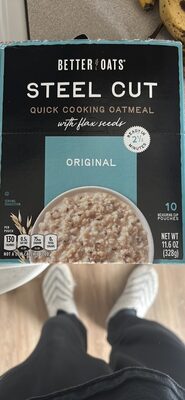
Rolled or steel-cut oats you cook without sweetener are Tier A/B with fiber you control. Instant flavored packets frequently match Tier D or E cereals. If morning time is the constraint, batch plain oats or choose one ready-to-eat box from this list and treat portions as weekly data, not unlimited refill.

How fresh are the numbers in the table and product cards?

Each product page shows when we last checked the label. Manufacturers reformulate. If the box in your hand disagrees with our page, trust the Nutrition Facts panel on that box.

Does milk or yogurt in the bowl count toward the AHA 25g added-sugar day?

Plain milk adds lactose (total sugar, not added). Chocolate milk, presweetened yogurt, and syrup stir-ins add added sugar that stacks on top of cereal grams. The AHA ceiling applies to added sugar only for children ages 2–18; under age 2 the same statement recommends avoiding added sugar entirely.

Updated: 2026-09-24How we rate snacks →